China Top 10 3 Phase Brushless DC Motor Suppliers?
China has become a major sourcing base for the 3 Phase Brushless Dc Motor market. Its suppliers serve robotics, electric vehicles, pumps, fans, medical equipment, and factory automation. Yet a polished catalog does not always indicate dependable production. Real performance appears during testing, installation, and long operating cycles.
This introduction presents ten notable Chinese suppliers for buyers comparing technical capability, manufacturing experience, and service reliability. The review considers power range, rated voltage, torque stability, efficiency, noise control, thermal protection, and available Hall sensors. It also examines production certifications, sample support, customization, and export communication. These details matter when a motor must run continuously beside a hot machine or inside a dust-prone cabinet.
Supplier selection should remain practical. Ask for test curves, winding specifications, IP ratings, and lifecycle data. Request a sample before approving bulk production. Check whether the quoted torque applies at the required speed. Small wording differences can hide major performance gaps. That is easy to miss.
The ranking is not absolute. Product lines change, factory capacity fluctuates, and public information may be incomplete. Some suppliers excel at standard motors, while others perform better with custom shafts, controllers, or compact housings. A stronger evaluation combines supplier documents, independent verification, and hands-on testing. Buyers should also confirm lead times, warranty terms, spare-part access, and after-sales response. The best supplier is not always the largest. It is the one that consistently matches the motor’s operating conditions, compliance needs, and long-term maintenance plan.
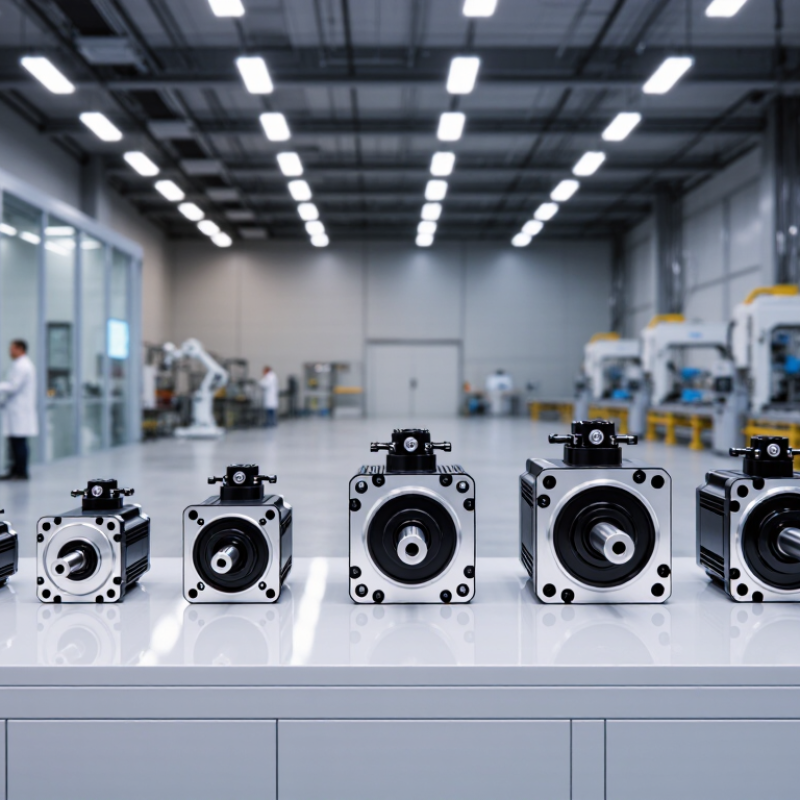
Three-Phase Brushless DC Motors: Definition, Structure, and Applications
Three-phase brushless DC motors are compact electric machines that use electronic commutation instead of mechanical brushes. Their rotor usually contains permanent magnets, while the stator carries three-phase windings. A controller switches current through these windings in sequence. This creates a rotating magnetic field and steady rotor movement. Hall sensors or sensorless control can identify rotor position. The design reduces brush wear, electrical noise, and routine maintenance. However, performance depends heavily on controller tuning, winding quality, and heat management.
In practical equipment, these motors drive pumps, cooling fans, conveyors, medical devices, robots, and automated tools. Their high torque-to-size ratio suits machines with limited installation space. They also provide accurate speed control under changing loads. During selection, engineers should check voltage, rated torque, peak torque, speed range, duty cycle, and operating temperature. A motor that looks powerful on paper may overheat in a sealed enclosure. That detail is easy to miss. Testing under real load remains more reliable than relying only on catalog data.
Tips: Match the motor with its controller, encoder, and power supply. Leave enough thermal space around the housing. Listen for abnormal vibration during trial operation. If startup is unstable, review phase wiring and position feedback before increasing current. Supplier evaluation should include test records, dimensional drawings, tolerance data, and after-sales technical support. Cost matters, but inconsistent batches can create higher maintenance expenses. In my experience, the “best” supplier is not always the cheapest or the most advertised. Specification clarity is often the stronger sign of reliability.
Criteria for Evaluating Chinese BLDC Motor Suppliers
When comparing China’s top 10 three-phase BLDC motor suppliers, evaluate evidence rather than impressive product pages. Check torque curves, rated voltage, speed range, efficiency, noise, and thermal performance. Ask for test reports linked to specific motor models. A reliable supplier should explain winding choices, magnet grades, bearing life, and controller compatibility in clear technical language. Vague answers deserve attention.
Request production samples before approving a large order. Measure starting torque, temperature rise, vibration, and current under realistic loads. Inspect the stator, rotor balance, connectors, and insulation finish. Factory experience also matters. Review quality procedures, traceability records, sample approval methods, and delivery history. A polished website can still mislead. Even experienced buyers may overlook small connector changes between samples and mass production.
Tips: Compare identical specifications. Confirm tolerances in writing. Ask how failures are analyzed and corrected. Check warranty limits, replacement procedures, packaging, and communication speed. Short answers help. Cost should not dominate the decision; unstable performance can create expensive redesigns, field returns, and delayed installations. Supplier evaluation is never perfectly objective, so record both measured results and unresolved concerns before choosing a partner.
China Top 10 3 Phase Brushless DC Motor Suppliers? - Criteria for Evaluating Chinese BLDC Motor Suppliers
Anonymized supplier comparison based on engineering capability, product range, quality systems, customization support, compliance documentation, and delivery performance.
Profiles of China’s Top 10 Three-Phase BLDC Motor Suppliers
China’s top 10 three-phase BLDC motor suppliers reflect a broad manufacturing base. Their strengths range from appliance drives and cooling fans to robotics, pumps, and light electric vehicles. MarketsandMarkets estimates that the global BLDC motor market could grow from about USD 21 billion in 2023 to over USD 31 billion by 2028. That growth increases demand for efficient, compact, and controllable motor systems.
The leading supplier profiles usually share several practical features. One focuses on high-volume household appliances, offering stable winding quality and automated testing. Another serves industrial equipment, with higher torque, reinforced bearings, and IP-rated housings. Several specialize in customized shaft sizes, Hall sensors, and controller matching.
Export-oriented manufacturers often provide ISO-certified production, sample testing, and documented efficiency curves. A few concentrate on automotive auxiliary systems, where vibration control and thermal endurance matter more than low purchase price. Small-batch flexibility is also valuable.
In supplier comparisons, rated voltage alone is not enough. Engineers should check continuous torque, peak current, rotor balance, noise levels, and thermal rise. Independent testing remains important. Reports from Grand View Research and Fortune Business Insights identify efficiency and automation as major market drivers, but their forecasts use different market boundaries. That difference deserves attention. The ranking is not perfectly objective. A supplier with excellent prototypes may lack global service coverage, while a large factory may offer less customization. Buyers should verify production records, inspection data, and after-sales response before selecting a long-term partner.
Comparison of Product Range, Performance, Certifications, and Services
China Top 10 3 Phase Brushless DC Motor Suppliers?
Comparing China’s top suppliers requires more than counting catalog pages. Product range matters because applications vary widely. A supplier may offer compact motors for pumps, high-torque units for automation, and waterproof models for outdoor equipment. Check rated voltage, speed range, torque curves, shaft options, and controller compatibility. Some catalogs look impressive, but customization depth can be limited.
Performance data should come from practical testing, not only laboratory claims. Review efficiency at partial load, temperature rise, vibration, noise, and continuous-duty capability. Ask for test reports using conditions close to your application. A motor reaching peak efficiency at one narrow speed may perform poorly in real machinery. That detail is easy to miss.
Certifications also deserve careful verification. Request current certificates, test scopes, and model references for quality, electromagnetic compatibility, and environmental requirements. Service quality can decide long-term cost. Evaluate sample lead times, engineering communication, spare-part availability, warranty handling, and technical documentation. Clear drawings and wiring diagrams save valuable installation time. Factory audits, video inspections, and reference projects add useful evidence. Still, this comparison is not flawless. Supplier data may change, and service promises need written confirmation. A careful buyer should test samples before placing volume orders.
How to Select the Right Chinese BLDC Motor Supplier
Choosing among China’s top 10 three-phase BLDC motor suppliers requires more than comparing catalog prices. The right supplier should match your load profile, voltage, speed range, and cooling method. Ask for measured torque-speed curves, not marketing estimates. A polished sample can still mislead.
Motor efficiency deserves serious attention. The U.S. Department of Energy’s 2021 Motor Systems Market Assessment reports that motor systems consume about 68% of industrial electricity in the United States. Request efficiency data at 25%, 50%, and 100% load. Check winding resistance, rotor balance, bearing life, Hall-sensor accuracy, and temperature rise. These details reveal engineering depth. Small omissions matter.
Audit the supplier’s production controls. Look for incoming-material inspection, automated winding checks, dynamic balancing, end-of-line testing, and serial-number traceability. ISO 9001 certification helps, but it does not prove consistent motor performance. Require samples from normal production, then repeat testing after thermal cycling. Also review IP ratings and insulation-class evidence for your operating environment. Some suppliers answer quickly but provide incomplete test records. That is a warning, not a minor inconvenience. The International Energy Agency reported nearly 14 million electric cars sold globally in 2023, showing how rapidly efficient motor systems are expanding. Still, volume does not guarantee quality. A supplier that documents failures honestly may be more reliable than one presenting only perfect results.
How to Select the Right Chinese 3-Phase BLDC Motor Supplier
Recommended procurement weighting for comparing suppliers without relying on brand names
Use this normalized 100-point framework to compare suppliers. Prioritize verified motor performance, quality control, customization capability, delivery reliability, and after-sales support.





