Top 10 Spicy Hot Pot Operating Fees for Global Buyers
Opening a spicy hot pot restaurant involves more than buying cookware and choosing a popular broth. Global buyers must understand how daily operations, local regulations, labor markets, and supply chains shape real expenses. This guide examines the Top 10 Spicy Hot Pot Operating Fees that commonly affect international restaurant projects. It focuses on practical costs, not attractive but incomplete startup estimates.
Spicy Hot Pot Operating Fees may include rent, staff wages, utilities, ingredients, kitchen maintenance, licenses, insurance, delivery platforms, waste disposal, and marketing. Each category can change sharply between cities. A busy commercial district may bring stronger sales, but its rent and service charges can consume margins quickly. Imported chili, spices, and specialty equipment may also face shipping delays or customs-related costs. Local sourcing can reduce pressure, although flavor consistency may become harder to control.
The guide uses realistic operating questions. How many staff members are needed during a weekend dinner? How much electricity does an induction table use across eight hours? Can refrigeration support fresh meat, seafood, vegetables, and prepared sauces safely? These details matter.
Small assumptions become expensive.
Cost figures should be treated as planning ranges, not promises. Exchange rates move. Wage rules change. Utility bills can surprise even experienced operators. Some estimates may remain imperfect because local supplier quotes are unavailable. That limitation deserves attention, not concealment. Buyers should verify every figure with accountants, equipment suppliers, landlords, insurers, and relevant authorities before signing contracts. Careful comparison can improve budgeting, protect food quality, and support a more reliable global hot pot operation.
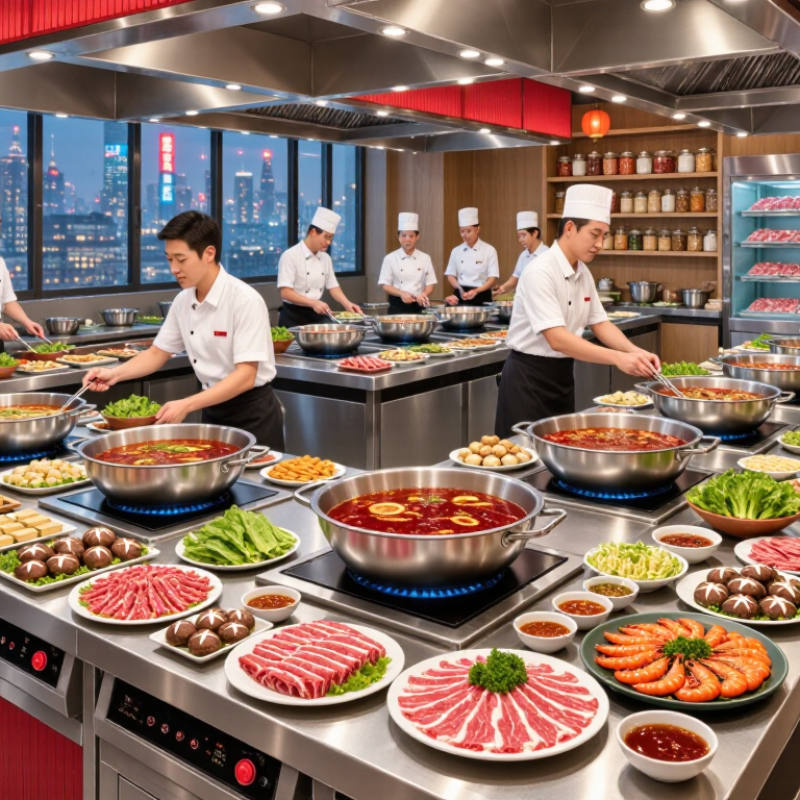
Understanding Spicy Hot Pot Operating Fees in Global Markets
Top 10 Spicy Hot Pot Operating Fees for Global Buyers
Understanding Spicy Hot Pot Operating Fees in Global Markets
For global buyers, spicy hot pot operating fees are not one fixed number. They form a monthly cost system. The ten main areas include rent, labor, utilities, ingredients, equipment maintenance, cleaning, delivery, payment processing, insurance, and local permits. In my experience, rent and staff wages often dominate urban budgets. Electricity also rises with induction cookers, refrigeration, and ventilation. A small dining room may reduce ingredient waste, but it still needs dependable cold storage. Costs hide in small details.
Regional comparison matters. Import charges, warehouse distance, exchange rates, and local service prices can change the final budget. A cooker priced well at the factory may become expensive after freight, installation, and maintenance. Buyers should request a landed-cost estimate, not only a product quotation. Seasonal demand also affects labor scheduling and ingredient purchases. I once underestimated replacement-part delays, which disrupted operations for several days. That mistake still deserves review.
Tips: Separate fixed and variable fees in a spreadsheet. Track electricity weekly during the first three months. Ask suppliers about spare parts, warranty coverage, and service response times. Keep a currency buffer for international payments. Check local permit and safety requirements with qualified professionals. Estimates are useful, but real invoices reveal more.
Identifying the Top Ten Cost Categories for Hot Pot Buyers
Top 10 Spicy Hot Pot Operating Fees for Global Buyers
Identifying the Top Ten Cost Categories for Hot Pot Buyers
Global hot pot buyers often budget for the product, then overlook the operating fees around it. In procurement reviews, I track ingredient cost, packaging, inland transport, export documentation, freight, cargo insurance, customs duties, warehouse handling, local delivery, and payment charges. These ten categories can change the landed cost more than expected.
A practical example is a frozen shipment moving through a busy port. A few extra storage days may create cold-chain handling fees and spoilage risk. Freight prices also vary by season, container space, and destination. Buyers should request itemized quotations, confirm temperature requirements, and compare customs estimates with an experienced broker. Small details matter.
Regulatory checks deserve separate attention. Import permits, food labeling reviews, laboratory testing, and inspection fees may apply in the destination market. These costs are not always visible in the supplier’s first offer. Keep invoices, transport records, and product specifications together. It improves audit readiness and supports reliable forecasting.
Some estimates will still be wrong.
I have seen buyers underestimate payment conversion charges and local delivery surcharges. Others assume every warehouse offers the same handling conditions. That assumption can fail quickly. A useful cost sheet should include a contingency allowance, but the percentage needs regular review. Historical shipment data is more dependable than a fixed guess.
Calculating Equipment, Ingredients, Labor, and Utility Expenses
Top 10 Spicy Hot Pot Operating Fees for Global Buyers
Equipment spending starts with induction burners, stock pots, exhaust hoods, refrigeration, tables, sinks, and fire-safety systems. Installation can cost as much as the equipment itself. Freight, import duties, electrical conversion, ventilation upgrades, and local inspections also affect the landed price. A 12-table outlet may require several refrigeration units and dozens of heating stations. My first budget missed spare parts and voltage differences. That mistake changed the opening estimate.
Ingredient costs include soup bases, spices, meat, seafood, vegetables, sauces, noodles, and disposable items. Industry benchmarks often place food costs near 28% to 35% of sales, but seafood-heavy menus can exceed that range. The USDA’s Food Price Outlook shows continuing food-price movement, so buyers should model monthly changes instead of using one fixed quotation. Waste deserves attention. Overfilled trays become silent losses. Record daily yield, damaged stock, and unsold portions.
Labor includes cooks, servers, cleaners, managers, payroll taxes, training, uniforms, and overtime. The National Restaurant Association’s 2024 State of the Restaurant Industry report identifies labor and operating costs as major challenges while projecting U.S. restaurant sales above one trillion dollars. Utilities include electricity, gas, water, heating, cooling, and waste removal. ENERGY STAR reports that restaurants can use five to seven times more energy per square foot than other commercial buildings. A burner left on during slow hours matters. Maintenance, insurance, software, licenses, delivery fees, and payment charges complete the operating picture. Use local quotes. Recheck every assumption.
Top 10 Spicy Hot Pot Operating Fees for Global Buyers
Estimated monthly operating costs for a 100-seat spicy hot pot restaurant, shown in USD.
This planning benchmark includes food ingredients, labor, rent, utilities, equipment depreciation or leasing, and other recurring expenses. The model assumes 26 operating days per month in a mid-sized urban market. Equipment costs are converted into a monthly equivalent, while actual fees will vary by country, rent level, staffing model, import duties, and utility prices.
Comparing Operating Fees Across Regions and Business Models
Top 10 Spicy Hot Pot Operating Fees for Global Buyers
Comparing Operating Fees Across Regions and Business Models
A spicy hot pot outlet usually carries ten major operating fees: rent, labor, ingredients, energy, ventilation, fit-out depreciation, licenses, insurance, maintenance, and delivery commissions. Their ranking changes by region and format. A 250-square-meter urban dine-in restaurant may pay heavily for rent and labor. A smaller takeaway kitchen may spend more on delivery commissions and packaging.
The National Restaurant Association’s 2024 industry report places food and non-alcohol beverage costs near 32% of sales for full-service restaurants. Labor costs also approach the mid-30% range. These figures provide a useful benchmark, not a universal budget. In major Asian cities, rent can dominate the first-year cash requirement. In parts of Europe and North America, wages, utilities, and compliance-related maintenance often create greater pressure. Energy matters more for hot pot than many restaurant models, because induction units, ventilation, refrigeration, and water heating operate continuously.
Business model changes the fee structure. Company-owned stores absorb full staffing, training, and equipment costs. Franchise-style models may reduce market-entry work but add royalties, technology charges, and purchasing restrictions. I would reserve at least 8% to 12% of sales for repairs, local marketing, and unexpected downtime, although this estimate is imperfect. The U.S. Energy Information Administration reports that commercial electricity prices vary substantially by state, so imported equipment may not produce predictable savings. Buyers should test rent, labor, utility, and commission assumptions using local invoices, not generic global averages.
Top 10 Spicy Hot Pot Operating Fees for Global Buyers - Comparing Operating Fees Across Regions and Business Models
Comparative monthly operating-cost benchmarks for a typical 120–180 m² spicy hot pot restaurant. Figures are estimated USD equivalents and exclude initial construction, equipment purchases, financing, taxes, owner salary, and food cost.
| Rank | Region / Market Type | Business Model | Typical Seating | Estimated Monthly Sales | Rent & Occupancy | Labor | Utilities | Marketing, Delivery & Other Fees | Total Operating Fees | Operating Fees as % of Sales |
| 1 | Singapore — Prime Urban District | Full-service dine-in | 70–90 seats | $105,000–$145,000 | $22,000–$35,000 | $28,000–$40,000 | $4,000–$6,000 | $9,000–$14,000 | $63,000–$95,000 | 54%–65% |
| 2 | United States — Major Metropolitan Area | Independent dine-in restaurant | 80–110 seats | $120,000–$180,000 | $18,000–$32,000 | $32,000–$48,000 | $5,000–$8,000 | $10,000–$16,000 | $65,000–$104,000 | 54%–58% |
| 3 | Hong Kong — High-Rent Commercial Area | Compact full-service format | 55–75 seats | $95,000–$140,000 | $24,000–$42,000 | $22,000–$32,000 | $3,500–$5,500 | $7,000–$12,000 | $56,500–$91,500 | 59%–65% |
| 4 | Australia — Major City Suburban Area | Independent dine-in restaurant | 70–100 seats | $105,000–$155,000 | $14,000–$24,000 | $30,000–$44,000 | $4,500–$7,000 | $8,000–$13,000 | $56,500–$88,000 | 54%–57% |
| 5 | United Kingdom — Large City | Street-front dine-in format | 60–90 seats | $90,000–$135,000 | $13,000–$23,000 | $25,000–$38,000 | $4,000–$6,500 | $7,000–$12,000 | $49,000–$79,500 | 54%–59% |
| 6 | Canada — Major Urban Market | Full-service dine-in restaurant | 70–100 seats | $95,000–$145,000 | $12,000–$22,000 | $25,000–$38,000 | $4,000–$6,500 | $7,000–$12,000 | $48,000–$78,500 | 51%–54% |
| 7 | Mainland China — Tier-1 City | High-turnover dine-in model | 90–130 seats | $100,000–$175,000 | $10,000–$22,000 | $16,000–$28,000 | $3,000–$5,000 | $6,000–$11,000 | $35,000–$66,000 | 35%–38% |
| 8 | United Arab Emirates — Major Commercial District | Mall or lifestyle-center unit | 70–100 seats | $90,000–$145,000 | $13,000–$25,000 | $15,000–$25,000 | $4,000–$7,000 | $7,000–$13,000 | $39,000–$70,000 | 43%–48% |
| 9 | Thailand — Bangkok Urban Area | Mid-market dine-in restaurant | 70–110 seats | $55,000–$95,000 | $7,000–$15,000 | $10,000–$18,000 | $2,500–$4,500 | $4,500–$8,000 | $24,000–$45,500 | 44%–48% |
| 10 | Indonesia — Jakarta Urban Area | Dine-in and delivery hybrid | 50–80 seats | $38,000–$70,000 | $5,000–$12,000 | $7,000–$14,000 | $1,800–$3,500 | $3,500–$7,000 | $17,300–$36,500 | 46%–52% |
Calculation basis: Total operating fees include rent and occupancy, payroll, utilities, cleaning, routine maintenance, payment processing, digital ordering or delivery commissions, local marketing, insurance, software, and administrative expenses. Actual costs vary with location, lease structure, staffing level, menu pricing, service charge policy, and business hours.
Evaluating Total Costs for Purchasing and Opening a Hot Pot Restaurant
Top 10 Spicy Hot Pot Operating Fees for Global Buyers
Purchasing a hot pot restaurant involves more than buying cookers and tables. Global buyers should price ten major cost groups: property deposits, rent, renovation, ventilation, cooking equipment, furniture, permits, freight, staffing, and working capital. Add utilities, insurance, maintenance, food storage, payment systems, and local marketing. The final bill often changes after site inspection. That is uncomfortable, but normal.
The National Restaurant Association’s 2024 State of the Restaurant Industry report valued U.S. restaurant sales at over $1 trillion. It also highlighted continuing pressure from labor and food costs. BLS consumer price data showed food-away-from-home prices rising by about 4% in 2024. These figures are not hot pot quotations, but they provide useful planning signals. A soup-heavy menu also needs stronger extraction, drainage, refrigeration, and cleaning capacity. Cheap equipment may create expensive repairs later.
Import freight deserves separate attention. Customs classification, port handling, inland delivery, and installation can alter the landed cost sharply. Energy estimates should use local tariffs and peak-hour rates. My early budgets were too optimistic because I treated rent as the main expense. In practice, labor scheduling and ventilation often surprised me more. Buyers should test three scenarios: conservative sales, delayed opening, and higher food inflation. Some assumptions will be wrong. Review them monthly.





