Top 10 Skylight Window Manufacturers in the World
A Skylight Window is more than a pane in the roof. It shapes daylight, views, heat gain, and the feel of a room. For buyers, architects, and contractors, the manufacturer matters because frame design, glazing options, weather seals, and installation support can affect long-term performance.
The stakes extend beyond appearance. The 2024 Global Status Report for Buildings and Construction, published by UNEP and GlobalABC, estimates that buildings and construction account for 32% of global energy demand and 34% of energy-related carbon dioxide emissions. These figures describe the wider built environment, not skylights alone. Still, they show why daylighting and thermal performance deserve careful attention. A skylight’s results depend on climate, orientation, shading, glazing, and installation—not just the product label.
Architect Louis Kahn, known for his thoughtful use of natural light, observed, “The sun never knew how great it was until it struck the side of a building.” His words offer a useful lens for evaluating roof windows. But no product can guarantee good light in every room.
This Top 10 guide compares manufacturers by product range, design, performance information, and market presence. Rankings are imperfect. Public data is not consistent across every company, and regional availability can change. Treat the list as a starting point, then check local specifications, warranties, and installer expertise before choosing.
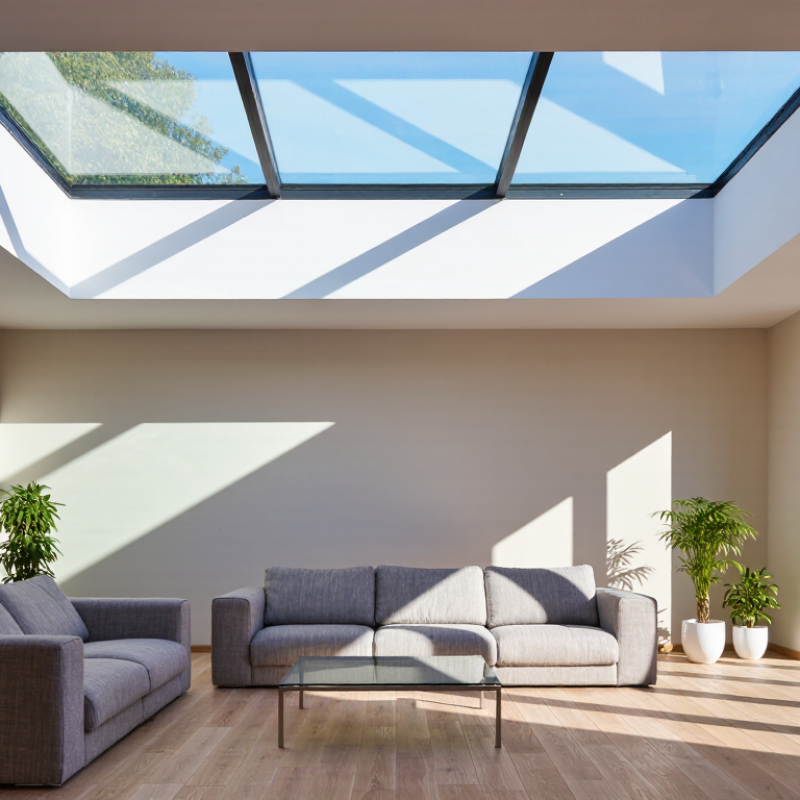
What Skylight Windows Are and How They Work
A skylight window brings daylight through a roof opening, directing light deeper into a room than many wall windows can. Its main parts are a glazed panel, a supporting frame, weather seals, and flashing that channels rainwater away from the roof joint. Many units use double glazing with an insulating gap to reduce heat transfer. Some include a low-emissivity coating, which can limit unwanted heat while still admitting visible light. On a bright afternoon, that can mean a sunlit patch across the floor. Small changes matter.
Fixed skylights admit light but do not provide ventilation. Operable models can release warm air through a manually or electrically controlled sash. Their usefulness depends on placement, room layout, and the home’s ventilation plan; opening one does not guarantee fresh air will circulate evenly. Glazing angle and orientation also affect glare and solar heat, so a sunny roof may need shading. Installation is equally important: flashing must suit the roof material and pitch, while the surrounding insulation and air seal help limit leaks and condensation. Product specifications can look reassuring, but they cannot account for every roof condition. A careful site assessment is still needed, and even good planning may involve trade-offs between daylight, heat gain, and views.
Criteria for Comparing Skylight Window Manufacturers
Comparing skylight manufacturers requires more than checking glass type or frame material. The National Fenestration Rating Council’s labels report U-factor and solar heat gain coefficient (SHGC), useful measures of heat transfer and solar gain. A lower U-factor generally means less heat flow, while a suitable SHGC depends on climate, roof orientation, and shading. Details matter.
The U.S. Department of Energy’s Energy Saver guidance estimates that heat gain and loss through residential windows account for 25–30% of household heating and cooling energy use. That figure covers windows broadly, not skylights alone, but it shows why efficiency data deserves close attention.
Compare documented air- and water-penetration test results, installation instructions, replacement-glass availability, and warranty terms. Roof openings face wind-driven rain. Flashing guidance and installer support deserve as much scrutiny as frame samples. I would not judge a manufacturer by U-factor alone; even a well-rated unit can perform poorly if the curb or flashing is installed incorrectly. That detail is easy to miss.
Top 10 Skylight Window Manufacturers in the World
Choosing among the world’s leading skylight window manufacturers requires more than comparing catalog photos. A roof opening must manage daylight, rain, heat, and indoor comfort at once. Details matter. Look for clear information on glazing options, frame materials, flashing systems, and tested air and water tightness. These specifications help buyers compare products without relying on appearance alone.
Installation compatibility is equally important. A well-made unit can still leak if its curb, roof pitch, or flashing does not suit the building. Ask whether technical drawings, replacement parts, and installation guidance are available in your region.
A south-facing glass unit may need solar-control glazing, while a shaded stairwell may benefit from a larger clear opening. Climate and orientation change the answer.
A useful top-ten comparison should consider product range, documented performance, service access, and support for local installers. Warranty terms deserve careful reading; coverage can depend on correct installation and maintenance. A ranking can look more precise than it really is. Manufacturers operate in different climates and markets, and published data is not always directly comparable. Not always. Checking these practical points gives architects and homeowners a more reliable starting point than choosing by reputation alone.
Products, Technologies, and Design Approaches
Skylight manufacturers differ less by glass shape than by how they manage heat, water, and daylight together. Fixed units suit bright stairwells; operable models can release warm air near a roof peak. Low-emissivity glazing, insulated frames, and carefully placed flashing help limit heat loss and leaks. Small details matter. A poorly drained curb can undermine an otherwise impressive product.
The International Energy Agency’s 2023 Global Status Report for Buildings and Construction puts buildings and construction at about 34% of global energy demand and 37% of energy-related carbon emissions in 2022. Those figures cover a broad sector, not skylights alone. Still, they explain why manufacturers now emphasize thermal performance, solar control, and durable seals. Product comparisons should examine tested U-values and solar heat-gain ratings, not just glass area or appearance.
Design approaches vary with climate and roof geometry. A south-facing skylight may need exterior shading; a shaded northern roof may benefit more from clear glazing. Daylight modelling can show where light reaches the floor, rather than merely the ceiling. But simulations depend on assumptions. I would still check the room at different times of day. Condensation resistance, replacement-glass availability, and installation instructions also reveal how thoughtfully a product was engineered. A sleek frame is not enough.
How to Choose a Skylight Window Manufacturer
Choosing a skylight manufacturer starts with the roof, not the brochure. Match the unit to your roof pitch, framing depth, climate, and room use. A bathroom needs reliable moisture control; a south-facing living room may need stronger solar-heat protection. Details matter.
Compare certified performance data for the exact size and glazing you plan to buy. The U.S. Department of Energy’s Energy Saver guidance estimates that windows account for 25–30% of residential heating and cooling energy use. Skylights are not identical to ordinary windows, but the figure shows why thermal performance deserves attention. Review NFRC-rated U-factor and solar heat gain coefficient, plus air-leakage and condensation information. Ask for proof. A low price means little if the tested configuration differs from your order.
Check how the manufacturer supports installation: clear flashing instructions, compatible accessories, replacement parts, and a written warranty with understandable exclusions. Ask how water intrusion claims are assessed and who handles technical questions after delivery. Then speak with installers who have fitted similar units on comparable roofs. Their feedback can reveal awkward details, such as difficult-to-reach fasteners. I would not treat one installer’s opinion as decisive; local experience can be limited. Compare several views, and verify claims against test documents before choosing.
ENERGY STAR Skylight U-Factor Limits by U.S. Climate Zone
A lower U-factor means less heat transfer through the skylight. Use the limit for your climate zone as one point of comparison when evaluating manufacturers, and check the product’s certified ratings. ENERGY STAR also sets solar heat gain requirements for some zones; these U-factor limits alone do not determine eligibility.
Source: ENERGY STAR Residential Windows, Doors, and Skylights Version 7.0 criteria. Values shown are maximum U-factors (Btu/h·ft²·°F).





