


Introduction: The Role of Silicone Additives in Polymer Processing
Silicone additives are widely used as processing aids and functional modifiers in polymer manufacturing to regulate melt behavior, improve surface properties, and enhance processing stability under high-throughput production conditions.
In thermoplastic processing environments such as extrusion, injection molding, film blowing, and compounding, polymers are often subjected to high shear stress and elevated temperatures. These conditions can lead to common processing challenges, including unstable melt flow, surface defects (such as melt fracture and sharkskin), die build-up, and inconsistent product quality.
Silicone additives are engineered to address these interfacial and rheological limitations by reducing polymer–metal friction, improving lubrication at the melt interface, and stabilizing flow behavior during processing. As a result, they contribute to more efficient production operations and more consistent final-product performance.
They are widely applied across major polymer systems, including polyolefins (PE, PP, LLDPE, HDPE, EVA), PVC compounds, thermoplastic elastomers (TPE, TPU, TPO, TPV), and engineering plastics (ABS, PC, PA/Nylon, PBT, PET, PPS, POM, and PMMA).
From a processing standpoint, silicone additives are used in extrusion, injection molding, film blowing, and compounding processes, where they help stabilize melt rheology, reduce interfacial friction, and minimize surface- and die-related defects under continuous or high-speed operating conditions.
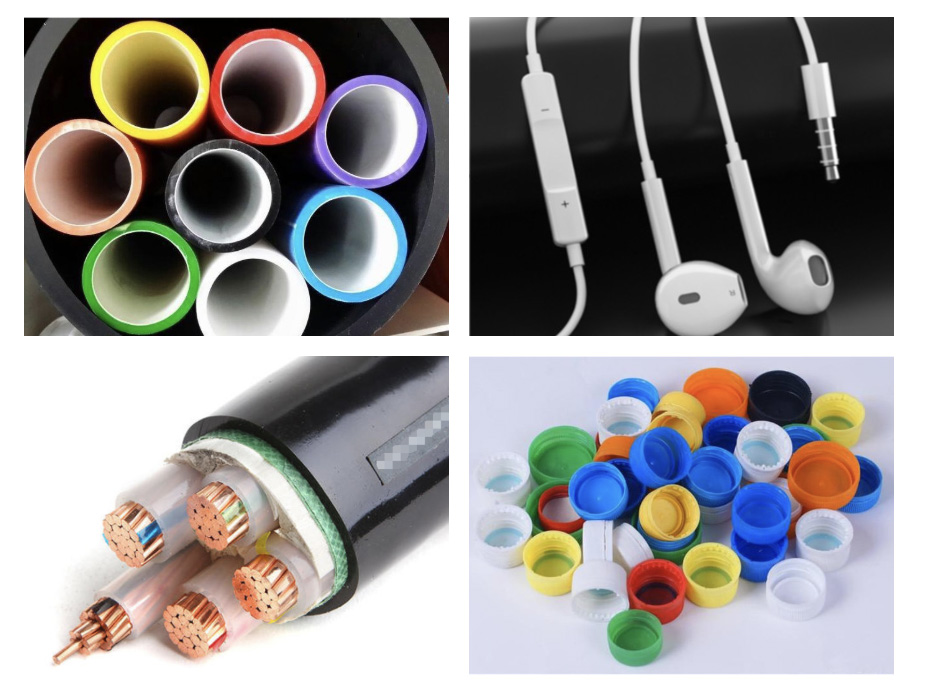
End-use applications include wire and cable systems, automotive interior components, footwear materials, pipes, flexible packaging, coatings, paints, fibers, and a wide range of engineered and modified plastic products.
With increasing industry emphasis on higher productivity, tighter quality control, reduced scrap rates, and improved material sustainability, silicone additives are no longer viewed as simple processing aids. Instead, they are increasingly integrated as functional formulation components within polymer system design, contributing directly to both processing efficiency and final-product performance.
As a result, silicone additive manufacturers have become key technology partners throughout the global polymer value chain.
This article highlights the top 10 silicone additive manufacturers worldwide, helping processors identify leading suppliers, technologies, and solutions for polymer processing applications.
What Are Silicone Additives?
Silicone additives—also referred to as silicone-based additives, siloxane additives, or polysiloxane additives—are functional processing aids and performance-enhancing materials typically based on polydimethylsiloxane (PDMS) or modified organosilicon compounds.
They are incorporated at relatively low concentrations (typically 0.1–5%) to improve processability, surface characteristics, and long-term product durability.
Key Performance Functions
• Reducing melt friction and improving flow behavior
• Preventing surface defects such as melt fracture and sharkskin
• Reducing die build-up and minimizing equipment fouling
• Enhancing surface smoothness and tactile properties
• Improving production stability and throughput
Core Chemistry of Silicone Additives
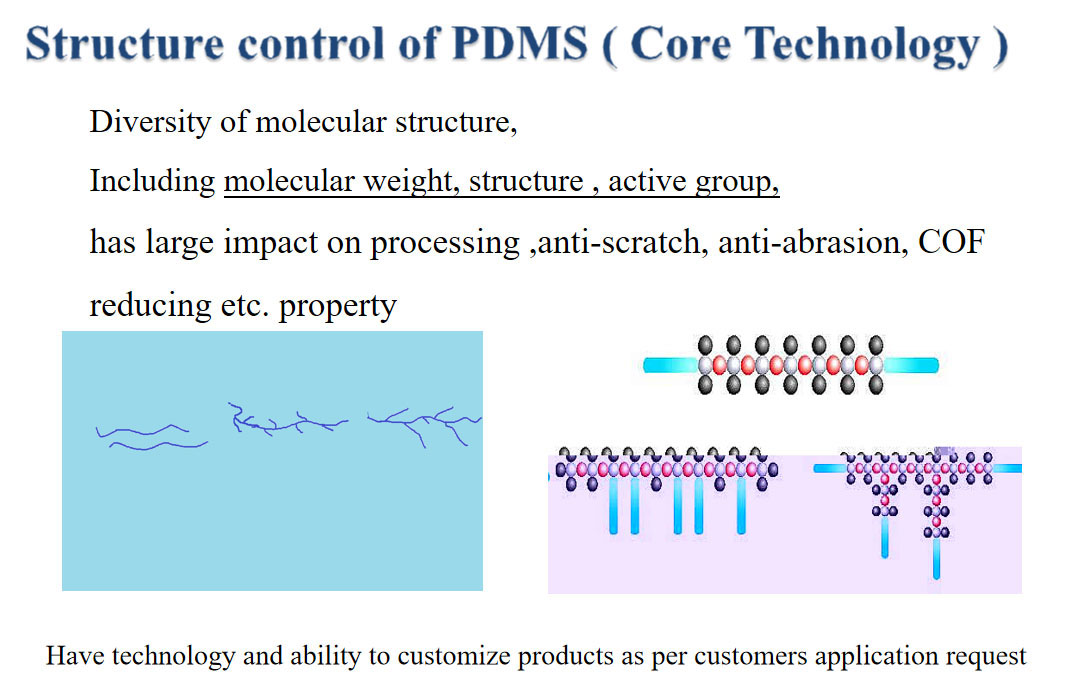
The performance of silicone additives originates from their flexible silicon–oxygen (Si–O) backbone, often functionalized with organic side groups such as methyl.
This unique molecular structure provides:
• Low surface tension for superior lubrication
• High thermal and oxidative stability under demanding processing conditions
• Hydrophobicity that helps protect polymer surfaces from moisture
• Excellent slip and lubricity, reducing shear stress during extrusion and molding
• Chemical inertness and flexibility, enabling compatibility with a wide range of polymers
Types of Modern Silicone Additives
Silicone additives are engineered to meet specific performance requirements depending on molecular weight, functional groups, and polymer architecture. Common industrial forms include silicone fluids (oils), siloxanes, polyether-modified silicones, silicone resins, silicone masterbatches, and silicone powders.
1. Silicone Masterbatch
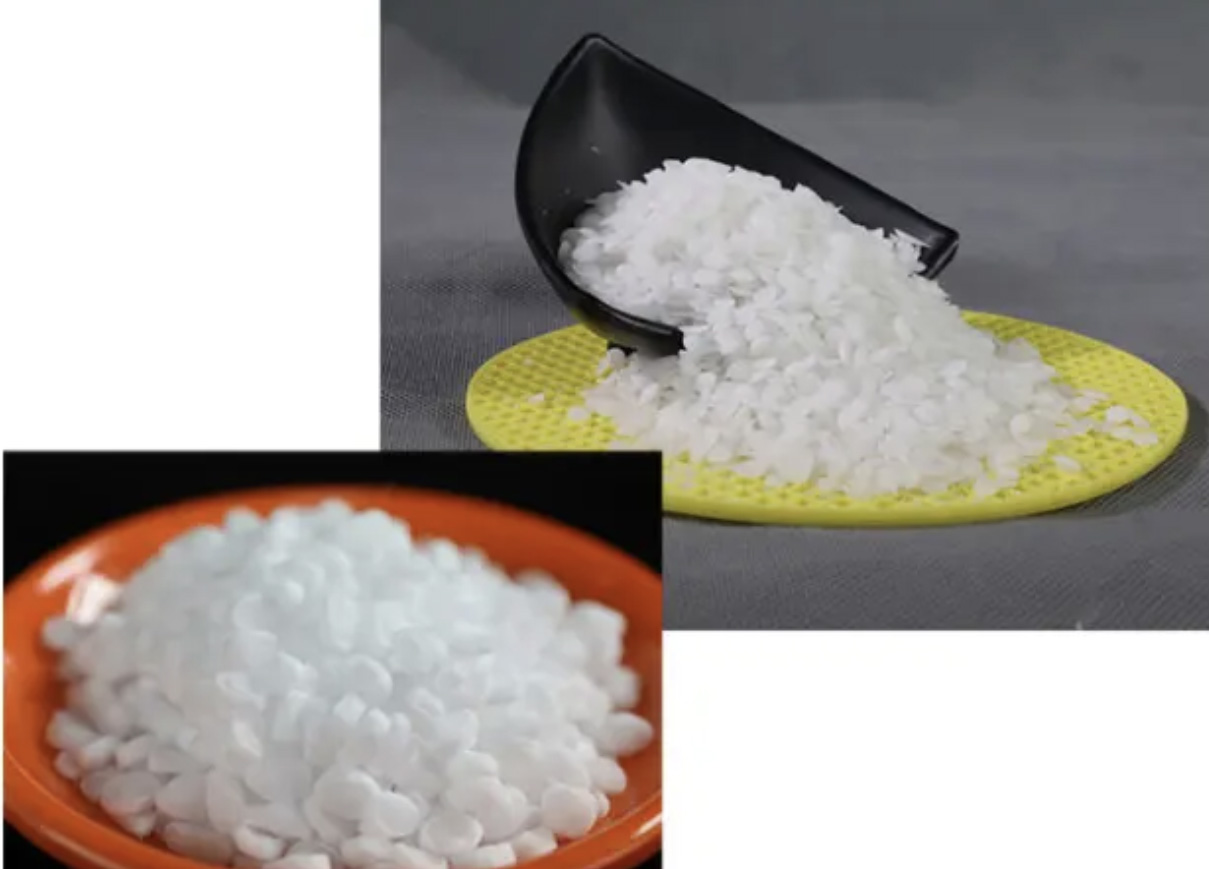
Silicone masterbatch is a premium pelletized formulation widely used in the polymer industry. The state-of-the-art technology relies on dispersing ultra-high molecular weight (UHMW) siloxane polymers into various thermoplastic carriers (including polyolefins, engineering plastics, and thermoplastic elastomers). Delivered in standard pellet form, it allows clean, precise dosing directly into the thermoplastic matrix during compounding, extrusion, or injection molding. Unlike traditional waxes, fatty acid amides, or low-molecular-weight oils, UHMW silicone masterbatches provide superior surface slippage and mold release while effectively avoiding processing defects like screw slippage.
2. Silicone Fluids (PDMS)
Silicone Fluids (PDMS) are low-to-medium molecular weight, linear, non-reactive silicones characterized by a repetitive silicon-oxygen (-Si-O-) backbone with methyl side groups. In polymer processing, they function primarily as temporary physical processing aids and external lubricants. Due to their high molecular mobility and lack of chemical bonding with the host polymer matrix, they lower melt viscosity and torque but are highly prone to migration, leading to surface exudation, screw slippage, and subsequent paint or printing adhesion failures.
3. Functional Organosilicone Additives
Functional Organosilicone Additives are chemically, or organo-modified silicone copolymers that incorporate reactive or polar functional groups (such as epoxy, amino, carboxy, vinyl, or polyether segments) into the siloxane backbone or chain ends. Unlike conventional PDMS, these additives are molecularly engineered to act as interfacial modifiers and reactive compatibilizers. They reduce interfacial tension and enhance phase adhesion between incompatible components, making them essential for upgrading engineering plastics, boosting the performance of recycled/PCR polymers, and improving filler wetting and dispersion (e.g., halogen-free flame retardants, glass fibers) in multi-component polymer systems.
4. Silicone Powders
Silicone Powders are free-flowing, solid, particulate silicone formulations, often comprised of ultra-high molecular weight (UHMW) siloxane polymers anchored in an inorganic silica core, or three-dimensional spherical silicone resins (e.g., polymethylsilsesquioxane). Engineered as permanent performance modifiers, they are compounded into thermoplastics to provide long-lasting surface enhancements—such as permanent scratch and wear resistance, stable reduction in the Coefficient of Friction (COF), and anti-blocking features—without compromising the substrate's mechanical properties or post-processing paintability.
What Defines a Leading Silicone Additives Manufacturer?
In the global polymer industry, leading suppliers are defined not only by the breadth of their product portfolios but also by their ability to deliver measurable processing improvements and long-term application value.
Key capabilities include:
• Advanced siloxane chemistry design (PDMS, UHMW silicone, and functional organosilicones)
• Stable dispersion technologies (masterbatch, powder, and fluid systems)
• Application engineering expertise for extrusion, film blowing, compounding, and injection molding
• Compatibility with recycled polymers and engineering plastics
• Consistent performance under high-speed processing conditions
• Strong R&D and technical service support
• Sustainable solutions, including PFAS-free processing technologies
Top 10 Silicone Additives Manufacturers Shaping Modern Polymer Performance
In the highly competitive polymer compounding and plastics manufacturing sectors, choosing the right polymer modifier is the deciding factor in optimizing extrusion throughput, mastering surface cosmetics, and preserving critical mechanical properties. Silicone-based additives & modifiers have transitioned from optional process aids to indispensable structural modifiers. The following matrix provides a high-level comparative overview of the top 10 global silicone additive manufacturers, cross-referencing their foundational chemical specialties with their primary industrial value drivers.
| Manufacturer | Foundational Headquarters | Primary Chemical Profile / Core Competency |
| Dow Inc. | United States | Ultra-high-molecular-weight siloxanes, fluids, and masterbatches. |
| Wacker Chemie AG | Germany | Advanced organo-functional silicones, standard powders, and gums. |
| Shin-Etsu Chemical | Japan | Precision silicone fluids, custom pellets, and specialized crosslinkers. |
| Evonik Industries | Germany | Interface-active organo-modified siloxanes & liquid processing aids. |
| Momentive Performance Materials | United States | High-molecular-weight silicone resins, rubbers, and fluid systems. |
| Elkem Silicones | France / China | Formulated siloxane masterbatches, release coatings, and gum bases. |
| Milliken & Company | United States | Specializes in polymer-bound silicone and clarifying technologies. |
| Clariant | Switzerland | Silicone-wax hybrids and non-migrating functional masterbatches. |
| Croda International | United Kingdom | High-performance slip additives, organic-silicone hybrids, and modifiers. |
| Chengdu SILIKE Technology Co., Ltd. | China | Silicone-based processing aids, surface modifiers, PFAS-free PPAs, and thermoplastic silicone elastomer (Si-TPV) systems |
Deep-Dive Profile: Chengdu SILIKE Technology Co., Ltd.
1. Foundational Expertise & Enterprise Scale
Chengdu SILIKE Technology Co., Ltd. is a specialized manufacturer focused on silicone-based polymer additives and thermoplastic silicone elastomers (Si-TPV), with over 20 years of experience in silicone–polymer material development and industrial application.
As a recognized High-tech Enterprise, Chengdu Key New Material Enterprise, and Provincial Enterprise Technology Center, SILIKE has established a strong position in advanced polymer modification. The company integrates material development, formulation engineering, and application support to serve global polymer processing industries.
With in-house R&D capabilities and application-driven development expertise, SILIKE focuses on designing silicone-based solutions compatible with modern high-efficiency compounding and processing systems, supporting stable industrial-scale production and consistent material performance.
2. Silicone Additives & Functional Material Portfolio
SILIKE maintains a comprehensive portfolio of silicone-based additives and functional materials designed to address processing, surface, rheological, and performance requirements in polymer systems.
The portfolio includes:
• Processing aids: silicone masterbatches, silicone powders, silicone gums, linear silicone fluids, and polydimethylsiloxane (PDMS) oils. These materials function as internal and external lubricants that improve melt flow behavior, reduce processing friction, and enhance extrusion stability under high-shear conditions, contributing to lower torque demand (15%–30%), reduced energy consumption, and improved die cleanliness.
• Surface and functional additives: anti-scratch masterbatch and anti-wear additives, non-migrating slip and anti-blocking masterbatches, and anti-squeaking solutions that reduce stick-slip friction and improve acoustic performance in dynamic applications.
• Functional modifiers: copolysiloxane-based additives, silicone dispersants, matte-effect masterbatches, and silicone waxes.
• Eco-friendly, skin-friendly elastomer: Si-TPV (dynamic vulcanized thermoplastic silicone elastomers), combining silicone-like softness with thermoplastic processability and recyclability.
These material systems are designed to support improvements in processing efficiency, help stabilize friction behavior, and enhance surface durability in filled and high-demand polymer systems. Non-migrating systems help maintain more controlled surface friction while reducing risks associated with blooming and surface contamination.
In response to evolving environmental requirements, SILIKE also provides PFAS-free and fluorine-free processing solutions, including processing aids (PPA), to support regulatory-compliant polymer processing in polyolefin and related systems.
3. Target Industrial Applications & B2B Value Creation
SILIKE's comprehensive silicone additives portfolio and technical expertise enable tailored solutions for complex polymer applications, including:
• Automotive interiors
• Wire and cable
• Footwear
• Pipes and ducts
• Plastic films, WPCs, fiber, and monofilament extrusion
• Functional and color masterbatches, flame retardant materials, and coatings
• Consumer electronics, overmolding, leather, and high-end upholstery
• 3D printing, AI humanoid, and bionic robotics
• Sustainable polymer solutions
Guided by the philosophy "Innovating Silicone, Empowering New Values," SILIKE supports manufacturers in improving processing efficiency, surface quality, durability, and tactile performance through application-driven silicone solutions.
By combining material science expertise with industrial processing know-how, SILIKE delivers reliable and scalable solutions for modern polymer processing challenges across global manufacturing value chains.
Conclusion
Silicone additives are critical enablers of modern polymer processing, allowing manufacturers to produce high-quality, less defective products efficiently. The top 10 manufacturers highlighted above represent the global leaders in material science, application expertise, and production solutions, offering processors reliable pathways to enhanced efficiency, improved surface quality, durability,and sustainable polymer solutions.
Among them, specialized solution providers like SILIKE play an increasingly important role in delivering application-focused, cost-effective, and high-performance silicone additive systems for today's demanding polymer industries.
For more detailed information regarding advanced polymer processing formulations, technical data sheets, and comprehensive product portfolios, please visit the official corporate portal at https://www.siliketech.com/


