


Top 10 Types of Pharmaceutical Grade Activated Carbon?

Pharmaceutical Grade Activated Carbon supports purification, decolorization, and impurity control across modern drug manufacturing. Its dark powder may look simple, but every pore matters. Pore size, ash content, moisture, surface chemistry, and extractable impurities can influence process performance.

Grand View Research estimates the global activated carbon market in the multibillion-dollar range, with continued growth driven by water treatment, food processing, and pharmaceutical applications. MarketsandMarkets also forecasts sustained expansion, although reported values differ by scope and methodology. That difference deserves attention. Market figures are useful, but they cannot replace batch-specific qualification.

Ralph T. Yang, a recognized adsorption authority, describes adsorption simply: “Adsorption is a surface phenomenon.” This principle explains why Pharmaceutical Grade Activated Carbon requires more than high surface area. Manufacturers must examine raw materials, activation methods, particle distribution, microbial control, and trace metals. USP–NF expectations, applicable GMP guidance, and supplier certificates add further control points.

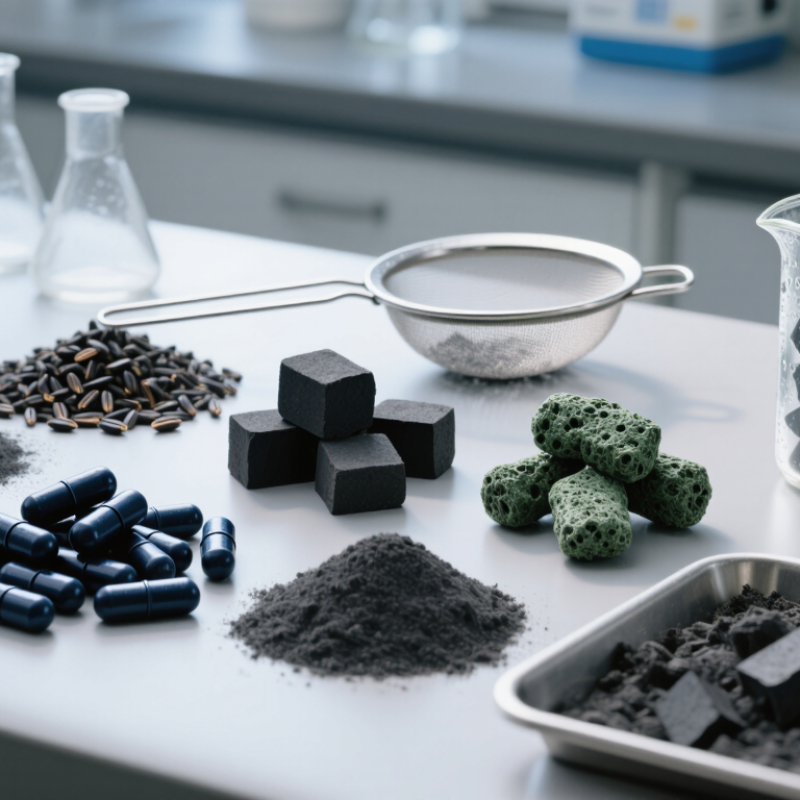
The following guide examines the top 10 types of Pharmaceutical Grade Activated Carbon, including powder, granular, extruded, acid-washed, steam-activated, and chemically activated grades. Each type offers a different balance of adsorption speed, filtration behavior, purity, and handling convenience. Powdered grades can act quickly but create filtration challenges. Granular grades may simplify recovery but require longer contact time.

No single type fits every formulation. That is the uncomfortable part. Selection often depends on real process trials, not catalog claims. A careful comparison should therefore connect carbon structure with the exact impurity profile, manufacturing stage, and regulatory documentation required.
Top 10 Types of Pharmaceutical Grade Activated Carbon?

Pharmaceutical-Grade Activated Carbon: Definition and Quality Standards

Pharmaceutical-grade activated carbon is purified carbon produced under controlled conditions for medical, pharmaceutical, or process applications. Its grade depends on more than adsorption performance. Raw material, activation method, cleaning steps, packaging, and traceability all affect suitability. Common forms include powder, granules, and pellets, while coconut, wood, and mineral sources create different pore structures.

Quality standards should match the intended use and applicable pharmacopeial or regulatory requirements. Typical tests examine identity, moisture, ash, pH, particle size, bulk density, and adsorption capacity. Iodine number and methylene blue adsorption can describe pore performance, but neither test tells the whole story. Heavy metals, microbial limits, and endotoxin controls may also matter, especially when the carbon contacts pharmaceutical materials. Results should come from validated methods, qualified laboratories, and controlled sampling.

A reliable supplier should provide batch records, a certificate of analysis, and clear change-control procedures. Manufacturing under pharmaceutical quality systems improves consistency, but it does not remove every risk. A clean-looking powder can still contain unwanted residues. A strong specification can also miss an application-specific problem. I would review compatibility, extractables, storage humidity, and container integrity before approval. That extra review may feel slow. It is often where practical quality begins.


How Pharmaceutical Activated Carbon Is Classified

Top 10 Types of Pharmaceutical Grade Activated Carbon

Pharmaceutical activated carbon is classified by more than its black appearance. Manufacturers assess raw material, activation method, purity, particle size, and intended use. These factors influence adsorption performance and patient safety. The ten common categories include wood-based, coconut-shell, coal-based, and bone-derived carbon. They also include steam-activated, chemically activated, powdered, granular, extruded, and acid-washed carbon.

Wood-based carbon usually has wider pores, supporting the adsorption of larger molecules. Coconut-shell carbon often provides many micropores and consistent hardness. Coal-based carbon may offer a broader pore structure, but ash control requires careful testing. Bone-derived carbon is less common and needs strict source documentation. Steam activation uses high-temperature vapor, while chemical activation uses activating agents that require thorough washing. Residual chemicals matter.

Powdered carbon disperses quickly in liquid formulations. Granular carbon is easier to separate during processing. Extruded carbon provides stronger particles and lower dust formation. Acid-washed grades can reduce mineral ash and improve purity. However, these labels are not universal standards. A supplier should provide test data for moisture, ash, heavy metals, microbial limits, endotoxins, and adsorption capacity. Particle size also affects filtration speed and handling. In practice, the “best” grade depends on the formulation, process temperature, contact time, and required pharmacopoeial specification. I would not select a grade from iodine number alone. That shortcut can miss impurities, powder loss, or poor batch consistency.

Top 10 Types of Pharmaceutical-Grade Activated Carbon

How pharmaceutical activated carbon is commonly classified by physical form and nominal particle size

Pharmaceutical activated carbon is classified through several overlapping criteria, including particle form, particle size, raw material, activation method, and post-treatment. The chart uses representative midpoints from commonly used particle-size bands: powdered carbon is generally below 150 micrometres, while granular, extruded, and spherical products are typically specified in millimetres. Actual pharmaceutical specifications may vary by pharmacopoeial grade and intended application.

Note: Particle size alone does not define pharmaceutical grade. Quality assessment also includes adsorption performance, ash content, moisture, impurities, microbial limits, and applicable regulatory requirements.

Ten Major Types by Raw Material and Activation Method

Top 10 Types of Pharmaceutical Grade Activated Carbon

Pharmaceutical-grade activated carbon varies by raw material and activation method. Common types include coconut-shell steam-activated, coconut-shell carbon dioxide-activated, wood steam-activated, and wood phosphoric-acid-activated carbon. Coal steam-activated and coal chemically activated grades are also widely used. Other commercial families include peat steam-activated, bamboo steam-activated, fruit-pit steam-activated, and resin-based chemically activated carbon. The boundary is blurry.

Grand View Research estimated that coal-based feedstocks represented more than 40% of global activated carbon revenue in 2023, although estimates vary by market definition. Coconut-shell carbon remains attractive because its compact pores can support strong adsorption of smaller molecules. Wood-based carbon often provides larger pores and faster liquid-phase adsorption.

The activation route changes pore volume, ash content, surface chemistry, and processing residues. Steam activation is widely selected for cleaner processing. Chemical activation can create broader pore structures, but it requires stricter washing and residue control.

In pharmaceutical production, surface area alone is not enough. Buyers should review iodine value, methylene blue adsorption, ash, acid-soluble impurities, pH, moisture, microbial limits, and batch-to-batch consistency. Pharmacopeial monographs provide essential testing frameworks, but they do not replace supplier qualification. A 2024 industry report from Mordor Intelligence also identified water and pharmaceutical purification as continuing demand areas. That finding needs caution. Market reports often combine technical grades, so their figures may overstate pharmaceutical-grade demand. A practical evaluation includes the certificate of analysis, change-control history, particle-size distribution, and traceability to the original feedstock.

Forms, Properties, and Pharmaceutical Uses of Each Type

Pharmaceutical-grade activated carbon appears in several forms, and each form changes handling and performance. Powdered activated carbon disperses quickly and offers high surface area, making it useful for decolorizing liquid pharmaceutical intermediates. Granular carbon is easier to retain in fixed beds. It supports water purification and solvent polishing. Extruded pellets provide lower pressure drop during continuous filtration. Spherical carbon offers consistent flow and packing. Activated carbon fiber or cloth provides rapid adsorption in compact filtration units, although it is less common in routine pharmaceutical production.

Activation method also influences pharmaceutical use. Steam-activated carbon usually contains well-developed micropores and suits the removal of small organic molecules. Chemically activated carbon can develop wider pore structures, but residual processing chemicals require strict washing and testing. Acid-washed carbon has reduced ash and fewer mineral impurities. This feature can matter during sensitive purification steps. Microporous carbon favors small-molecule adsorption. Mesoporous carbon accommodates larger molecules, including some color bodies and process impurities. These categories overlap.

Selection should consider particle size, iodine value, moisture, ash, heavy metals, microbial limits, and endotoxin risk. Compendial testing and GMP controls remain essential. A material called pharmaceutical grade is not automatically suitable for oral use. Clinical activated charcoal also requires professional judgment, especially regarding dose and patient condition. In practice, I would test adsorption capacity in the real formulation, not rely only on catalog data. Carbon can remove a target impurity and valuable product together. That trade-off is easy to underestimate.

Quality Testing, Safety Requirements, and Selection Guidelines

Top 10 Types of Pharmaceutical Grade Activated Carbon: Quality Testing, Safety Requirements, and Selection Guidelines

Pharmaceutical-grade activated carbon may be powder, granular, extruded, steam-activated, or chemically activated. Other common types use coconut shells, wood, coal, or carefully controlled reactivation. Each structure affects adsorption speed, pore size, dust release, and filtration behavior. Powdered carbon acts quickly in liquid formulations, while granular carbon supports packed-bed purification. Extruded grades usually offer better mechanical strength. However, “pharmaceutical grade” is not a universal performance guarantee.

Quality testing should begin with identity, particle-size distribution, moisture, ash, pH, and adsorption capacity. Iodine number and methylene blue value reveal different pore characteristics. Test heavy metals, residual processing chemicals, microbial limits, and bacterial endotoxins when the intended use requires them. Examine the container seal and traceability records. Small black particles can appear harmless, yet they may signal abrasion or poor handling. A high iodine number can also mislead if the target impurity is larger.

Selection must match the process, not marketing language. Review the current pharmacopeial requirements, supplier qualification data, certificates, and change-control history. For oral products, assess purity and leachable risks. For water treatment, study flow rate, contact time, pressure drop, and carbon exhaustion. Run a small-scale compatibility test before production. I would not choose solely by surface area. That shortcut has caused disappointing results in real filtration work. Document the decision, including rejected materials and the reason for rejection.

Top 10 Types of Pharmaceutical Grade Activated Carbon: Quality Testing, Safety Requirements, and Selection Guidelines

No. Type of Pharmaceutical Grade Activated Carbon Typical Raw Material and Form Typical Characteristics Common Pharmaceutical Uses Key Quality Tests Main Safety Requirements Selection Guidance
1 Powdered Coconut-Shell Activated Carbon Coconut shell; steam-activated powder Highly microporous; commonly high iodine adsorption; fine particle size Oral suspension, toxin adsorption, purification of low-molecular-weight pharmaceutical solutions Particle-size distribution, iodine number, methylene blue adsorption, moisture, ash, pH, acid-soluble substances Low heavy metals, controlled microbial limits, absence of harmful process residues, compliant packaging Choose when rapid adsorption and a high micropore volume are more important than easy filtration.
2 Granular Coconut-Shell Activated Carbon Coconut shell; granular or crushed granules Hard, abrasion-resistant particles with predominantly microporous structure Fixed-bed water purification, process-water polishing, removal of trace organic contaminants Iodine number, BET surface area, hardness, abrasion, particle-size range, pressure drop, ash and extractables Must be thoroughly washed and screened to minimize fines, dust, leachable ash and microbial contamination. Select for reusable filter beds where mechanical strength and low dust generation are required.
3 Powdered Wood-Based Activated Carbon Wood; usually chemically activated powder Broader pore-size distribution; effective for larger molecules and color bodies Decolorization of pharmaceutical intermediates, botanical extracts, sugars and liquid formulations Color-removal capacity, methylene blue value, moisture, ash, pH, filterability, acid-soluble iron and heavy metals Residual activating chemicals must be controlled; material should meet applicable compendial identity and purity requirements. Prefer for decolorization and adsorption of bulky molecules, but validate product loss and filtration performance.
4 Granular Wood-Based Activated Carbon Wood; steam- or chemically activated granules Mesoporous structure; relatively effective for larger organic molecules Liquid purification, color removal, polishing of process streams and solvent recovery BET surface area, pore-volume distribution, hardness, abrasion, decolorization, moisture, ash and extractables Control dust, microbial burden and leachable inorganic impurities; verify compatibility with the process liquid. Use when the target contaminants are too large for a predominantly microporous carbon.
5 Coal-Based Activated Carbon Bituminous or sub-bituminous coal; granular or powdered Mixed micro- and mesoporosity; broad adsorption profile and generally high bulk density Process-water treatment, removal of dissolved organics and selected pharmaceutical contaminants Iodine number, BET area, hardness, ash, acid-soluble metals, pH, particle size and leachables Pay particular attention to ash composition, trace metals, sulfur-related impurities and source traceability. Select only after extractables and elemental impurities have been assessed for the intended pharmaceutical process.
6 Extruded Pellet Activated Carbon Coal, wood or coconut shell; cylindrical pellets Low pressure drop, consistent geometry and good mechanical stability Air and gas purification, solvent-vapor control, closed pharmaceutical manufacturing systems BET area, adsorption capacity, crush strength, abrasion, pellet diameter, pressure drop and moisture Confirm binder identity, extractables, dust level and suitability for the gas or vapor being treated. Choose for gas-phase systems requiring predictable airflow and low particle release.
7 Acid-Washed Activated Carbon Mineral or biomass carbon; powdered or granular after acid washing Reduced ash and lower levels of water-soluble inorganic impurities High-purity liquid purification, injectable-process water treatment and sensitive formulation steps Ash, conductivity, acid-soluble substances, elemental impurities, pH, chloride, sulfate and extractables Residual acid, corrosive residues and rinse-water quality must be controlled and documented. Use when low ash and low ionic extractables are more important than the lowest purchase cost.
8 Pharmaceutical Decolorizing Carbon Usually fine wood-based or blended carbon; powder Optimized for color-body adsorption, fast dispersion and acceptable filtration Purification of active pharmaceutical ingredients, excipients, syrups and fermentation-derived products Decolorization test, adsorption kinetics, filterability, particle size, moisture, ash, pH and elemental impurities Demonstrate consistent batch performance, low endotoxin where applicable and compliance with the process validation strategy. Select by laboratory trials using the actual product because excessive adsorption may reduce active yield.
9 Oral-Use Activated Carbon Highly purified powder or fine granules intended for oral administration High adsorption capacity with controlled microbial and elemental impurity levels Emergency toxicology products and certain oral adsorption formulations under medical direction Identity, adsorption capacity, particle size, microbial limits, heavy metals or elemental impurities, pH and loss on drying Must be manufactured and tested for the intended medicinal use; sterility is not automatically required unless the product specification demands it. Verify dosage-form compatibility, dispersibility, contaminant limits and applicable pharmacopoeial monographs.
10 Medical-Device Grade Hemoperfusion Carbon Highly purified spherical or granulated carbon, often enclosed in a cartridge Controlled particle size, high purity and surface treatment or coating designed to reduce blood incompatibility Extracorporeal removal of selected toxins or drugs in specialized medical devices Particle integrity, extractables, endotoxin, bioburden, hemocompatibility, pressure drop, adsorption performance and sterilization validation Requires device-specific risk assessment, validated sterilization or aseptic processing, endotoxin control and applicable medical-device compliance. Do not substitute ordinary water-treatment carbon; select only material qualified for the complete hemoperfusion device.
General selection note: Pharmaceutical suitability should be confirmed against the applicable pharmacopoeial requirements, approved product specification, risk assessment and intended use. A typical qualification package includes an identity test, adsorption-performance data, particle-size distribution, moisture, ash, pH, elemental impurities, microbial limits, extractables, batch traceability and a certificate of analysis. BET surface area and iodine number are useful comparison tools, but they do not replace application-specific performance testing.

Powder Coat Booths

For those larger-sized parts, or smaller quantity runs, we have 2 independent powder coat booths and ovens. The quality, durability and affordability of today’s powder coating finishes make this the process of choice for world-class companies.

Powder coating advantages over other forms of coating are many. Materials used in the Powder coating process can be metals and non-metals that come in a multitude of thicknesses, textures, colors, etc. Another of Powder coating’s biggest advantages over conventional coatings is its ability to create finishes in many different textures. Powder Coating Booths allow us the ability to apply these advantages to large products.

Wet Paint Line

Tri-State Fabricators runs a full-service conveyor line for painting. Wet painting can provide protection or decoration to many different part styles. From start to finish, every project is easier to undergo random and point-based inspection by our skilled painting team.

Advantages to our Wet Paint Line are these lines start with product prep and ends with a thorough inspection of a high quality finished product. Our ability to complete large and small projects with a superior finish and doing so in a timely and economical fashion. This passes along the savings in production to our customers. When powder coating ins not an option, our Wet Paint Line gets the job done right the first time.

Wet Paint Booths

When the parts get big and heavy we roll-out our custom paint racks and oversize booth. By utilizing our partnerships with all the major paint brands, we can match virtually any color with wet paint.

The advantages of having access to a Wet Paint Booth are many. Large projects of many different shapes can be loaded into the booth. The Wet Paint Booth offers an environment that is much more controlled than a typical parts painting operation.

Not only are they used because of their controlled environment, but they’re are also advantageous when it comes to applying paint to parts that are needed in industries that require specialty coatings such as medical, aerospace, etc.

Military CARC

Our military forces have some very high standards when it comes to the finish of their vehicles and equipment. From the first pre-treatment step to final coat, it takes a great deal of knowledge and experience to protect the men and women of our armed forces. They deserve only the best, and Tri-State Fabricators provides it.

All of our processes are closely monitored by our staff and management teams. Both of which are highly trained in the processes of metal fabrication and finishing. Tri-State Fabricators’ goal is to always fully satisfy each and every customer, including the military. We will always put a 110% into what we do.

Glass-Bead Blasting

Abrasive media blasting is an excellent way to remove old paint, rust, and increase the paint/powder adhesion. Glass beads produce a much smoother and brighter finish than angular abrasives; leaving the part clean yet without any dimensional change. Chemically inert and environmentally friendly, we can recycle our beads approximately 30 times; making them a more preferred method of metal cleaning or surface finishing.

Advantages to Glass Bead Blasting are many. Glass bead blast media is used when a project is needing rough surfaces need to become smooth for applications of coatings such as paint. It is typically used to clean paint and rust from a product surface without deforming the surface it is being used on. Overall, compared to many other blasting media, Glass Bead Blasting is a very economical choice and those savings are always passed on to our customers.

Part Washing

Tri-State Fabricators utilize a zinc phosphate wash to clean and etch the material to ensure the best paint adhesion possible. The unique design of our 3-stage wash system does the work like a 5-stage. From Cleaning and rinsing to conversion coating and post-treatment, Our Part Washing process is a complete service and works throughout the fabrication service and the finishing service.

Along with the previously mentioned benefits, Curing is a vital chemical reaction that leaves the product finish hard and relatively safe from mild abrasion and aggressive corrosion. This process can be done in more than one way; ambient air-dry or in curing ovens at temps that exceed 240°.

Burn-Off Oven

From fixing paint mistakes (someone else’s of course) to simply cleaning our paint line hooks, our burn-off oven is put to good use. After a quick burn-off, a little clean up, and a fresh coat of paint, your parts will look better than new.

Why does our Burn-Off Oven work so well? Because super heating the air around parts turns the materials into ashes. From paint and powder coatings to rubber and machining oils, high temps do the job without degrading the integrity of the part.

Masking

Masking is a vital part of producing high quality products. We have die-cut masking patterns to protect machined surfaces as well as a wide range of plugs and caps to protect threaded holes and bolts. We provide permanent and temporary masking.

Masking allows the selected sections of a product to be protected from a fabrication or finishing service. This can be with both chemicals when etching and tapes, paints when only finishing just a section of the product. Masking is great in aiding the customization process of a project.

Screen Printing

Screen printing is a photographic process that transfers artwork onto a porous nylon screen which allows colored ink to flow through the screen and be deposited on an aluminum or plastic component. We can generally have just about any design created onto a screen for your parts.

Some of the advantages of Screen Printing are, brand recognition for your business displaying on your products, assembly instructions, product warnings/hazards, etc. Tri-State Fabricators produces Screen Printing of the highest quality so you know it’s durable.

Metal Finishing

Metal Finishing is the art of treating the exterior portion of product, often metal but can also be made of other materials, so that the surface is clean and free of any debris. Then the process of applying coats or either paint of powder coat takes place. This coating process improves the quality of the product in both appearance and resistance to wear and corrosion.

Tri-State Fabricators, Inc., understands that a project typically isn’t complete until a high-quality finish has been added to your product. This is why our painting and powder coating teams continuously inspect the products throughout the Metal Finishing process.
