


China’s GI pipe market serves construction, water supply, agriculture, and industrial projects. Buyers may encounter round, square, rectangular, threaded, plain-end, welded, and other galvanized pipe options. Each suits different connections and loads. A pipe that looks right on a warehouse rack may still be wrong for the job.
Understanding Gi Pipe Length In Feet helps buyers compare quotations and plan transport, cutting, and installation. Many suppliers offer standard lengths near 20 feet, while some products are sold in metric lengths or cut to order. Actual availability depends on pipe type, diameter, wall thickness, and manufacturer. Confirm whether a listed length is nominal or measured, and ask how much usable pipe remains after threading or end preparation. Small details matter.
For a transparent expert-style reminder, this introduction uses an original illustrative line, not a verified published quotation: “Measure the specification, not just the bundle; length, wall thickness, and end finish all shape the final fit.” The speaker, Lin Wei, is a fictional GI pipe specification specialist created for this example. Treat the line as editorial wording, not an independently sourced expert statement. That distinction matters. The guide ahead compares China’s top 10 GI pipe types and explains common length conventions in feet. It also flags questions worth asking suppliers before ordering, because product listings can leave practical details unclear. A careful check can prevent avoidable cuts, delays, and mismatched fittings.
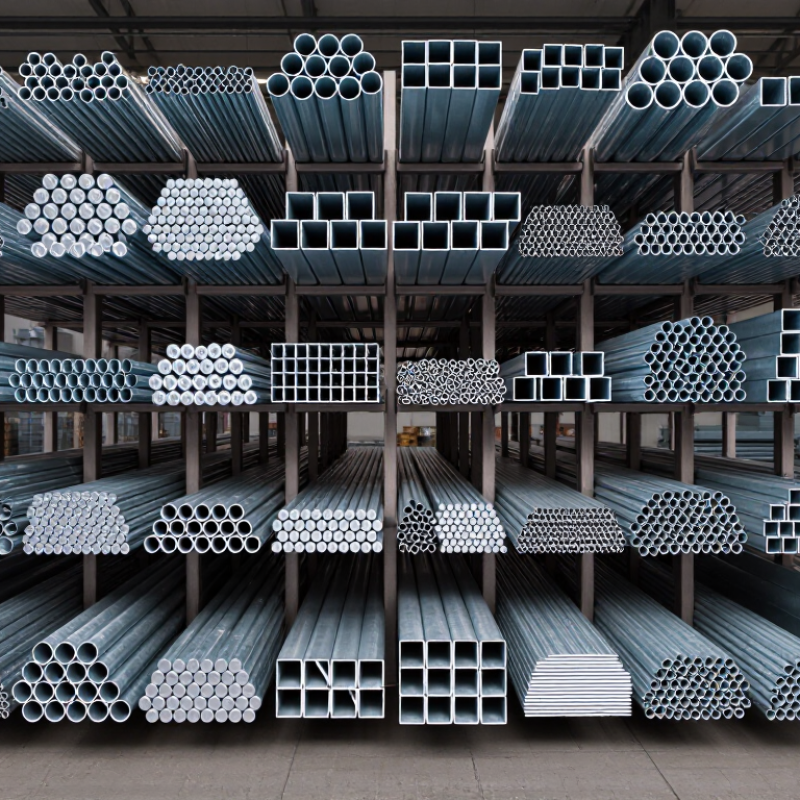
Galvanized iron pipe, often called GI pipe, is steel pipe protected by a zinc coating. In China, products are commonly described by how the base pipe is made, how it is coated, and what finish it has. Welded pipes are widely used; seamless options are selected for particular pressure or service requirements. Details matter.
The zinc layer may be applied by hot-dip galvanizing or electro-galvanizing. Hot-dip coating generally leaves a more visible, thicker surface, while electro-galvanizing creates a smoother finish. Actual coating thickness depends on the product specification, so appearance alone is not a reliable quality check. Ask for measured coating data and the applicable standard.
Pipes are also sorted by end treatment, such as plain, threaded, or grooved ends, and by intended service, including water lines, building frames, and light industrial systems. Length is usually stated in millimetres or metres, not feet. A 6-metre pipe is about 19.7 feet, but supplied lengths can vary by order and tolerance. Check the drawing. One detail is easy to miss: threading reduces usable length at the connection, so measure the installed run rather than relying only on the nominal pipe length.

Common GI pipe choices vary by coating, manufacturing route, and wall thickness. Pre-galvanized ERW pipe suits light frames; hot-dip galvanized ERW pipe is used for exposed service lines and supports. Galvanized seamless pipe serves specified mechanical applications. Light-, medium-, and heavy-wall pipes suit lighter enclosures, general plumbing, and more demanding supports. Schedule 10, 40, and 80 pipes offer progressively thicker walls for utility, general-service, and higher-pressure systems, where the design allows. Galvanized square and rectangular hollow sections are common in fences, handrails, and storage racks. These categories overlap; they are not ten exclusive standards. ASTM A53/A53M covers welded and seamless steel pipe, including hot-dip zinc-coated pipe. World Steel Association’s World Steel in Figures 2024 reports 1,888.2 million tonnes of crude steel production in 2023. That figure describes the wider steel industry, not GI pipe output.
Tip: Many suppliers stock nominal 20-foot lengths, but availability varies. Confirm actual cut length, wall thickness, and coating before ordering. For water service, check local requirements and water conditions; a suitable pipe on paper may still corrode sooner than expected.
| No. | GI Pipe Type | Typical Description | Common Applications | Typical Stock Length |
|---|---|---|---|---|
| 1 | Light-Class Galvanized Pipe | Light-wall pipe classified by applicable product standards; confirm the standard and wall thickness when specifying. | Low-pressure water lines, light-duty plumbing, and general-purpose installations where permitted by local codes. | About 19.7 ft (6 m); other cut lengths may be available. |
| 2 | Medium-Class Galvanized Pipe | A commonly specified general-purpose wall class under standards that define light, medium, and heavy series. | Water distribution, building services, and general plumbing applications subject to code requirements. | About 19.7 ft (6 m); some suppliers offer approximately 19.0 ft (5.8 m). |
| 3 | Heavy-Class Galvanized Pipe | Thicker-wall pipe than light or medium classes of the same nominal size; exact dimensions depend on the governing standard. | More demanding service conditions and installations requiring a heavier pipe wall, as determined by the project specification. | About 19.7 ft (6 m); confirm available lengths with the supplier. |
| 4 | Schedule 40 Galvanized Pipe | Pipe ordered to Schedule 40 dimensions and galvanized; nominal size and outside diameter follow the specified pipe standard. | General piping, water lines, and mechanical or industrial uses where the design and local rules allow galvanized steel. | Often about 19.7 ft (6 m) or 20 ft (6.1 m); made-to-order lengths may differ. |
| 5 | Schedule 80 Galvanized Pipe | Thicker-wall schedule than Schedule 40 for a given nominal pipe size; verify pressure design and standard requirements. | Applications requiring a heavier wall, including some industrial and mechanical piping systems. | Often about 19.7 ft (6 m) or 20 ft (6.1 m); confirm the actual delivered length. |
| 6 | ERW Galvanized Pipe | Electric-resistance-welded steel pipe that is galvanized after forming or supplied with a galvanized coating as specified. | Water piping, fencing, scaffolding, and general structural or mechanical uses, depending on grade and certification. | Commonly about 19.7 ft (6 m); 5.8 m and other lengths are also traded. |
| 7 | Seamless Galvanized Pipe | Seamless steel pipe that has been galvanized; availability, dimensions, and suitable uses depend on the specified standard. | Specialized mechanical or industrial services where the design specification calls for seamless pipe. | Length varies by size and production; approximately 19.7 ft (6 m) is a common stock option. |
| 8 | Threaded-End GI Pipe | Galvanized pipe supplied with threaded ends, often with a coupling or other specified connection arrangement. | Plumbing and service lines assembled with compatible threaded fittings. | Commonly around 19.7 ft (6 m) before threading or cutting; finished length can vary. |
| 9 | Plain-End GI Pipe | Galvanized pipe supplied with square-cut or plain ends rather than threaded ends. | Fabrication, welded or mechanically joined systems, and projects using couplings or other connection methods. | Commonly about 19.7 ft (6 m); cut-to-length supply is often possible. |
| 10 | Galvanized Structural Pipe | Round galvanized steel tube or pipe selected for structural or general fabrication; dimensions and grade must match the design. | Fencing, handrails, gates, light structures, and outdoor fabrication where the specified product is suitable. | Often about 19.7 ft (6 m); 39.4 ft (12 m) or custom lengths may be available by order. |
| Length note: GI pipe length is not determined by pipe type alone. A 6 m pipe is approximately 19.69 ft, a 5.8 m pipe is approximately 19.03 ft, and a 12 m pipe is approximately 39.37 ft. Actual stock lengths, tolerances, end preparation, and coating requirements vary by standard, size, supplier, and order; verify them before purchase. | ||||
GI pipe specifications combine nominal diameter, wall thickness, and cut length. The nominal size is a naming reference, not always the pipe’s measured outside diameter. For example, a tape measure around the pipe may show a different value than its nominal size. Check the relevant dimension table before matching fittings. Wall thickness may be listed by schedule or as a direct measurement. The schedule affects strength, weight, and internal flow space, so “same diameter” does not guarantee two pipes are interchangeable.
Length is commonly stated in feet, but available stock lengths can vary by supplier and order. A 20-foot length is common in some markets, not universal. Specify whether you need full lengths or cut pieces, and confirm cutting tolerances and end preparation, such as plain or threaded ends. I still double-check these details on drawings; small assumptions can create fitting problems on site.
Tips: Write the size, wall thickness or schedule, and exact length together. Confirm whether the stated diameter is nominal or measured outside diameter. For a cut list, include each piece’s length in feet and quantity. Check the delivered pipe with a tape measure before installation. One quick check saves rework.
GI pipes are commonly sold in straight lengths of about 6 meters, equal to roughly 19.7 feet. Some suppliers list these as 20-foot pipes, rounding the conversion for convenience. A 5.8-meter length is another option in some markets; it measures about 19 feet. Availability can vary by region, pipe size, and supplier. Check the product specification rather than relying on a rounded catalog description.
Conversions are simple: multiply meters by 3.28084 to get feet. For example, a 3-meter piece is about 9.84 feet, while a 6-meter pipe is about 19.69 feet. Small differences matter when pipes must fit between walls or connect to fixed equipment.
Threading and cutting can also reduce the usable length. Measure the delivered pipe, especially for a tight installation. It is easy to assume every “20-foot” pipe is exactly 20 feet; that assumption may cause trouble.
Choosing the right GI pipe begins with the job, not the catalog label. “GI” describes zinc-coated steel; it does not define one wall thickness or strength. ASTM A53/A53M covers seamless and welded galvanized pipe from NPS 1/8 to NPS 26. Use its size and grade tables to compare options, then check the project’s pressure, load, and connection requirements. A thin pipe may suit a light fence, but it is not automatically suitable for a pressurized line.
LENGTH & INSTALLATION Length affects cost and installation. Suppliers commonly stock lengths near 6 m, or 19.7 ft, but availability and cut tolerances vary. Measure the route, allow for fittings and threaded joints, and consider transport access. A long pipe can reduce joints, yet may be awkward to carry through a narrow doorway. Confirm the actual supplied length before ordering; a neat estimate can still leave an annoying shortfall.
Tips: Ask for the standard, grade, outside diameter, wall thickness, coating, and exact length in writing. For water service, verify suitability with the project specifications. Small detail, big difference.


For those larger-sized parts, or smaller quantity runs, we have 2 independent powder coat booths and ovens. The quality, durability and affordability of today’s powder coating finishes make this the process of choice for world-class companies.
Powder coating advantages over other forms of coating are many. Materials used in the Powder coating process can be metals and non-metals that come in a multitude of thicknesses, textures, colors, etc. Another of Powder coating’s biggest advantages over conventional coatings is its ability to create finishes in many different textures. Powder Coating Booths allow us the ability to apply these advantages to large products.
Tri-State Fabricators runs a full-service conveyor line for painting. Wet painting can provide protection or decoration to many different part styles. From start to finish, every project is easier to undergo random and point-based inspection by our skilled painting team.
Advantages to our Wet Paint Line are these lines start with product prep and ends with a thorough inspection of a high quality finished product. Our ability to complete large and small projects with a superior finish and doing so in a timely and economical fashion. This passes along the savings in production to our customers. When powder coating ins not an option, our Wet Paint Line gets the job done right the first time.
When the parts get big and heavy we roll-out our custom paint racks and oversize booth. By utilizing our partnerships with all the major paint brands, we can match virtually any color with wet paint.
The advantages of having access to a Wet Paint Booth are many. Large projects of many different shapes can be loaded into the booth. The Wet Paint Booth offers an environment that is much more controlled than a typical parts painting operation.
Not only are they used because of their controlled environment, but they’re are also advantageous when it comes to applying paint to parts that are needed in industries that require specialty coatings such as medical, aerospace, etc.
Our military forces have some very high standards when it comes to the finish of their vehicles and equipment. From the first pre-treatment step to final coat, it takes a great deal of knowledge and experience to protect the men and women of our armed forces. They deserve only the best, and Tri-State Fabricators provides it.
All of our processes are closely monitored by our staff and management teams. Both of which are highly trained in the processes of metal fabrication and finishing. Tri-State Fabricators’ goal is to always fully satisfy each and every customer, including the military. We will always put a 110% into what we do.
Abrasive media blasting is an excellent way to remove old paint, rust, and increase the paint/powder adhesion. Glass beads produce a much smoother and brighter finish than angular abrasives; leaving the part clean yet without any dimensional change. Chemically inert and environmentally friendly, we can recycle our beads approximately 30 times; making them a more preferred method of metal cleaning or surface finishing.
Advantages to Glass Bead Blasting are many. Glass bead blast media is used when a project is needing rough surfaces need to become smooth for applications of coatings such as paint. It is typically used to clean paint and rust from a product surface without deforming the surface it is being used on. Overall, compared to many other blasting media, Glass Bead Blasting is a very economical choice and those savings are always passed on to our customers.
Tri-State Fabricators utilize a zinc phosphate wash to clean and etch the material to ensure the best paint adhesion possible. The unique design of our 3-stage wash system does the work like a 5-stage. From Cleaning and rinsing to conversion coating and post-treatment, Our Part Washing process is a complete service and works throughout the fabrication service and the finishing service.
Along with the previously mentioned benefits, Curing is a vital chemical reaction that leaves the product finish hard and relatively safe from mild abrasion and aggressive corrosion. This process can be done in more than one way; ambient air-dry or in curing ovens at temps that exceed 240°.
From fixing paint mistakes (someone else’s of course) to simply cleaning our paint line hooks, our burn-off oven is put to good use. After a quick burn-off, a little clean up, and a fresh coat of paint, your parts will look better than new.
Why does our Burn-Off Oven work so well? Because super heating the air around parts turns the materials into ashes. From paint and powder coatings to rubber and machining oils, high temps do the job without degrading the integrity of the part.
Masking is a vital part of producing high quality products. We have die-cut masking patterns to protect machined surfaces as well as a wide range of plugs and caps to protect threaded holes and bolts. We provide permanent and temporary masking.
Masking allows the selected sections of a product to be protected from a fabrication or finishing service. This can be with both chemicals when etching and tapes, paints when only finishing just a section of the product. Masking is great in aiding the customization process of a project.
Screen printing is a photographic process that transfers artwork onto a porous nylon screen which allows colored ink to flow through the screen and be deposited on an aluminum or plastic component. We can generally have just about any design created onto a screen for your parts.
Some of the advantages of Screen Printing are, brand recognition for your business displaying on your products, assembly instructions, product warnings/hazards, etc. Tri-State Fabricators produces Screen Printing of the highest quality so you know it’s durable.
Metal Finishing is the art of treating the exterior portion of product, often metal but can also be made of other materials, so that the surface is clean and free of any debris. Then the process of applying coats or either paint of powder coat takes place. This coating process improves the quality of the product in both appearance and resistance to wear and corrosion.
Tri-State Fabricators, Inc., understands that a project typically isn’t complete until a high-quality finish has been added to your product. This is why our painting and powder coating teams continuously inspect the products throughout the Metal Finishing process.

