


China Top 10 Courier Bag Manufacturers for Global Buyers?

Choosing among China’s top courier bag manufacturers requires more than comparing prices on a product sheet. A bag may look durable in a showroom, yet fail when a zipper catches or a seam stretches under a heavy parcel. Buyers should examine fabric specifications, stitching, closures, printing quality, sample consistency, and production capacity.

Packaging scholar Dr. Susan Selke studies packaging materials and sustainability. In paraphrase, her work suggests a useful principle: “Good packaging balances protection, material use, and practical handling.” That principle matters when sourcing a Courier Bag for daily delivery routes. A lightweight design can reduce material use, but it still needs reliable seams and a closure that works with gloved hands. Small details count.

This guide introduces ten Chinese manufacturers for global buyers to investigate. It considers product range, customization, quality controls, communication, and export experience. These factors can help narrow a shortlist, but they cannot replace a factory audit or careful sample testing. No ranking tells the whole story. Supplier information can change, and public product descriptions may omit important details. Even experienced buyers can miss a weak point. Ask for current specifications, inspect finished samples, and confirm production terms directly before making a decision.
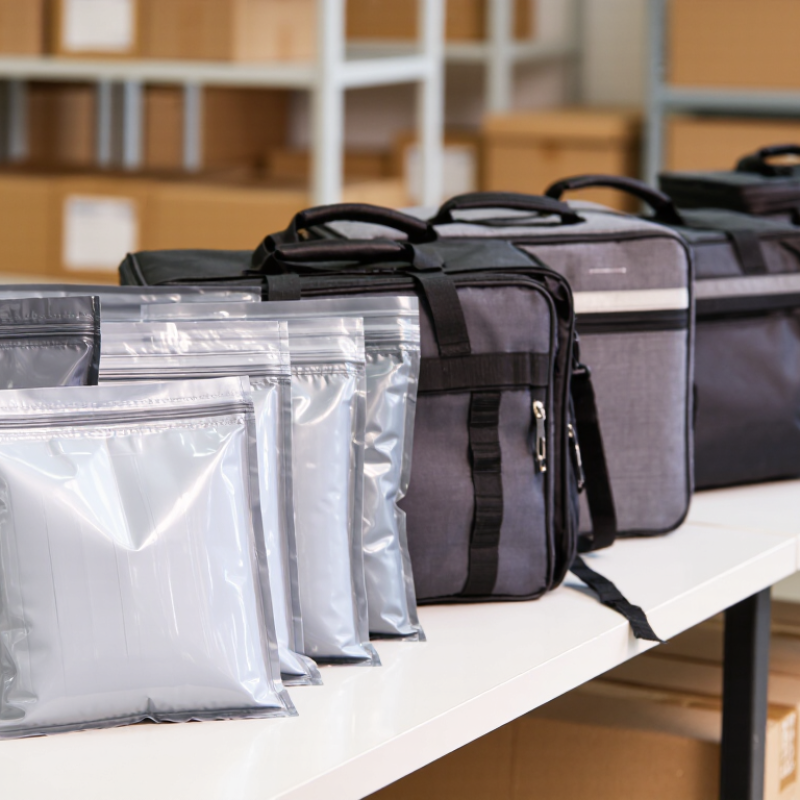
China Top 10 Courier Bag Manufacturers for Global Buyers?

What Courier Bags Are and Which Applications They Serve

A courier bag is a flexible outer package used to move items through parcel networks. It usually has a sealed flap, a tear-resistant body, and space for a shipping label. Unlike a box, it folds around the contents and takes little storage space. Common options include plastic film and paper-based mailers. The right choice depends on weight, moisture exposure, handling, and whether the item needs cushioning. Scale matters. Pitney Bowes’ 2023 Parcel Shipping Index recorded 161 billion parcels worldwide in 2022. That volume helps explain why lightweight, easy-to-sort packaging is widely used in delivery operations.

Courier bags commonly carry clothing, soft goods, printed documents, and small non-fragile products sold online. In fulfillment centers, staff can pack a garment quickly, seal the flap, and attach a readable label. Bags also suit return shipments when customers need a simple way to repackage goods. Still, a bag is not a cure-all. A thin mailer may protect fabric from dust and light rain, but it will not prevent a hard item from being crushed. Fragile products need suitable inner protection, while oversized or bulky items may be safer in a box. Material choice also deserves care: lighter packaging can reduce shipping weight, but damage and replacement shipments carry costs too.


How China’s Courier Bag Manufacturing Industry Is Organized

China’s courier bag industry is organized less like a single production line and more like a network of specialized suppliers. Some factories focus on woven polypropylene or nonwoven fabric, while others cut, print, stitch, and assemble finished bags. Zippers, handles, and reinforced seams may come from separate component suppliers. That structure lets buyers specify dimensions, closures, and print areas without requiring every process under one roof.

Production often begins with a sample and a clear specification sheet. Buyers should confirm fabric weight, bag dimensions, handle strength, and seam construction before approving a larger order. A practical inspection checks measurements, stitching, and print alignment across several bags, not just one sample. Small differences happen. The key is agreeing on acceptable tolerances in writing.

Factories vary in their strengths. A supplier experienced in reusable shopping bags may not have the same expertise in insulated or security-style courier bags. Ask who handles each production stage, how defects are recorded, and whether pre-shipment checks are available. Communication can be uneven when specifications are vague, and that is worth acknowledging. Clear drawings and signed samples reduce confusion, though they cannot remove every production variation.

China Top 10 Courier Bag Manufacturers for Global Buyers? - How China’s Courier Bag Manufacturing Industry Is Organized

A practical overview of ten common supplier profiles in China’s courier-bag supply chain. These are manufacturing categories, not ranked or named companies.

Supplier Profile Common Products Typical Materials Manufacturing Capabilities Suitable Buyer Needs What Buyers Should Verify
Poly mailer specialists Lightweight mailing bags, returnable mailers, and printed shipping envelopes Polyethylene films, including LDPE and co-extruded film structures Film conversion, bag sealing, printing, and optional peel-and-seal closures High-volume e-commerce shipments where low weight and moisture resistance are priorities Film thickness, seal strength, closure performance, print quality, and applicable packaging regulations
Recycled-content mailer producers Mailing bags made with recycled plastic content, where material supply and specifications allow Recycled polyethylene blends and other specified film components Film conversion and bag making, with material claims dependent on documented input and traceability Buyers seeking recycled-content packaging or a documented sustainability specification Recycled-content evidence, chain-of-custody documents, material consistency, and destination-market requirements
Paper mailer converters Paper mailing bags, padded paper mailers, and document envelopes Kraft paper, paper cushioning, and compatible barrier or closure materials Paper converting, folding, gluing, printing, and integration of protective liners when specified Shipments suited to paper-based packaging and buyers reducing plastic use Paper weight, seam integrity, moisture protection, recyclability claims, and packaging performance in transit
Bubble mailer manufacturers Padded mailing envelopes for small, lightweight items Paper or plastic outer layers combined with bubble cushioning Laminate converting, cushioning integration, bag forming, sealing, and printing Products needing more cushioning than a flat mailer provides Cushioning consistency, puncture resistance, seam strength, dimensions, and closure reliability
Reusable courier-bag makers Returnable delivery bags and multi-trip document or parcel bags Woven polypropylene, polyester fabric, coated textiles, or other specified durable fabrics Cutting and sewing, reinforced seams, handles, closures, and optional identification features Closed-loop delivery, internal logistics, and repeated-use transport systems Cycle-life testing, seam and handle strength, closure durability, repairability, and cleaning requirements
Security-bag producers Tamper-evident courier bags, evidence bags, and secure document pouches Plastic film or fabric constructions with specialized security closures Bag conversion, serial numbering, security printing, and integration of tamper-evident seals Shipments requiring visible evidence of opening or controlled chain of custody Seal behavior, unique numbering controls, tamper-evidence testing, and handling of sensitive artwork or data
Insulated delivery-bag manufacturers Thermal delivery bags and insulated transport pouches Insulating foam or other insulation layers with fabric or film outer and inner layers Layer assembly, sewing or welding, zipper fitting, and production of insulated panels Food, grocery, or temperature-sensitive delivery where the specified bag is part of a broader handling system Thermal performance under defined test conditions, cleanability, seam construction, and food-contact suitability where relevant
Woven polypropylene bag producers Durable carrier bags, document sacks, and larger logistics bags Woven polypropylene fabric, with optional coating or lining Fabric sourcing or weaving, cutting, sewing, printing, and reinforcement Repeated handling or heavier loads than typical thin-film mailers are designed for Fabric construction, load rating, stitching, coating or lining details, and performance testing
Custom-print packaging converters Branded courier bags and mailers manufactured to buyer artwork and specifications Film, paper, or fabric substrates selected for the product design Prepress, flexographic or other suitable printing, converting, and finishing Retail and e-commerce buyers needing customized colors, graphics, sizes, or closure details Color approvals, artwork ownership, print tolerances, proofing process, and repeat-order consistency
Integrated packaging suppliers Multiple courier-bag formats, sometimes combined with labels, cartons, or other shipping materials Materials vary by product and project specification Product development, sourcing, converting, quality coordination, and export-order management Buyers consolidating packaging formats or coordinating a broader shipping-material program Which processes are performed in-house, subcontractor controls, quality documentation, lead times, and export compliance

Buyer note: Supplier capabilities and product performance vary by factory and specification. Request samples, written material and dimensional specifications, relevant test reports, and confirmation of applicable destination-market requirements before placing a production order.

Criteria for Evaluating Chinese Courier Bag Manufacturers

When evaluating Chinese courier bag manufacturers, look beyond catalog photos and low quotations. Request samples made with the same fabric, coating, zipper, and stitching planned for production. Check whether seams stay straight under light pressure and whether handles feel secure when loaded. Ask for material specifications, production capacity, inspection steps, and typical lead times in writing. Clear answers matter. A polished sample can still hide inconsistent workmanship across a large order.

Tips: Compare at least two samples side by side. Photograph seams, closures, and labels. Ask how defects are recorded and corrected. Keep one approved sample as a reference.

Assess communication as carefully as product quality. A dependable supplier should clarify dimensions, tolerances, packaging, and revision costs before production starts. Request a small pilot run when order volume allows, then inspect random bags from different cartons. Check measurements, odor, color consistency, and zipper movement. For export orders, confirm who prepares shipping documents and how delays are reported. These checks reduce surprises, though they cannot remove every risk. I would not treat one good sample as proof of stable factory performance; repeated checks are less exciting, but more useful.

Profiles of Ten Chinese Courier Bag Manufacturers for Global Buyers

The ten Chinese courier bag manufacturer profiles show how production strengths can differ. Some suppliers focus on lightweight polyethylene mailers, while others make padded envelopes with soft inner lining. Several offer woven polypropylene bags for repeated handling. Others specialize in insulated delivery bags, with foil layers and reinforced seams. A few combine sewing and heat sealing, which can suit mixed product ranges. Small details matter. Ask how handles are attached, how seams are tested, and whether sample dimensions match the final production run.

For global buyers, compare capabilities rather than relying on broad claims. One profile may suit high-volume, standard-size orders; another may better fit custom colors or printed panels. Some factories can source recycled fabrics, but request clear material specifications and test documentation. Lead times also deserve a close look: sampling, material approval, and production rarely move at the same pace. Photos help, but they cannot show stitch strength or coating consistency. I would not assume that a polished sample represents every batch; request production references and inspect a pre-shipment sample when practical. Small suppliers can be responsive, though their capacity may fluctuate. That trade-off is easy to overlook.

How to Compare Suppliers, Verify Quality, and Manage Export Orders

Choosing among courier bag suppliers takes more than comparing unit prices. Request a specification sheet covering fabric weight, coating, seam construction, closure type, and dimensions. Ask whether measurements refer to a filled bag or a flat sample. Small differences matter. A bag that fits parcels poorly can waste packing time and increase freight costs.

Compare samples under consistent conditions. Fill each with a known load, inspect corner stitching, and test closures repeatedly. Check print alignment and color against an approved physical reference, not a phone image. For repeat orders, agree on tolerances for size, weight, and color. Ask for inspection records and a clear process for handling defects. A polished sample is useful, but it cannot prove every production batch will match.

Before confirming an export order, clarify minimum quantities, lead time, packaging, carton dimensions, and shipping terms in writing. Confirm who arranges transport and which documents the buyer will receive. Request dated production updates and photos of packed cartons; keep an approved sample for comparison. Payment milestones should correspond to verifiable progress. Delays can still happen, especially during busy seasons. Build in time, and treat supplier estimates as estimates, not guarantees.

Powder Coat Booths

For those larger-sized parts, or smaller quantity runs, we have 2 independent powder coat booths and ovens. The quality, durability and affordability of today’s powder coating finishes make this the process of choice for world-class companies.

Powder coating advantages over other forms of coating are many. Materials used in the Powder coating process can be metals and non-metals that come in a multitude of thicknesses, textures, colors, etc. Another of Powder coating’s biggest advantages over conventional coatings is its ability to create finishes in many different textures. Powder Coating Booths allow us the ability to apply these advantages to large products.

Wet Paint Line

Tri-State Fabricators runs a full-service conveyor line for painting. Wet painting can provide protection or decoration to many different part styles. From start to finish, every project is easier to undergo random and point-based inspection by our skilled painting team.

Advantages to our Wet Paint Line are these lines start with product prep and ends with a thorough inspection of a high quality finished product. Our ability to complete large and small projects with a superior finish and doing so in a timely and economical fashion. This passes along the savings in production to our customers. When powder coating ins not an option, our Wet Paint Line gets the job done right the first time.

Wet Paint Booths

When the parts get big and heavy we roll-out our custom paint racks and oversize booth. By utilizing our partnerships with all the major paint brands, we can match virtually any color with wet paint.

The advantages of having access to a Wet Paint Booth are many. Large projects of many different shapes can be loaded into the booth. The Wet Paint Booth offers an environment that is much more controlled than a typical parts painting operation.

Not only are they used because of their controlled environment, but they’re are also advantageous when it comes to applying paint to parts that are needed in industries that require specialty coatings such as medical, aerospace, etc.

Military CARC

Our military forces have some very high standards when it comes to the finish of their vehicles and equipment. From the first pre-treatment step to final coat, it takes a great deal of knowledge and experience to protect the men and women of our armed forces. They deserve only the best, and Tri-State Fabricators provides it.

All of our processes are closely monitored by our staff and management teams. Both of which are highly trained in the processes of metal fabrication and finishing. Tri-State Fabricators’ goal is to always fully satisfy each and every customer, including the military. We will always put a 110% into what we do.

Glass-Bead Blasting

Abrasive media blasting is an excellent way to remove old paint, rust, and increase the paint/powder adhesion. Glass beads produce a much smoother and brighter finish than angular abrasives; leaving the part clean yet without any dimensional change. Chemically inert and environmentally friendly, we can recycle our beads approximately 30 times; making them a more preferred method of metal cleaning or surface finishing.

Advantages to Glass Bead Blasting are many. Glass bead blast media is used when a project is needing rough surfaces need to become smooth for applications of coatings such as paint. It is typically used to clean paint and rust from a product surface without deforming the surface it is being used on. Overall, compared to many other blasting media, Glass Bead Blasting is a very economical choice and those savings are always passed on to our customers.

Part Washing

Tri-State Fabricators utilize a zinc phosphate wash to clean and etch the material to ensure the best paint adhesion possible. The unique design of our 3-stage wash system does the work like a 5-stage. From Cleaning and rinsing to conversion coating and post-treatment, Our Part Washing process is a complete service and works throughout the fabrication service and the finishing service.

Along with the previously mentioned benefits, Curing is a vital chemical reaction that leaves the product finish hard and relatively safe from mild abrasion and aggressive corrosion. This process can be done in more than one way; ambient air-dry or in curing ovens at temps that exceed 240°.

Burn-Off Oven

From fixing paint mistakes (someone else’s of course) to simply cleaning our paint line hooks, our burn-off oven is put to good use. After a quick burn-off, a little clean up, and a fresh coat of paint, your parts will look better than new.

Why does our Burn-Off Oven work so well? Because super heating the air around parts turns the materials into ashes. From paint and powder coatings to rubber and machining oils, high temps do the job without degrading the integrity of the part.

Masking

Masking is a vital part of producing high quality products. We have die-cut masking patterns to protect machined surfaces as well as a wide range of plugs and caps to protect threaded holes and bolts. We provide permanent and temporary masking.

Masking allows the selected sections of a product to be protected from a fabrication or finishing service. This can be with both chemicals when etching and tapes, paints when only finishing just a section of the product. Masking is great in aiding the customization process of a project.

Screen Printing

Screen printing is a photographic process that transfers artwork onto a porous nylon screen which allows colored ink to flow through the screen and be deposited on an aluminum or plastic component. We can generally have just about any design created onto a screen for your parts.

Some of the advantages of Screen Printing are, brand recognition for your business displaying on your products, assembly instructions, product warnings/hazards, etc. Tri-State Fabricators produces Screen Printing of the highest quality so you know it’s durable.

Metal Finishing

Metal Finishing is the art of treating the exterior portion of product, often metal but can also be made of other materials, so that the surface is clean and free of any debris. Then the process of applying coats or either paint of powder coat takes place. This coating process improves the quality of the product in both appearance and resistance to wear and corrosion.

Tri-State Fabricators, Inc., understands that a project typically isn’t complete until a high-quality finish has been added to your product. This is why our painting and powder coating teams continuously inspect the products throughout the Metal Finishing process.
