Top 10 Choke Valve Parts Every Buyer Should Know?
In the world of oil and gas production, choke valve parts play a vital role in managing flow and pressure. According to a report by ResearchAndMarkets, the global choke valve market is projected to reach $7.3 billion by 2025, highlighting the increasing importance of these components. Proper functionality and maintenance of choke valve parts are crucial for operational efficiency and safety.
Understanding the key components of choke valves can significantly enhance reliability. For example, the trim parts — including the seat and needle — are essential for precision control. Inadequate knowledge can lead to costly operational failures, as noted in various industry case studies. Some users may overlook these essential details, leading to increased downtime.
Reliability and performance of choke valve parts depend on both design and materials used. As a buyer, having a clear understanding of these parts is imperative. High-quality materials can make a difference, yet many buyers undervalue this aspect. Focusing on quality ensures a safer and more efficient operation in the long run.
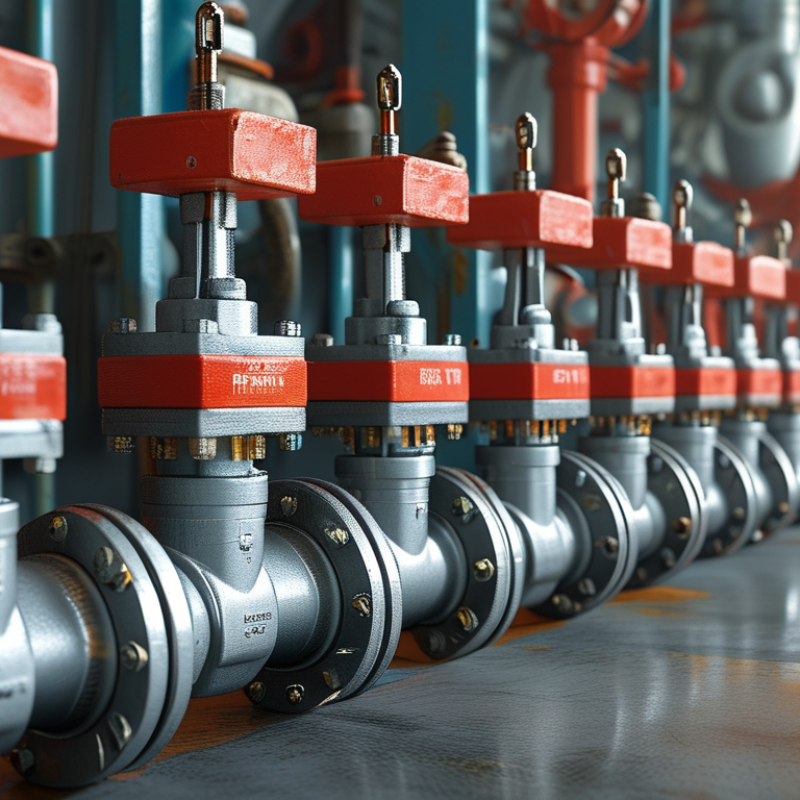
Essential Components of Choke Valves and Their Functions
Choke valves play a crucial role in various industries, especially in oil and gas. Understanding their essential components helps buyers make informed decisions. The most significant parts include the valve body, actuator, and trim. Each component contributes to the valve's functionality.
The valve body houses all components, ensuring durability and pressure resistance. The actuator controls the valve’s opening and closing. It can be manual or automated, depending on operational requirements. The trim refers to the internal parts that regulate flow. This may include seats, discs, and stems.
When selecting choke valve parts, consider your specific application needs. Not all components fit every system. It's crucial to review material compatibility with the fluid being controlled. Some components wear over time, affecting performance. Regular inspections can help identify these issues early.
Watch out for common errors in installation. Misalignment can lead to leaks and inefficiencies. Detailed checking of each component during assembly is vital. Prioritize quality over cost when sourcing parts. This approach ensures reliability and longevity in valve performance.
Understanding Choke Valve Part Materials and Durability
When considering choke valve parts, the materials used greatly influence durability and performance. According to industry reports, materials like stainless steel and alloyed metals offer higher strength and corrosion resistance. These characteristics are crucial, especially in demanding environments like oil and gas. A study from the Journal of Materials Science highlights that valves made from superior materials can outlast those using standard steel by nearly 50% in high-pressure situations.
The choice of material impacts not only longevity but also maintenance costs. For instance, using a high-grade polymer lining can enhance wear resistance. Reports indicate that valves with such linings reduce the frequency of replacements by 30%. However, not all materials are suitable for every application. The environment's specific conditions must be considered. Improper material selection can lead to unexpected failures and safety hazards, costing companies both time and money.
In summary, understanding the materials and their properties enables buyers to make informed choices. This knowledge can significantly affect operational efficiency and safety in critical applications. Buyers must reflect on their specific needs and the environmental impact on valve performance to ensure optimal selection.
Key Specifications to Consider When Buying Choke Valve Parts
When purchasing choke valve parts, understanding key specifications is essential. Begin with material selection. Common materials include stainless steel and carbon steel. Each material has unique properties and applications. Assess the operating environment to determine which material suits your needs best.
Another crucial specification is the pressure rating. This indicates the maximum pressure the valve can handle. It’s important to match this rating with your system’s requirements. Inadequate ratings can lead to failures, affecting safety and performance. Look for valves with adequate pressure ratings that meet or exceed your operational needs.
Regular maintenance of choke valve parts is vital. Even the best components require checks and replacements over time. Inspect seals and gaskets regularly. Any sign of wear can signal the need for a replacement. Addressing potential issues early can prevent costly downtime later. Always prioritize reliable suppliers who offer quality and consistency in their products.
Top 10 Choke Valve Parts Every Buyer Should Know
| Part Name | Material | Pressure Rating | Temperature Range | Connection Type |
| Choke Body | Carbon Steel | 1500 Psi | -20 to 200 °F | Flanged |
| Choke Disc | Stainless Steel | 2000 Psi | -40 to 300 °F | Welded |
| Choke Stem | Alloy Steel | 3000 Psi | -20 to 250 °F | Threaded |
| Choke Seat | PTFE | 600 Psi | -50 to 200 °F | Flanged |
| Choke Valve Handle | Plastic | N/A | -20 to 150 °F | N/A |
| Choke Spring | Stainless Steel | N/A | -40 to 300 °F | N/A |
| Seal Ring | NBR | N/A | -25 to 120 °F | N/A |
| Choke Valve Cap | Aluminum | 1500 Psi | -10 to 200 °F | Threaded |
| Choke Valve Gasket | Rubber | N/A | -20 to 180 °F | N/A |
| Choke Adapter | Carbon Steel | 2000 Psi | -25 to 150 °F | Flanged |
Maintenance Tips for Longevity of Choke Valve Components
Regular maintenance is crucial for the longevity of choke valve components. Studies indicate that 40% of valve failures stem from improper maintenance practices. Understanding the specific needs of each part can significantly improve performance and extend the lifespan of the valve system.
Periodic inspection should include checking for wear on seals and gaskets, which can degrade over time. According to industry reports, neglecting these components can lead to leaks and loss of control over flow rates. Operators should know the typical wear patterns and replace parts proactively rather than reactively. Investing in training for maintenance personnel can enhance the understanding of choke valve intricacies and help in identifying potential issues before they escalate.
Additionally, paying attention to the operational environment is vital. Corrosive substances or extreme temperatures can compromise valve integrity. For example, environments with high particulate matter can increase abrasion on valve parts. Regular cleaning and implementing appropriate protective measures can mitigate such risks. Routine audits of maintenance procedures can help in identifying overlooked aspects, ensuring all parts function effectively and efficiently over time.
Top 10 Choke Valve Parts Every Buyer Should Know
This chart illustrates the importance rating of different choke valve parts, providing an overview of their significance in functionality and maintenance. Each part is rated on a scale from 1 to 10, highlighting which components are most critical for ensuring longevity and performance.
Common Issues and Solutions for Choke Valve Parts in Use
Choke valves play a crucial role in controlling fluid flow in various industries, yet they present common challenges. One major issue is wear and tear on components due to abrasive materials, which can lead to reduced efficiency and failures. According to a study by the American Society of Mechanical Engineers, nearly 30% of valve failures result from component wear. Operators must routinely inspect and maintain these parts to prevent operational interruptions.
Another prevalent problem is improper sizing and selection. Inaccurate assessments during installation can lead to valve malfunction, possibly causing safety risks. Research highlights that nearly 40% of choke valve issues stem from inadequate design and sizing. Utilizing advanced simulation tools during the design phase can mitigate these risks, ensuring optimal performance in the field. Consistent evaluations and recalibrations are essential to maintain the integrity of choke valves, especially in demanding environments.
Additionally, environmental factors can impact valve performance. Extreme temperatures and corrosive substances may lead to degradation over time. It's essential to select materials that resist these conditions. Having a robust maintenance strategy can extend the life of choke valve components, which is vital for system reliability. Regular training for operational staff around these issues also fosters a culture of proactive maintenance.





