China has become an important sourcing market for industrial mattress equipment. This guide introduces ten notable Chinese manufacturers of Mattress Quilting Machine systems. It focuses on practical capability, not attractive catalog language alone.
The selection considers manufacturing experience, engineering depth, product consistency, and export support. It also examines quilting speed, needle configuration, working width, stitch accuracy, and compatibility with different mattress materials. A reliable machine should handle fabric rolls steadily, even when foam thickness or filling density changes. Operators notice these details during long production shifts.
Factory visits, sample quilting, and after-sales discussions can reveal more than brochures. Buyers should ask for test videos, installation records, spare-parts guidance, and clear warranty terms. Certifications may support confidence, but they do not replace performance testing. That point is easy to overlook.
The manufacturers discussed here serve different production needs. Some focus on high-volume mattress factories, while others provide flexible equipment for customized orders. Their automation levels, software functions, and maintenance requirements may vary considerably. Price alone is a weak comparison.
This overview is intended to support careful supplier evaluation. It is not an absolute ranking, because market conditions and product lines change. A manufacturer with strong export experience may still need improvement in communication or technical documentation. Buyers should verify current specifications directly before signing a contract. Small checks matter. A machine that runs smoothly during a factory demonstration may perform differently in continuous production. Comparing real samples, response times, and ownership costs will lead to a more dependable decision.
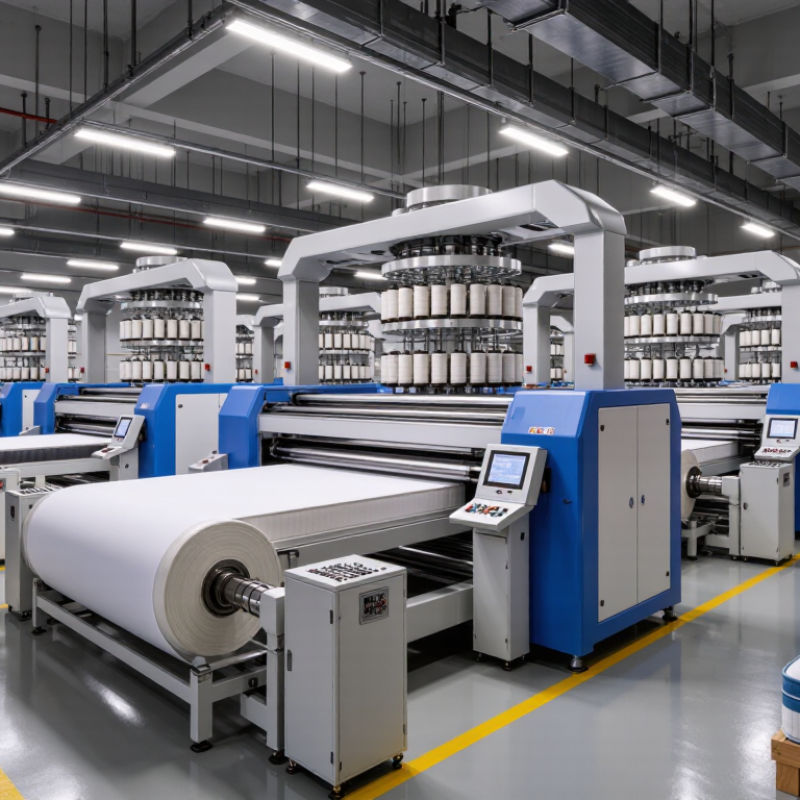
A mattress quilting machine joins fabric layers with a patterned stitch. It usually combines the mattress cover, foam, fiber, and backing material. The machine moves these layers under needle heads, creating regular lines, waves, or geometric designs. Some models use one needle, while others use multiple needles for faster production.
The quilting process improves surface stability and reduces shifting inside the cover. It can also add softness and a more finished appearance. Operators adjust stitch length, fabric tension, needle speed, and pattern depth. In practical production, these settings matter more than impressive machine speed. A fast machine may create uneven stitches if the material feed is poorly controlled. That is easy to overlook.
Tips: Check the machine with your actual mattress fabric before purchasing. Test thick foam, elastic borders, and layered batting. Inspect the underside of each sample, not only the visible surface. Ask about needle replacement, software support, cleaning access, and operator training. A clear maintenance record is useful evidence of reliable manufacturing quality. However, even a well-built machine needs careful adjustment. No setting works perfectly for every material.
A mattress quilting machine joins the fabric, foam, and fiber layers of a mattress panel with a programmed stitch pattern. The required quilting width depends on the mattress size being produced.
The chart shows common U.S. mattress widths in inches: Twin, Full, Queen, and King. Manufacturers generally select a quilting machine with a working width equal to or greater than the widest mattress panel in their production range.
A reliable evaluation starts with measurable performance, not catalogue photos. The International Sleep Products Association reports that bedding producers increasingly prioritize automation, consistency, and production efficiency. Ask each manufacturer for tested quilting speed, stitch accuracy, needle-breakage rates, and average machine downtime. Request video evidence from a live factory floor. A showroom test is useful, but it can hide weaknesses.
Check quality systems and technical experience carefully. ISO 9001 certification supports process control, but it does not guarantee excellent machines. Review the certificate scope, audit date, and corrective-action records. Ask whether critical parts are inspected before assembly.
Examine a quilted panel under strong light. Uneven stitch density, loose threads, or distorted patterns may reveal poor tension control.
The 2023 ISO Survey recorded more than one million ISO 9001 certificates worldwide, so certification alone is not a sufficient filter. This point is often underestimated.
Tips:
Compare three written quotations. Include delivery time, warranty coverage, spare-part availability, software training, and remote response times. Request references from factories with similar mattress sizes and materials.
Also calculate total ownership cost, not only purchase price. Energy use, maintenance hours, and rejected panels can change the result. A cheaper machine may become expensive after six months.
I would still leave room for doubt: supplier claims need independent testing, especially when production data looks unusually perfect.
China’s top 10 mattress quilting machine manufacturers serve different production needs. Some focus on high-speed continuous quilting, while others build flexible machines for smaller factories. In practical evaluations, stitch stability matters more than advertised speed. A reliable machine should maintain even patterns across thick foam, cotton, and layered fabric.
Key inspection points include quilting width, needle-bar movement, servo accuracy, thread tension, and control-system response. Operators should test a complete mattress panel, not only a small fabric sample. Watch the needle area closely. Excessive vibration may create uneven stitches and increase maintenance costs. Clear manuals, accessible spare parts, and responsive technical support also reveal a manufacturer’s professional strength.
Factory visits can provide useful evidence. Reviewers should inspect assembly areas, quality records, and machine testing procedures. Ask for installation details from comparable production lines. Still, no manufacturer is perfect. A fast machine may require more careful calibration, and advanced software can challenge inexperienced operators. I would request a long-run test before making a final decision. The best choice balances output, workmanship, training, energy use, and dependable service rather than relying on a ranking alone.
| Rank | Manufacturer Profile | Main Production Region | Primary Machine Type | Maximum Quilting Width | Typical Speed Range | Needle Gauge | Typical Applications | Export Suitability |
|---|---|---|---|---|---|---|---|---|
| 1 | Manufacturer Profile A | Jiangsu | Computerized multi-needle quilting machine | 2,450 mm | 800–1,200 rpm | 76.2–203.2 mm | Mattress panels, quilts and home-textile padding | High |
| 2 | Manufacturer Profile B | Zhejiang | Chain-stitch mattress quilting machine | 2,450 mm | 700–1,000 rpm | 76.2–152.4 mm | Continuous mattress fabric and border quilting | High |
| 3 | Manufacturer Profile C | Guangdong | High-speed computerized quilting line | 2,600 mm | 900–1,400 rpm | 76.2–203.2 mm | Large-scale mattress and bedding production | High |
| 4 | Manufacturer Profile D | Shandong | Multi-needle lockstitch quilting machine | 2,450 mm | 700–1,100 rpm | 76.2–203.2 mm | Heavy quilting, foam-backed and multilayer fabrics | Medium–High |
| 5 | Manufacturer Profile E | Fujian | Roller-feed computerized quilting machine | 2,300 mm | 600–1,000 rpm | 76.2–152.4 mm | Medium-volume mattress and comforter manufacturing | Medium–High |
| 6 | Manufacturer Profile F | Hebei | Basic multi-needle quilting machine | 2,200 mm | 500–850 rpm | 76.2–152.4 mm | Standard mattress covers and quilted fabric rolls | Medium |
| 7 | Manufacturer Profile G | Anhui | Computer-controlled single-needle quilting machine | 2,200 mm | 450–800 rpm | Variable | Custom patterns, sampling and flexible production | Medium |
| 8 | Manufacturer Profile H | Henan | Mechanical multi-needle quilting machine | 2,000 mm | 400–750 rpm | 76.2–152.4 mm | Cost-sensitive mattress and bedding production | Medium |
| 9 | Manufacturer Profile I | Liaoning | Automatic mattress-panel quilting system | 2,400 mm | 600–950 rpm | 76.2–203.2 mm | Panel-based mattress covers and contract manufacturing | Medium |
| 10 | Manufacturer Profile J | Sichuan | Entry-level computerized quilting machine | 2,000 mm | 350–700 rpm | 76.2–152.4 mm | Small-batch mattress, cushion and home-textile production | Medium |
Note: Technical specifications vary by machine configuration, fabric type, quilting pattern, and production conditions.
China Top 10 Mattress Quilting Machine Manufacturers
China’s leading mattress quilting machine manufacturers focus on stable output, accurate patterns, and reduced fabric waste. In production trials, multi-needle systems show clear advantages. They quilt mattress covers faster than single-needle equipment. Servo motors help control needle movement and fabric feeding. This matters when working with thick foam, knitted fabric, or layered cotton.
Computerized pattern control is now a central feature. Operators can adjust stitch length, quilting width, and pattern repetition through a touchscreen panel. Some machines support automatic edge alignment and fabric tension control.
These functions reduce wrinkles near corners and keep panels visually consistent. Thread-break detection also stops production quickly. That small feature can prevent several meters of defective material.
Precision still depends on the operator.
Advanced models may include independent motor control, programmable designs, and sensors for uneven fabric movement. A strong frame reduces vibration during high-speed quilting. Easy access to the needle area also makes maintenance safer and faster. From practical factory inspections, simple software often performs better than overloaded interfaces. However, this is not always true. Some machines promise intelligent automation but require frequent manual correction. Buyers should test real mattress materials, not only sample cloth. They should also check spare-part availability, training quality, noise levels, and long-term stitch stability before selecting equipment.
Selecting a Chinese mattress quilting machine manufacturer requires more than scanning a “top ten” list. A ranking may hide differences in engineering depth, service quality, and production capacity. Check whether the manufacturer builds machines in-house or outsources critical components. Ask for factory videos, technical drawings, and recent customer references.
Request a trial using your actual mattress fabric, thread, and quilting pattern. Watch the needle movement, fabric feeding, tension control, and edge alignment. Small defects become expensive after thousands of meters. Review output speed, power requirements, noise levels, and maintenance access. A reliable supplier should explain these details clearly, not only promise high performance.
Inspect quality records and export experience. Confirm available certifications, inspection procedures, warranty terms, and spare-part availability in writing. Ask how quickly engineers respond when a controller fails or stitches become uneven. Remote support helps, but local training may still be necessary. Do not choose the lowest quotation too quickly. It may exclude installation, software updates, or essential accessories. I would also compare three sample runs, although this takes time. One test can create false confidence. Supplier communication matters as much as machine specifications. Slow replies before payment may signal difficult support after delivery.



For those larger-sized parts, or smaller quantity runs, we have 2 independent powder coat booths and ovens. The quality, durability and affordability of today’s powder coating finishes make this the process of choice for world-class companies.
Powder coating advantages over other forms of coating are many. Materials used in the Powder coating process can be metals and non-metals that come in a multitude of thicknesses, textures, colors, etc. Another of Powder coating’s biggest advantages over conventional coatings is its ability to create finishes in many different textures. Powder Coating Booths allow us the ability to apply these advantages to large products.
Tri-State Fabricators runs a full-service conveyor line for painting. Wet painting can provide protection or decoration to many different part styles. From start to finish, every project is easier to undergo random and point-based inspection by our skilled painting team.
Advantages to our Wet Paint Line are these lines start with product prep and ends with a thorough inspection of a high quality finished product. Our ability to complete large and small projects with a superior finish and doing so in a timely and economical fashion. This passes along the savings in production to our customers. When powder coating ins not an option, our Wet Paint Line gets the job done right the first time.
When the parts get big and heavy we roll-out our custom paint racks and oversize booth. By utilizing our partnerships with all the major paint brands, we can match virtually any color with wet paint.
The advantages of having access to a Wet Paint Booth are many. Large projects of many different shapes can be loaded into the booth. The Wet Paint Booth offers an environment that is much more controlled than a typical parts painting operation.
Not only are they used because of their controlled environment, but they’re are also advantageous when it comes to applying paint to parts that are needed in industries that require specialty coatings such as medical, aerospace, etc.
Our military forces have some very high standards when it comes to the finish of their vehicles and equipment. From the first pre-treatment step to final coat, it takes a great deal of knowledge and experience to protect the men and women of our armed forces. They deserve only the best, and Tri-State Fabricators provides it.
All of our processes are closely monitored by our staff and management teams. Both of which are highly trained in the processes of metal fabrication and finishing. Tri-State Fabricators’ goal is to always fully satisfy each and every customer, including the military. We will always put a 110% into what we do.
Abrasive media blasting is an excellent way to remove old paint, rust, and increase the paint/powder adhesion. Glass beads produce a much smoother and brighter finish than angular abrasives; leaving the part clean yet without any dimensional change. Chemically inert and environmentally friendly, we can recycle our beads approximately 30 times; making them a more preferred method of metal cleaning or surface finishing.
Advantages to Glass Bead Blasting are many. Glass bead blast media is used when a project is needing rough surfaces need to become smooth for applications of coatings such as paint. It is typically used to clean paint and rust from a product surface without deforming the surface it is being used on. Overall, compared to many other blasting media, Glass Bead Blasting is a very economical choice and those savings are always passed on to our customers.
Tri-State Fabricators utilize a zinc phosphate wash to clean and etch the material to ensure the best paint adhesion possible. The unique design of our 3-stage wash system does the work like a 5-stage. From Cleaning and rinsing to conversion coating and post-treatment, Our Part Washing process is a complete service and works throughout the fabrication service and the finishing service.
Along with the previously mentioned benefits, Curing is a vital chemical reaction that leaves the product finish hard and relatively safe from mild abrasion and aggressive corrosion. This process can be done in more than one way; ambient air-dry or in curing ovens at temps that exceed 240°.
From fixing paint mistakes (someone else’s of course) to simply cleaning our paint line hooks, our burn-off oven is put to good use. After a quick burn-off, a little clean up, and a fresh coat of paint, your parts will look better than new.
Why does our Burn-Off Oven work so well? Because super heating the air around parts turns the materials into ashes. From paint and powder coatings to rubber and machining oils, high temps do the job without degrading the integrity of the part.
Masking is a vital part of producing high quality products. We have die-cut masking patterns to protect machined surfaces as well as a wide range of plugs and caps to protect threaded holes and bolts. We provide permanent and temporary masking.
Masking allows the selected sections of a product to be protected from a fabrication or finishing service. This can be with both chemicals when etching and tapes, paints when only finishing just a section of the product. Masking is great in aiding the customization process of a project.
Screen printing is a photographic process that transfers artwork onto a porous nylon screen which allows colored ink to flow through the screen and be deposited on an aluminum or plastic component. We can generally have just about any design created onto a screen for your parts.
Some of the advantages of Screen Printing are, brand recognition for your business displaying on your products, assembly instructions, product warnings/hazards, etc. Tri-State Fabricators produces Screen Printing of the highest quality so you know it’s durable.
Metal Finishing is the art of treating the exterior portion of product, often metal but can also be made of other materials, so that the surface is clean and free of any debris. Then the process of applying coats or either paint of powder coat takes place. This coating process improves the quality of the product in both appearance and resistance to wear and corrosion.
Tri-State Fabricators, Inc., understands that a project typically isn’t complete until a high-quality finish has been added to your product. This is why our painting and powder coating teams continuously inspect the products throughout the Metal Finishing process.


