


What Are the Top 10 Liposuction Aspirator Machines?

Choosing among the top 10 Liposuction Aspirator Machines is not simply a matter of comparing suction power. These devices support a surgical procedure, so dependable performance, clear controls, and suitable fluid management matter in daily clinical work. A quiet pump may improve the room’s working environment, while stable suction can help a qualified surgical team maintain a consistent workflow. Small details count. Tubing connections, collection canisters, mobility, and cleaning requirements can all affect practical use.

This guide compares machines through features that clinics can verify, including vacuum range, capacity, portability, maintenance needs, and available manufacturer support. It also considers how different designs may suit different surgical settings, rather than treating one model as best for every team. Product specifications should be checked against current manufacturer documentation, and purchasing decisions should involve qualified clinicians and biomedical staff. That matters.

A ranked list can be useful, but it cannot replace hands-on evaluation or clinical judgment. Some specifications look impressive on paper and feel less important during a busy day. Others are easy to overlook until service is needed. No shortlist is perfect. The following overview aims to make comparisons clearer, highlight practical trade-offs, and help readers ask better questions before selecting equipment for an appropriately staffed medical facility.
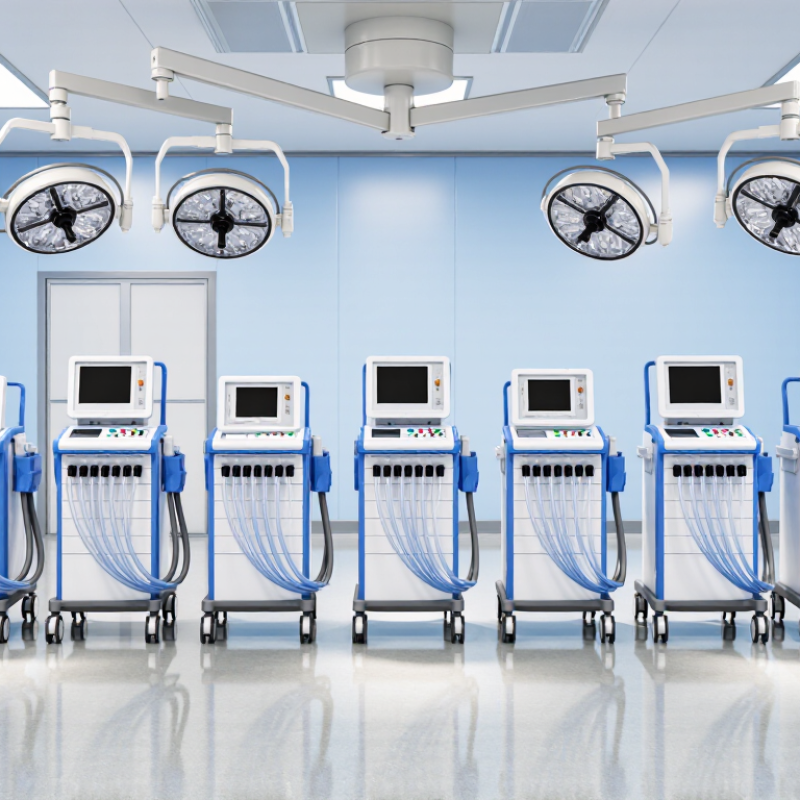
What Are the Top 10 Liposuction Aspirator Machines?

How Liposuction Aspirator Machines Work in Fat-Removal Procedures

What Are the Top 10 Liposuction Aspirator Machines?

How Liposuction Aspirator Machines Work in Fat-Removal Procedures

A liposuction aspirator creates controlled suction to remove loosened fat through a thin cannula. The cannula connects to the machine through sterile tubing, while removed tissue travels into a collection container. The clinician guides the cannula through small incisions and uses measured movements beneath the skin. The machine supports the process; it does not perform the procedure by itself.

Suction settings matter. Too much or uneven pressure may affect tissue handling, so the clinical team monitors the equipment and the patient throughout treatment. Many systems include pressure controls, filters, and visible collection canisters. These details help staff check flow and spot interruptions. They do not guarantee a particular result. Liposuction is not a weight-loss method, and suitability depends on individual health and clinical assessment.


Main Machine Types and Their Core Components

Liposuction aspirators are best compared by how they create suction and what additional energy or motion they provide. A conventional vacuum system uses a pump, pressure controls, tubing, a collection canister, and a cannula. The gauge helps the clinical team monitor suction, while filters and secure connections help limit fluid or tissue entering the pump. Small details matter.

Power-assisted systems add a motor that moves the cannula. Ultrasound-assisted machines use a generator and handpiece to transmit sound energy through a probe. Laser-assisted systems deliver energy through a fiber, while water-assisted systems use a pressurized fluid stream and dedicated tubing. Each type still relies on suction and a collection pathway, but its specialized handpiece changes the setup and workflow. Not always.

When evaluating the ten common machine categories, compare the pump’s adjustable vacuum range, canister capacity, tubing compatibility, and ease of cleaning. For energy-based systems, inspect the generator, handpiece, controls, and any required cooling or fluid components. A larger display is not proof of better performance. Specifications should be checked against the intended clinical setting and reviewed by qualified professionals. Equipment descriptions can also leave out maintenance needs, so that part deserves a closer look.

What Are the Top 10 Liposuction Aspirator Machines? — Main Machine Types and Their Core Components

This chart compares 10 common aspirator configurations by the typical component groups in each setup. It is an illustrative component checklist, not a performance ranking; exact configurations vary, and some adjunct modules may be separate from the aspirator.

Core groups shown are a vacuum source, pressure control, collection canister, and suction tubing/cannula. Optional groups are an infiltration or fluid-delivery module and a powered or energy-based adjunct.

Criteria for Comparing the Top 10 Liposuction Aspirator Machines

Criteria for Comparing the Top 10 Liposuction Aspirator Machines

A fair comparison starts with controllable suction, not the largest advertised vacuum number. Check whether each unit holds its set pressure as tubing bends or the collection canister fills. Record its operating range, adjustment increments, recovery time, and alarm behavior under the same test conditions. The ASPS 2023 Plastic Surgery Statistics Report recorded 347,782 liposuction procedures in the United States, up 7% from 2022. This indicates procedure volume, not proof that any machine is safer or better.

Then assess workflow. A clear gauge should remain readable from the operator’s position. Test foot controls, caster locks, canister capacity, overflow protection, and filter replacement hands-on. Compare noise at working distance, footprint, handle placement, and how quickly staff can change a full canister. Small details count. Ask for maintenance intervals, electrical safety documentation, consumable costs, warranty terms, and local service response times. These factors can affect uptime more than polished product claims.

For a top-ten comparison, use a weighted scorecard covering suction stability, safety features, cleanability, ergonomics, serviceability, and operating costs. Review the instructions for use and performance data, checking that test conditions reflect your clinic’s workflow. Avoid ranking by suction alone; outcomes also depend on clinical technique and patient factors. A neat score is useful, but not definitive. Some differences only appear during a realistic setup test.

What Are the Top 10 Liposuction Aspirator Machines? - Criteria for Comparing the Top 10 Liposuction Aspirator Machines

A practical comparison of common aspirator configurations—not a ranking of specific brands or models.

# Aspirator configuration Vacuum control Collection setup Key comparison point Best suited to Important checks
1 Dedicated liposuction aspirator Typically adjustable; confirm the usable range in the device documentation. Usually a canister-based collection path. Designed for aspiration workflows; assess consistency of vacuum control and ease of setup. Facilities performing liposuction regularly. Confirm intended clinical use, servicing support, and compatibility with tubing and cannulas.
2 Variable-vacuum aspirator Provides user-adjustable suction, depending on the unit. Commonly uses a removable collection canister. Look for clear controls, stable adjustment, and a readable vacuum indicator. Teams that need to adjust suction during a procedure. Operating settings must follow the clinician’s judgment and the device instructions.
3 High-capacity aspirator system Varies by system; capacity alone does not establish suction performance. May support larger or multiple collection vessels, as specified by the manufacturer. Compare rated flow, duty cycle, canister capacity, and alarm features rather than relying on labels such as “high power.” Higher-throughput clinical workflows, where the system is indicated for that use. Check electrical requirements, noise, footprint, and applicable safety standards.
4 Compact mobile aspirator Often adjustable, but features differ among devices. Typically a smaller, portable collection arrangement. Compare dimensions, stability, handle design, and access to controls. Rooms where mobility or limited floor space is a priority. Verify that its specified capacity and intended use meet the procedure’s requirements.
5 Dual-canister configuration Controlled by the connected aspirator; the canisters do not independently set suction. Two vessels may allow collection to continue while one is changed, if designed for that workflow. Assess changeover design, overflow protection, and ease of cleaning or replacement. Workflows where additional collection capacity or vessel changeover is useful. Use only compatible vessels and follow the specified connection sequence.
6 Closed-canister collection system Depends on the connected aspirator and its control system. Uses a contained collection path designed to limit exposure during handling. Compare seals, liners, filters, disposal steps, and availability of compatible consumables. Facilities prioritizing contained fluid handling and a defined disposal workflow. A closed collection setup does not replace required infection-control procedures.
7 PAL-compatible aspiration setup Provided by the aspirator; PAL adds a powered, reciprocating cannula handpiece. Uses the collection arrangement specified for the complete system. Check that the aspirator, tubing, and PAL equipment are explicitly compatible. Teams using power-assisted liposuction equipment. PAL is an adjunct technology, not a type of vacuum pump by itself.
8 UAL-compatible aspiration setup The aspirator supplies suction; ultrasound-assisted equipment is a separate component. Configured according to the complete system’s instructions. Confirm compatibility with the ultrasound-assisted workflow and its specified accessories. Facilities using ultrasound-assisted liposuction technology. Ultrasound equipment does not replace the need for an appropriate aspiration system.
9 Laser-assisted-compatible aspiration setup Suction is produced by a separate aspirator where required by the procedure setup. Uses the collection path designated for the connected aspiration equipment. Evaluate equipment compatibility, setup instructions, and staff training needs. Facilities using laser-assisted liposuction equipment alongside aspiration. Laser systems and aspirators are distinct devices; verify each device’s intended use.
10 Regulated suction platform with monitoring features May include a regulator, gauge, and alerts; functions vary by device. Canister arrangement depends on the system design. Compare gauge visibility, alarm behavior, serviceability, and documentation. Facilities that value visible monitoring and standardized setup checks. Monitoring features support workflow but do not replace clinical observation.

Comparison note: These entries describe common equipment configurations and workflow features, not verified specifications for individual products. Actual vacuum range, flow, capacity, accessories, and intended use vary by device. Confirm details in the manufacturer’s instructions and applicable regulatory documentation before purchase or clinical use.

Profiles of 10 Notable Liposuction Aspirator Machines

Profiles of 10 notable liposuction aspirator machines are most useful when they compare functions, not marketing claims. ISAPS’s 2023 Global Survey recorded approximately 2.27 million liposuction procedures worldwide, making it the year’s most-performed surgical cosmetic procedure. That scale makes dependable suction, clear pressure readings, and safe fluid collection important selection criteria. Small details matter.

A practical comparison can cover ten configurations: a basic single-pump unit, a digital pressure-control unit, a dual-canister system, a compact mobile unit, a high-capacity unit, a low-noise unit, a system with integrated infiltration, a gentle fat-collection unit, a multiport unit, and a unit with backup-pump capability. The categories overlap. For each, assess whether pressure remains stable under routine use, whether canisters are easy to inspect, and whether alarms are audible in a busy treatment room. Check cleaning instructions, filter replacement, service access, and staff training needs. These factors are more useful than a feature count alone.

Published procedure totals describe demand, not which machine produces better outcomes. That distinction is easy to miss. Comparative clinical evidence for individual aspirator features is limited, so clinicians should avoid treating added controls as proven benefits. A machine that feels powerful during a demonstration may be awkward to move or maintain. Test setup, noise, visibility of collected material, and workflow with trained staff before choosing.

How Clinicians Select and Operate an Aspirator Safely

Selecting a liposuction aspirator is not a contest in horsepower. Clinicians should match the machine’s pressure range, collection capacity, controls, and alarms to the procedure and clinical setting. Clear displays matter when the room is busy. So does a stable cart that will not drift when tubing is handled. A useful comparison also includes service support, staff training, and the manufacturer’s instructions for use.

Before operation, trained staff should inspect the unit, power cord, tubing, seals, and collection canister. They should confirm connections are secure and the system is set up according to its instructions. Keep the controls visible and the tubing free of sharp bends. Small details count. A brief equipment check can catch a loose connection, but it cannot replace clinical judgment or a practiced team.

During use, the clinician should monitor the pressure setting, collected material, and machine response, adjusting only within approved guidance and the patient’s needs. Stop and assess any unexpected noise, loss of suction, leak, or alarm; do not improvise a repair mid-procedure. Follow facility protocols for cleaning, maintenance, and documentation. Even a careful checklist has limits, and that is worth remembering. Safe operation depends on suitable equipment, current training, and steady attention—not on the machine alone.

Powder Coat Booths

For those larger-sized parts, or smaller quantity runs, we have 2 independent powder coat booths and ovens. The quality, durability and affordability of today’s powder coating finishes make this the process of choice for world-class companies.

Powder coating advantages over other forms of coating are many. Materials used in the Powder coating process can be metals and non-metals that come in a multitude of thicknesses, textures, colors, etc. Another of Powder coating’s biggest advantages over conventional coatings is its ability to create finishes in many different textures. Powder Coating Booths allow us the ability to apply these advantages to large products.

Wet Paint Line

Tri-State Fabricators runs a full-service conveyor line for painting. Wet painting can provide protection or decoration to many different part styles. From start to finish, every project is easier to undergo random and point-based inspection by our skilled painting team.

Advantages to our Wet Paint Line are these lines start with product prep and ends with a thorough inspection of a high quality finished product. Our ability to complete large and small projects with a superior finish and doing so in a timely and economical fashion. This passes along the savings in production to our customers. When powder coating ins not an option, our Wet Paint Line gets the job done right the first time.

Wet Paint Booths

When the parts get big and heavy we roll-out our custom paint racks and oversize booth. By utilizing our partnerships with all the major paint brands, we can match virtually any color with wet paint.

The advantages of having access to a Wet Paint Booth are many. Large projects of many different shapes can be loaded into the booth. The Wet Paint Booth offers an environment that is much more controlled than a typical parts painting operation.

Not only are they used because of their controlled environment, but they’re are also advantageous when it comes to applying paint to parts that are needed in industries that require specialty coatings such as medical, aerospace, etc.

Military CARC

Our military forces have some very high standards when it comes to the finish of their vehicles and equipment. From the first pre-treatment step to final coat, it takes a great deal of knowledge and experience to protect the men and women of our armed forces. They deserve only the best, and Tri-State Fabricators provides it.

All of our processes are closely monitored by our staff and management teams. Both of which are highly trained in the processes of metal fabrication and finishing. Tri-State Fabricators’ goal is to always fully satisfy each and every customer, including the military. We will always put a 110% into what we do.

Glass-Bead Blasting

Abrasive media blasting is an excellent way to remove old paint, rust, and increase the paint/powder adhesion. Glass beads produce a much smoother and brighter finish than angular abrasives; leaving the part clean yet without any dimensional change. Chemically inert and environmentally friendly, we can recycle our beads approximately 30 times; making them a more preferred method of metal cleaning or surface finishing.

Advantages to Glass Bead Blasting are many. Glass bead blast media is used when a project is needing rough surfaces need to become smooth for applications of coatings such as paint. It is typically used to clean paint and rust from a product surface without deforming the surface it is being used on. Overall, compared to many other blasting media, Glass Bead Blasting is a very economical choice and those savings are always passed on to our customers.

Part Washing

Tri-State Fabricators utilize a zinc phosphate wash to clean and etch the material to ensure the best paint adhesion possible. The unique design of our 3-stage wash system does the work like a 5-stage. From Cleaning and rinsing to conversion coating and post-treatment, Our Part Washing process is a complete service and works throughout the fabrication service and the finishing service.

Along with the previously mentioned benefits, Curing is a vital chemical reaction that leaves the product finish hard and relatively safe from mild abrasion and aggressive corrosion. This process can be done in more than one way; ambient air-dry or in curing ovens at temps that exceed 240°.

Burn-Off Oven

From fixing paint mistakes (someone else’s of course) to simply cleaning our paint line hooks, our burn-off oven is put to good use. After a quick burn-off, a little clean up, and a fresh coat of paint, your parts will look better than new.

Why does our Burn-Off Oven work so well? Because super heating the air around parts turns the materials into ashes. From paint and powder coatings to rubber and machining oils, high temps do the job without degrading the integrity of the part.

Masking

Masking is a vital part of producing high quality products. We have die-cut masking patterns to protect machined surfaces as well as a wide range of plugs and caps to protect threaded holes and bolts. We provide permanent and temporary masking.

Masking allows the selected sections of a product to be protected from a fabrication or finishing service. This can be with both chemicals when etching and tapes, paints when only finishing just a section of the product. Masking is great in aiding the customization process of a project.

Screen Printing

Screen printing is a photographic process that transfers artwork onto a porous nylon screen which allows colored ink to flow through the screen and be deposited on an aluminum or plastic component. We can generally have just about any design created onto a screen for your parts.

Some of the advantages of Screen Printing are, brand recognition for your business displaying on your products, assembly instructions, product warnings/hazards, etc. Tri-State Fabricators produces Screen Printing of the highest quality so you know it’s durable.

Metal Finishing

Metal Finishing is the art of treating the exterior portion of product, often metal but can also be made of other materials, so that the surface is clean and free of any debris. Then the process of applying coats or either paint of powder coat takes place. This coating process improves the quality of the product in both appearance and resistance to wear and corrosion.

Tri-State Fabricators, Inc., understands that a project typically isn’t complete until a high-quality finish has been added to your product. This is why our painting and powder coating teams continuously inspect the products throughout the Metal Finishing process.
