Top 10 Artificial Lift Technologies You Should Know About?
Artificial Lift Technologies play a crucial role in the oil and gas industry. These systems help extract hydrocarbons from reservoirs that would otherwise be challenging to tap. As global demand for energy continues to rise, researchers and engineers have developed various lift mechanisms to optimize production.
Understanding these technologies is vital for industry professionals. Some methods, like gas lift and rod pumping, have been in use for decades. Others, such as electrical submersible pumps, represent more modern innovations. Each technology has its strengths and weaknesses, which can spark debates among experts. For instance, while some systems are effective in specific conditions, they may fail in others.
In our exploration of the top ten Artificial Lift Technologies, we'll discover practical insights. By analyzing their applications and limitations, we can learn from both their successes and challenges. This journey into artificial lift will shed light on the evolving landscape of the energy sector.
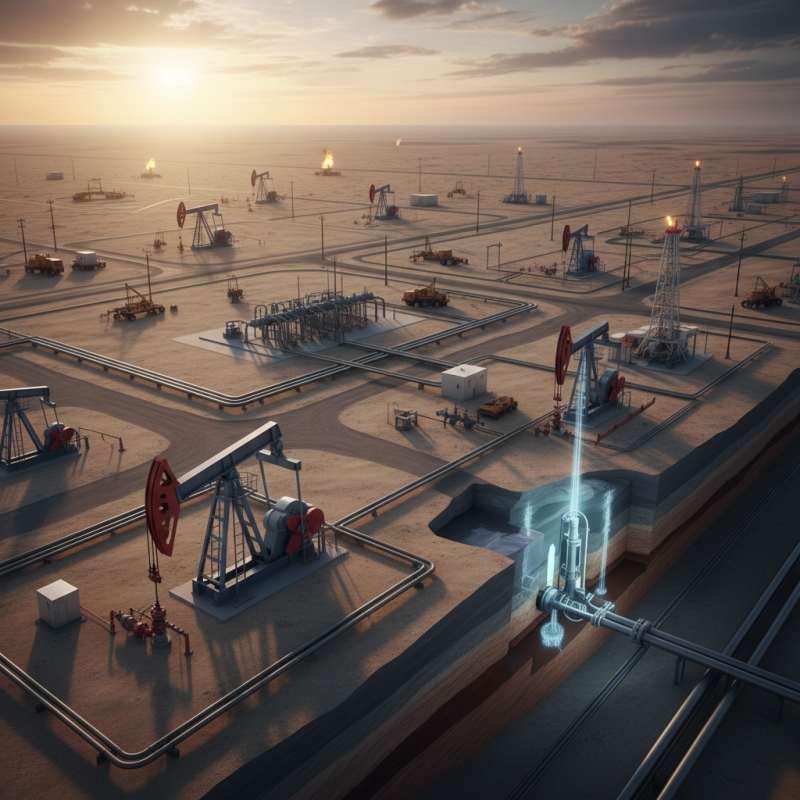
Overview of Artificial Lift Technologies in Oil Production
Artificial lift technologies play a crucial role in oil production. These methods help move hydrocarbons from the reservoir to the surface. According to the International Energy Agency (IEA), over 30%of global oil production relies on Artificial Lift Systems. This highlights their importance in maintainingefficient extraction processes.
There are various artificial lift methods. Common techniques include rod pumping, gas lift, and electric submersible pumps (ESPs). Each method has its own advantages and limitations. For instance, *rod pumping* is simple but may struggle in high-water-cut wells. Conversely, *ESPs* offer high efficiency but require significant energy input. Industry reports indicate that more than 80% of new wells utilize some form of artificial lift technology. This trend indicates a growing reliance on advanced methods for maximizing production.
Despite the advancements, challenges remain. The initial cost of these systems can be high. Regular maintenance is also essential to ensure reliability. Operators must weigh these factors against production gains. There is always room for improvement in these technologies. As the market demands efficiency, innovations continue to emerge, but gaps in performance exist.
Types of Artificial Lift Systems and Their Applications
Artificial lift systems play a crucial role in oil and gas extraction. Different types of artificial lift technologies enhance production efficiency in various environments. The most common systems include beam pumps, electrical submersible pumps (ESPs), and gas lift systems.
Beam pumps rely on a mechanical rod lift system. They are effective in shallow wells and have been widely used for decades. However, they can wear down quickly due to harsh conditions. ESPs, on the other hand, are used for deeper wells. These pumps can handle high volumes but require significant power. In some cases, their installation and maintenance can be challenging.
Gas lift systems utilize injected gas to reduce fluid density. This method can improve production in wells with high gas-to-oil ratios. However, managing the gas and ensuring a steady supply can be complex. Each artificial lift technology comes with unique pros and cons, necessitating careful consideration of well specifics and environmental conditions.
Top 10 Artificial Lift Technologies You Should Know About
This chart illustrates the applications per type of artificial lift technology in the oil and gas industry. Each type has its unique advantages and suitability depending on the specific well conditions. Understanding these technologies can help optimize production strategies.
Advantages and Disadvantages of Each Artificial Lift Technology
Artificial lift technologies play a crucial role in oil and gas extraction. Each technology has its own set of advantages and disadvantages. For instance, Electric Submersible Pumps (ESPs) are known for their high efficiency. They can increase production rates significantly but have high installation and maintenance costs. A study shows that ESPs can increase output by up to 80% in certain conditions, which is impressive.
On the other hand, Rod Pumping is a time-tested method. It is simple and relatively inexpensive. However, it may struggle in wells with high viscosity or gas issues. Reports indicate that about 30% of oil wells still use this method, yet its limitations can hinder performance. Gas Lift, meanwhile, is effective for low-pressure wells. While it increases production, it requires a reliable supply of gas, which may not always be available.
More advanced methods like Progressive Cavity Pumps (PCPs) offer versatility. They handle various fluid types well, making them adaptable. Yet, they can also face wear issues over time, leading to more frequent replacements. As the industry evolves, understanding these technologies' strengths and weaknesses becomes vital for operational efficiency. Each technology poses unique challenges that need careful consideration.
Recent Innovations in Artificial Lift Solutions
Recent advancements in artificial lift technologies are reshaping the oil and gas industry. According to a recent report by the International Energy Agency, artificial lift systems account for nearly 90% of oil production in mature fields. Enhancements in these technologies have led to significant cost reductions. For example, the use of smart sensors and IoT devices allows for real-time monitoring and optimization, helping reduce downtime.
One notable trend is the rise of electric submersible pumps (ESPs). These pumps are increasingly efficient, sometimes achieving over 90% reliability in various conditions. Despite their benefits, they can be difficult to maintain in extreme environments. Operators must grapple with the challenges of corrosion and scaling, which can impact performance. Additionally, the industry faces the need for skilled personnel to manage these advanced systems.
Another innovation is gas lift technology, which is adapting to low-pressure wells. This method permits better management of gas and reduces fluid loading. Data suggests that using gas lift can improve production rates by up to 30%. However, the technology is not without its pitfalls. Over-reliance on gas lift might lead to increased operational costs and maintenance complexities if not managed properly. The balance between innovation and operational realities remains a critical area for further exploration.
Key Factors in Selecting the Right Artificial Lift Method
Selecting the right artificial lift method is crucial for optimizing production in oil and gas. There are several key factors to consider. Understanding reservoir characteristics is essential. For example, the temperature and pressure directly influence lift efficiency. Reservoir data can reveal if you need a gas lift, rod pump, or another method.
Economics also play a significant role. A 2022 industry report highlighted that around 30% of operational costs are linked to artificial lift systems. Selecting a method that aligns with budget constraints is vital. Operators must evaluate maintenance costs and downtime. These expense considerations shape the overall return on investment.
Additionally, the produced fluid's properties are paramount. High viscosity fluids may require specialized lift technologies. A study showed that using a conventional lift on viscous oil can result in a production drop of over 40%. Some solutions may not fully address the challenges they claim to solve. Reflecting on past choices often reveals missed opportunities for efficiency. Balancing these variables can be complex, yet is essential for long-term success.





