


Alkaline Water Hydrogen Production Equipment is not a single machine. It is a coordinated system of electrolyzer stacks, power electronics, water treatment, gas separation, cooling, and safety controls. Choosing among the top ten options means looking beyond headline capacity. A compact skid may suit a pilot line, while a larger installation needs careful attention to footprint, service access, and operating flexibility. Small details matter. A filter change can affect uptime. So can the placement of a valve or sensor.
One transparency note: the following expert line is illustrative, not a verified quotation from a real person. It should not be published as a factual attribution. A useful engineering maxim, voiced here by the fictional composite specialist Dr. Elias Mercer, is: “A dependable hydrogen plant begins with stable water, balanced controls, and equipment that can be maintained.” The sentiment points to practical questions for any shortlist: What water quality does the supplier specify? How does the system handle variable renewable power? What performance data covers long-term operation, not just commissioning? Clear answers build confidence. Vague promises do not.
This guide compares ten equipment providers through capabilities, system design, service support, and stated operating parameters. It also distinguishes supplier claims from independently verifiable evidence, because those are not always the same. A ranking can help narrow the field, but it cannot replace engineering review. The right choice depends on project scale, site conditions, and the level of technical support available. Some trade-offs remain uncertain until vendors provide comparable data. That deserves a closer look.
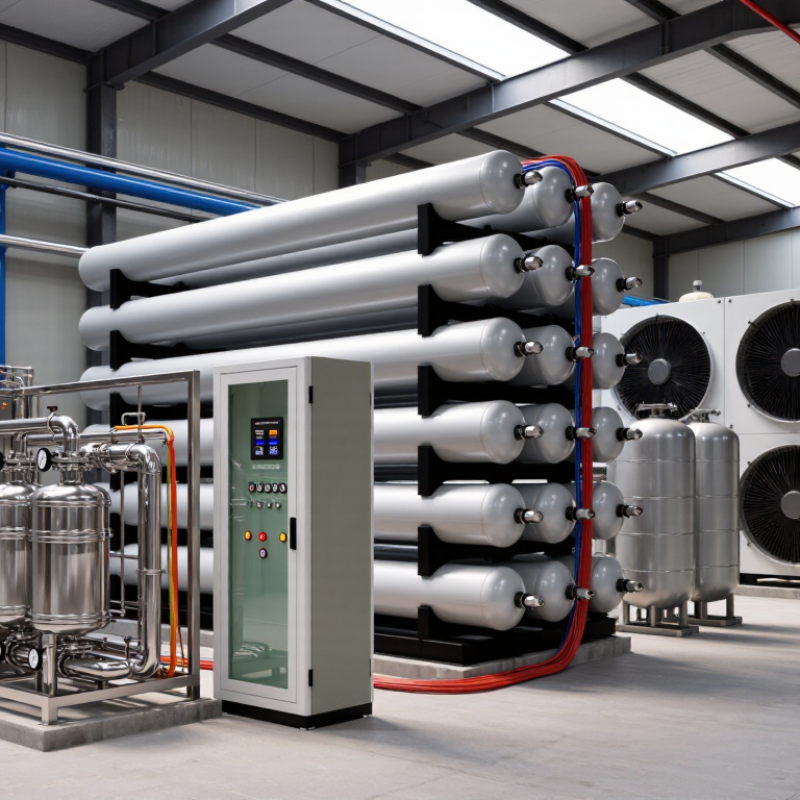
Alkaline water hydrogen production equipment uses electricity to split purified water into hydrogen and oxygen. In a typical system, two electrodes sit in an alkaline electrolyte, while a diaphragm helps keep the gases apart. Hydrogen forms at the cathode; oxygen forms at the anode. The output is hydrogen gas, not simply “hydrogen-rich drinking water.”
A complete setup may include a power supply, an electrolyzer stack, water-treatment components, gas separators, cooling equipment, and sensors. Controls monitor conditions such as temperature, pressure, and electrical current. Moisture removal may also be needed, depending on how the hydrogen will be used. Safety devices help detect leaks and manage operating limits. Details matter.
For example, mineral deposits in feedwater can affect performance, so water quality needs regular attention. Operators also inspect seals, connections, and electrolyte levels rather than relying only on screen readings. The equipment can look straightforward in a diagram, but real installations require careful design and maintenance. Not every system handles these tasks in the same way.

Top 10 Alkaline Water Hydrogen Production Equipment?
How Alkaline Electrolysis Produces Hydrogen
An alkaline electrolyzer uses direct current to split water into hydrogen and oxygen. Inside the cell, water reaches two electrodes separated by a porous diaphragm. At the cathode, water molecules gain electrons and form hydrogen gas and hydroxide ions. Those ions move through the alkaline electrolyte toward the anode. There, they release electrons and form oxygen. The diaphragm helps keep the gases apart while allowing ions to pass. Simple in principle. Not effortless in practice.
Equipment around the cell matters, too. A typical system includes a power supply, electrolyte circulation, water treatment, gas separators, cooling, and monitoring instruments. Operators track temperature, pressure, flow, and gas purity because changing conditions can affect performance and safe operation. Feedwater quality also matters; unwanted minerals may foul components over time. Real systems are less tidy than diagrams suggest, and small leaks or sensor drift can complicate readings. That detail is easy to underestimate.
Tips: Check the separator and sensors regularly. Keep water quality within the equipment maker’s specifications, and never ignore unusual heat, noise, or pressure changes. Compare hydrogen output with power use over time; one reading rarely tells the whole story. Alkaline electrolysis can be dependable, but maintenance still takes judgment.
The chart shows the theoretical hydrogen production of one electrolyzer cell at different current levels. It is calculated using Faraday’s law, assuming 100% current efficiency and gas volume at 0°C and 1 atm; actual output is lower due to system losses.
Alkaline hydrogen production relies on several connected equipment types, not a single machine. The electrolyzer stack contains repeating cells where water is split. Nickel-based electrodes carry the reaction, while a porous diaphragm separates the gases and allows ions to pass. A DC rectifier supplies controlled current. Stable power matters.
An electrolyte circulation pump moves the alkaline solution through the cells and helps maintain even operating conditions. Gas-liquid separators remove much of the liquid carried out with hydrogen and oxygen. A purification and drying unit reduces moisture and unwanted traces in the hydrogen stream. Feedwater treatment limits minerals that can foul equipment. Small details matter. In practice, water quality and maintenance intervals are easy to underestimate.
A cooling unit removes heat from the stack and circulating electrolyte. Instrumentation and control equipment monitors temperature, pressure, flow, and electrical conditions; safety interlocks can respond to abnormal readings. These ten equipment types work as a system, so sizing one component in isolation may cause operating problems elsewhere. Selection depends on required output, gas purity, operating pattern, and available utilities. The best layout is not always the neatest on paper.
| No. | Equipment Type | Main Function | Typical Characteristics | Key Selection Considerations |
|---|---|---|---|---|
| 1 | Alkaline Electrolyzer Stack | Uses direct current to split water into hydrogen and oxygen in an alkaline electrolyte. | Contains alternating electrodes and diaphragms; commonly operates with a potassium hydroxide solution at elevated temperature. Industrial operating temperatures are often around 60–90 °C, depending on the design. | Assess rated hydrogen output, operating pressure, current density, efficiency, turndown capability, and materials compatibility. |
| 2 | DC Rectifier and Power Supply | Converts incoming AC electricity into controlled DC power for the electrolyzer. | Designed for high-current, low-voltage operation, with electrical protection and adjustable output. | Check power rating, conversion efficiency, current ripple, cooling method, grid compatibility, and control-system integration. |
| 3 | Electrolyte Circulation Pump | Circulates alkaline electrolyte through the stack and associated process equipment. | Must handle hot, caustic liquid and maintain the flow needed for heat and gas management. | Confirm flow and head requirements, seal and material compatibility, temperature limits, and maintenance access. |
| 4 | Electrolyte Preparation and Storage Tank | Stores, mixes, or conditions the alkaline electrolyte used by the system. | Often fitted with level, temperature, and concentration monitoring; tank materials and linings must suit the electrolyte. | Consider working volume, corrosion resistance, safe filling and drainage, ventilation, and spill containment. |
| 5 | Hydrogen-Side Gas-Liquid Separator | Separates hydrogen gas from entrained electrolyte leaving the electrolyzer. | Uses gravity separation and, in some designs, internal demisting features to reduce liquid carryover. | Review pressure and temperature ratings, separation performance, drainage, instrumentation, and safe venting arrangements. |
| 6 | Oxygen-Side Gas-Liquid Separator | Separates oxygen from the electrolyte on the oxygen outlet side of the process. | Provides gas-liquid separation while maintaining separation between the hydrogen and oxygen circuits. | Check oxygen-service suitability, pressure rating, level control, materials compatibility, and safeguards against gas crossover. |
| 7 | Cooling and Heat-Exchange System | Removes process heat and helps keep the electrolyte and equipment within their operating temperature range. | May include heat exchangers, a cooling-water circuit, temperature sensors, and flow-control valves. | Size for the process heat load and site conditions; consider fouling, corrosion, temperature control, and cooling-water availability. |
| 8 | Hydrogen Purification and Drying Unit | Reduces moisture and, where required, removes residual oxygen or other impurities from the hydrogen stream. | May combine a deoxygenation stage with a dryer; the final gas quality depends on the process design and operating conditions. | Specify the required hydrogen purity and dew point, flow range, pressure, regeneration method, and monitoring requirements. |
| 9 | Water Treatment and Feed System | Prepares water to meet the electrolyzer’s feed-water requirements and supplies it to the process. | May include filtration, reverse osmosis, deionization, storage, and feed pumps, depending on incoming water quality. | Set water-quality limits from the electrolyzer design; consider pretreatment, product-water monitoring, and reliable supply. |
| 10 | Process Control, Instrumentation, and Safety System | Monitors and controls operating conditions and initiates alarms or shutdowns when required. | Typically monitors pressure, temperature, flow, liquid level, electrical conditions, and gas composition at relevant points. | Review alarm and trip logic, gas detection, emergency shutdown provisions, instrument suitability, and applicable safety codes. |
Note: Operating ranges and equipment configurations vary by system design, capacity, pressure rating, and applicable standards. Confirm project-specific requirements with the equipment design documentation.
Alkaline water electrolysis is often selected for steady, large-scale hydrogen production. IRENA’s 2020 Green Hydrogen Cost Reduction report lists indicative system sizes of 0.1–30 MW for alkaline equipment, 0.1–10 MW for PEM, and 0.01–0.5 MW for solid oxide systems. These are report-era ranges, not limits on today’s installations. Alkaline units suit continuous operation; PEM systems can respond faster to changing renewable power. Solid oxide equipment can use less electricity when supplied with suitable high-temperature heat, but that heat must be counted.
Efficiency figures need careful comparison. IRENA reports approximate electricity consumption of 50–78 kWh per kilogram of hydrogen for alkaline systems, 50–83 for PEM, and 40–50 for solid oxide systems. The last range is not directly comparable when heat input is excluded. That distinction matters. The International Energy Agency reported about 1.4 GW of installed electrolyzer capacity worldwide at the end of 2023, across technologies. Nameplate capacity alone does not show daily output: water quality, operating hours, temperature, and auxiliary equipment all affect performance. A rating plate is only a starting point. Project specifications should state whether efficiency includes pumps, purification, and power conversion; published figures do not always make this clear.
Choosing alkaline water hydrogen production equipment starts with the duty cycle, not the headline capacity. Estimate daily hydrogen demand, required purity, delivery pressure, and available power. Then compare the stack’s operating range with the actual renewable or grid profile. Frequent deep load changes can affect performance and maintenance needs. Check water-treatment requirements, cooling capacity, ventilation, gas separation, and electrolyte servicing before sizing the installation.
The IEA’s Global Hydrogen Review 2024 reports that installed water-electrolysis capacity reached about 1.4 GW worldwide by the end of 2023. That figure is a useful reality check: announced projects are not the same as operating experience. Ask suppliers for measured energy consumption, availability, and output under conditions close to yours—not just ideal test conditions. Review alarms, shutdown procedures, spare-part lead times, and how hydrogen purity is monitored. Small gaps in these details can become expensive.
Tips: Keep a simple log of power use, water quality, pressure, and unplanned stops. Compare results monthly. It is easy to overlook slow changes. Have trained personnel follow the equipment manual and site safety procedures, especially when handling alkaline electrolyte. Be cautious: a tidy specification sheet cannot predict every site’s operating conditions.


For those larger-sized parts, or smaller quantity runs, we have 2 independent powder coat booths and ovens. The quality, durability and affordability of today’s powder coating finishes make this the process of choice for world-class companies.
Powder coating advantages over other forms of coating are many. Materials used in the Powder coating process can be metals and non-metals that come in a multitude of thicknesses, textures, colors, etc. Another of Powder coating’s biggest advantages over conventional coatings is its ability to create finishes in many different textures. Powder Coating Booths allow us the ability to apply these advantages to large products.
Tri-State Fabricators runs a full-service conveyor line for painting. Wet painting can provide protection or decoration to many different part styles. From start to finish, every project is easier to undergo random and point-based inspection by our skilled painting team.
Advantages to our Wet Paint Line are these lines start with product prep and ends with a thorough inspection of a high quality finished product. Our ability to complete large and small projects with a superior finish and doing so in a timely and economical fashion. This passes along the savings in production to our customers. When powder coating ins not an option, our Wet Paint Line gets the job done right the first time.
When the parts get big and heavy we roll-out our custom paint racks and oversize booth. By utilizing our partnerships with all the major paint brands, we can match virtually any color with wet paint.
The advantages of having access to a Wet Paint Booth are many. Large projects of many different shapes can be loaded into the booth. The Wet Paint Booth offers an environment that is much more controlled than a typical parts painting operation.
Not only are they used because of their controlled environment, but they’re are also advantageous when it comes to applying paint to parts that are needed in industries that require specialty coatings such as medical, aerospace, etc.
Our military forces have some very high standards when it comes to the finish of their vehicles and equipment. From the first pre-treatment step to final coat, it takes a great deal of knowledge and experience to protect the men and women of our armed forces. They deserve only the best, and Tri-State Fabricators provides it.
All of our processes are closely monitored by our staff and management teams. Both of which are highly trained in the processes of metal fabrication and finishing. Tri-State Fabricators’ goal is to always fully satisfy each and every customer, including the military. We will always put a 110% into what we do.
Abrasive media blasting is an excellent way to remove old paint, rust, and increase the paint/powder adhesion. Glass beads produce a much smoother and brighter finish than angular abrasives; leaving the part clean yet without any dimensional change. Chemically inert and environmentally friendly, we can recycle our beads approximately 30 times; making them a more preferred method of metal cleaning or surface finishing.
Advantages to Glass Bead Blasting are many. Glass bead blast media is used when a project is needing rough surfaces need to become smooth for applications of coatings such as paint. It is typically used to clean paint and rust from a product surface without deforming the surface it is being used on. Overall, compared to many other blasting media, Glass Bead Blasting is a very economical choice and those savings are always passed on to our customers.
Tri-State Fabricators utilize a zinc phosphate wash to clean and etch the material to ensure the best paint adhesion possible. The unique design of our 3-stage wash system does the work like a 5-stage. From Cleaning and rinsing to conversion coating and post-treatment, Our Part Washing process is a complete service and works throughout the fabrication service and the finishing service.
Along with the previously mentioned benefits, Curing is a vital chemical reaction that leaves the product finish hard and relatively safe from mild abrasion and aggressive corrosion. This process can be done in more than one way; ambient air-dry or in curing ovens at temps that exceed 240°.
From fixing paint mistakes (someone else’s of course) to simply cleaning our paint line hooks, our burn-off oven is put to good use. After a quick burn-off, a little clean up, and a fresh coat of paint, your parts will look better than new.
Why does our Burn-Off Oven work so well? Because super heating the air around parts turns the materials into ashes. From paint and powder coatings to rubber and machining oils, high temps do the job without degrading the integrity of the part.
Masking is a vital part of producing high quality products. We have die-cut masking patterns to protect machined surfaces as well as a wide range of plugs and caps to protect threaded holes and bolts. We provide permanent and temporary masking.
Masking allows the selected sections of a product to be protected from a fabrication or finishing service. This can be with both chemicals when etching and tapes, paints when only finishing just a section of the product. Masking is great in aiding the customization process of a project.
Screen printing is a photographic process that transfers artwork onto a porous nylon screen which allows colored ink to flow through the screen and be deposited on an aluminum or plastic component. We can generally have just about any design created onto a screen for your parts.
Some of the advantages of Screen Printing are, brand recognition for your business displaying on your products, assembly instructions, product warnings/hazards, etc. Tri-State Fabricators produces Screen Printing of the highest quality so you know it’s durable.
Metal Finishing is the art of treating the exterior portion of product, often metal but can also be made of other materials, so that the surface is clean and free of any debris. Then the process of applying coats or either paint of powder coat takes place. This coating process improves the quality of the product in both appearance and resistance to wear and corrosion.
Tri-State Fabricators, Inc., understands that a project typically isn’t complete until a high-quality finish has been added to your product. This is why our painting and powder coating teams continuously inspect the products throughout the Metal Finishing process.

