Top Tips for Sourcing a Continuous Pyrolysis Plant?
The demand for sustainable solutions has led to increased interest in the Continuous Pyrolysis plant. This technology efficiently converts waste into valuable resources, aligning with global sustainability goals. According to a report by the Global Waste Management Market, the industry is expected to reach $2 trillion by 2025, highlighting significant opportunities.
Investing in a Continuous Pyrolysis plant involves careful consideration. Factors like feedstock availability, energy consumption, and equipment reliability must be assessed. Many businesses underestimate the complexity of sourcing these plants. Having a reliable supplier is crucial. It can affected future operations.
Efficiency and productivity rely on well-designed plants. Reports indicate that facilities with advanced technology can achieve 85% conversion rates, yet, maintenance challenges remain. A successful investment in a Continuous Pyrolysis plant requires thorough research and understanding of the market. A strategic approach can mitigate risks and enhance operational outcomes.
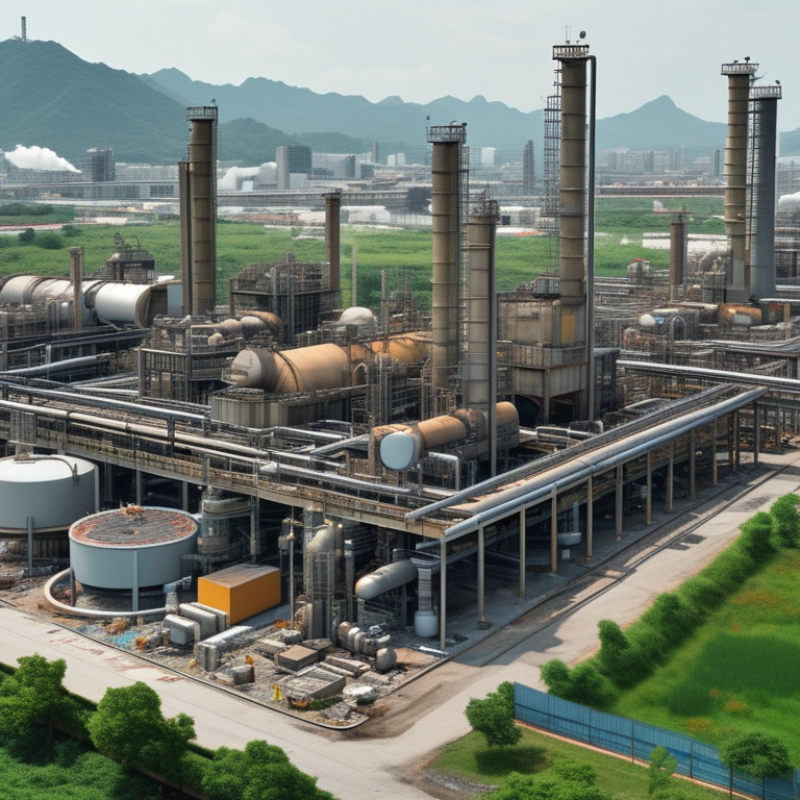
Understanding Continuous Pyrolysis Technology and Its Applications
Continuous pyrolysis technology has gained traction due to its ability to convert waste materials into valuable products. This process works by heating organic materials in an oxygen-free environment. It results in oils, gases, and char, which can be utilized in various industries. Understanding how to implement this technology effectively can enhance waste management solutions and foster sustainable practices.
When exploring applications, it’s essential to consider the types of feedstock. Biomass, plastics, and rubber are common options. Each material reacts differently under pyrolysis, producing diverse outputs. It’s crucial to assess the quality and characteristics of these feedstocks. Finding reliable suppliers who can provide uniform material is key to achieving consistent results.
While pursuing continuous pyrolysis solutions, keep in mind potential challenges. Equipment can be costly, and sourcing the right technology requires research. There are varying degrees of efficiency across different models. Implementation, too, can encounter obstacles such as regulatory compliance. Ensuring safety and environmental standards must remain a priority. Balancing these factors will create a more effective and responsible pyrolysis operation.
Top Tips for Sourcing a Continuous Pyrolysis Plant
| Tip | Description | Considerations |
| Understand Technology | Gain a comprehensive understanding of continuous pyrolysis technology and its benefits. | Research technical specifications and operation processes. |
| Evaluate Suppliers | Assess the experience and reputation of different suppliers in the industry. | Look for customer testimonials and case studies. |
| Check Compliance | Ensure that the plant complies with local regulations and environmental standards. | Stay updated on relevant laws and environmental guidelines. |
| Consider Scalability | Evaluate if the plant can be scaled up or down based on production needs. | Plan for future market demands and growth potential. |
| Technical Support | Ensure the supplier offers comprehensive technical support and maintenance services. | Consider training options for your staff as well. |
| Cost Analysis | Conduct a thorough cost analysis, including installation and operational costs. | Compare costs against potential returns on investment. |
| After-Sales Service | Inquire about the after-sales service offered by the supplier. | Assess warranty terms and service response times. |
Key Factors to Consider When Sourcing a Pyrolysis Plant
When sourcing a continuous pyrolysis plant, several key factors must guide your decision. First, consider the plant's technology. It’s crucial to understand the different pyrolysis processes available. Some use batch processes, while others operate continuously. This affects efficiency and output quality. Research the latest advancements in pyrolysis technology. Efficiency impacts your return on investment.
Next, assess the supplier’s experience and credibility. Look for suppliers with a solid track record. Check their history in the industry and ask for client references. This step can save you from potential complications later. A reputable supplier can provide insights and support throughout the process.
Finally, evaluate the plant’s scalability. Your needs may change over time. You should choose a plant that can adapt to future demands. Flexibility in operation can be vital for long-term success. Additionally, consider the overall cost of ownership. Sometimes, cheaper options can lead to higher maintenance costs. Thoroughly analyze these aspects before making a decision. Seek feedback from existing users to gain practical insights.
Evaluating the Credibility of Pyrolysis Plant Manufacturers
When sourcing a continuous pyrolysis plant, evaluating the credibility of manufacturers is crucial. Start by researching their experience in the field. Look for companies that have been operational for several years. Longevity often indicates a stable and reliable business. Check if they have a solid track record of successful installations. Experience matters.
Verify their certifications and compliance with industry standards. Credible manufacturers should have relevant quality certifications. You should also seek references or case studies. Speaking to past clients will provide insights into the manufacturer's reliability. Pay attention to customer feedback on both performance and support.
Consider the technology they use. It should be innovative yet proven. Investigate if the manufacturers provide clear technical documentation. Lack of clarity can raise red flags. Lastly, be aware of the initial costs and ongoing support. High upfront costs don’t always guarantee quality. Reflection on these factors can lead to informed decisions.
Assessing Technical Specifications and Performance Metrics
When sourcing a continuous pyrolysis plant, the technical specifications and performance metrics are critical factors to consider. These features directly influence the efficiency and output quality of the system. For instance, the feedstock capacity of the pyrolysis unit is a vital metric. Plants that handle diverse materials often demonstrate a higher overall performance, which can be quantified. According to recent industry reports, facilities with a processing capacity above 5 tons per hour typically achieve a 15-20% higher energy recovery rate compared to smaller units.
Another essential technical specification to review is the operational temperature range. Effective pyrolysis typically occurs between 400°C to 800°C. However, systems that can maintain optimal temperatures can produce higher yields of bio-oil and char. Data shows that maintaining precise temperature control can improve yield efficiency by up to 25%. Additionally, energy consumption metrics should not be neglected. The best plants use advanced heat recovery systems, reducing energy use by 30% or more.
Moreover, it's essential to reflect on the plant's emissions profile. Many facilities struggle to meet regulatory standards, impacting their operational licensing. Not all continuous pyrolysis plants can achieve a low environmental footprint. As a consequence, assessing technologies that minimize emissions is paramount. Industry studies emphasize that integrating scrubber systems can cut harmful emissions by 40%, making a strong case for investing in the right technology.
Analyzing Cost-Effectiveness and Return on Investment
When sourcing a continuous pyrolysis plant, cost-effectiveness and return on investment (ROI) are critical factors. Investing in a pyrolysis plant involves initial capital, operational costs, and potential revenue from processed materials. Understanding these aspects will help in making smart financial decisions. Evaluate equipment efficiency, energy consumption, and maintenance requirements to assess overall costs effectively.
It is vital to conduct a thorough analysis. Start by estimating the expected yield from your input materials. Consider the market price of the end products. This will determine your potential revenue. If prices fluctuate, your ROI might dwindle. Take time to understand local regulations and their impact on operational costs.
Remember, every decision carries risks. Suppliers may not deliver quality equipment, leading to unexpected downtime. Monitoring market trends will help mitigate this risk. Be prepared for challenges. Hence, carefully weigh your options before making any commitments. Each factor contributes to the overall success of your investment in a pyrolysis plant.





