Essential Tips for Sourcing Ceramic Components Globally?
Sourcing Ceramic Components globally is increasingly vital for many industries. These components are essential for various applications, including electronics, automotive, and medical devices. Understanding how to find reliable suppliers can be challenging. It requires knowledge and strategic planning.
Navigating the global market for Ceramic Components can lead to a myriad of choices. However, not all suppliers meet quality standards. This reality can complicate decision-making processes. Research and due diligence are crucial. It’s crucial to assess every potential supplier’s capabilities and reputation.
Building relationships with producers in different countries enhances your sourcing efforts. Effective communication and trust can lead to better outcomes. The quest for high-quality Ceramic Components may face hurdles. However, the right approach can minimize risks and improve reliability. Emphasizing quality, consistency, and supplier integrity is essential for success.
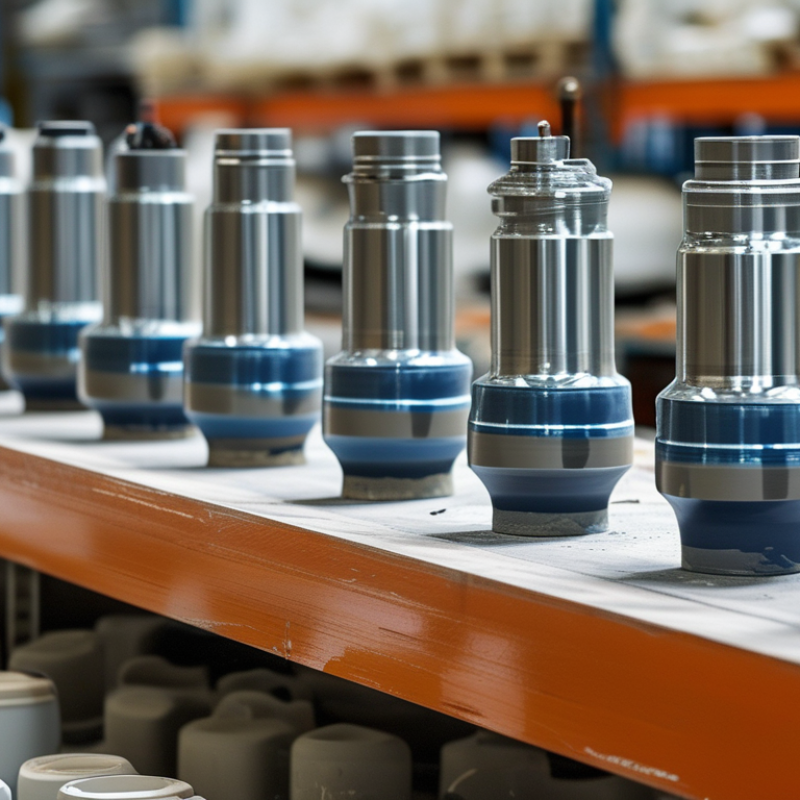
Understanding the Global Ceramic Component Market Landscape
Understanding the global ceramic component market landscape requires a keen insight into various factors. Different regions excel in specific types of ceramics. For instance, Asia dominates the production of fine ceramics due to advanced manufacturing techniques. In contrast, Europe leads in high-tech ceramics for specialized applications.
Sourcing ceramic components means navigating a complex web of suppliers. Not every manufacturer meets quality standards consistently. Establishing relationships with reliable suppliers is crucial. This often involves regular audits and site visits. It’s a commitment that can mitigate risks and enhance product quality.
Market demand also fluctuates significantly. Economic trends can drive prices up or down. Understanding local regulations and certifications is essential in this context. Failure to comply can lead to costly mistakes. Comprehensive research is a necessity to achieve success in this dynamic market.
Identifying Reliable Ceramics Suppliers Worldwide
Finding reliable ceramics suppliers globally is crucial for businesses looking to source ceramic components. According to a recent market report by Grand View Research, the global ceramics market is expected to reach $221.53 billion by 2027. This growth emphasizes the need for companies to identify trustworthy suppliers that can meet increasing demand.
Start by exploring industry-specific directories and trade platforms. They provide a wealth of information about potential suppliers. Look for those with established reputations and verifiable track records. Check certifications and quality standards. Industry certifications, like ISO 9001, can indicate reliability. Yet, a supplier's website may not reflect their actual capacity or quality. Visiting manufacturing facilities may provide insights that online information cannot offer.
Don’t ignore reviews and testimonials from other businesses. Investigate past performance. Are their products consistently meeting specifications? Ask for samples before placing large orders. This helps mitigate risks.
It’s also wise to consider suppliers' locations. Proximity can impact shipping costs and lead times. However, a local supplier may not always have the best capabilities. Evaluate trade-offs carefully. In sourcing, balancing quality, cost, and reliability remains a challenging yet essential endeavor.
Evaluating Quality Standards for Ceramic Components
When sourcing ceramic components globally, evaluating quality standards is essential. Quality is a key factor that influences performance and durability. The first step is to understand the specific requirements for your application. Different applications demand different properties, so clarity is crucial.
Investigate the certifications relevant to ceramics. Look for ISO certification or adherence to industry-specific standards. This can indicate a manufacturer’s commitment to quality. Consider visiting production facilities if possible. This allows for firsthand observation of processes and quality control measures. Asking for documentation and test results can also provide valuable insights.
Be prepared to face challenges during this process. Not every manufacturer may meet your expectations. Communication barriers can arise when dealing with suppliers overseas. Misunderstandings about specifications could lead to complications. It's important to develop a checklist to evaluate potential partners thoroughly. Always remain vigilant in your assessments and ready to adapt your strategies as needed.
Logistics and Shipping Considerations for Ceramic Imports
When sourcing ceramic components globally, logistics and shipping considerations are crucial. Importing ceramics involves understanding shipping regulations, customs clearance, and transport methods. These factors can significantly impact delivery times and costs. According to industry reports, delays in shipping can increase overall expenses by up to 20%.
Choosing the right shipping partner matters. Different carriers have varying strengths in handling fragile materials. Inadequate packaging can lead to damage during transit, causing unexpected expenses and delays. A study indicated that nearly 5% of shipments face damage due to poor packing methods. It’s vital to invest in quality packing materials to minimize losses.
Monitoring global shipping trends is essential. Data from the World Trade Organization reveals that shipping costs for ceramics have risen by 15% in recent years. This increase directly affects pricing strategies. Understanding these dynamics can help manufacturers adjust their sourcing strategies. Balancing cost and reliability is often a challenge, requiring constant evaluation of suppliers and shipping methods.
Essential Tips for Sourcing Ceramic Components Globally - Logistics and Shipping Considerations for Ceramic Imports
| Aspect | Considerations | Best Practices |
| Supplier Selection | Evaluate suppliers based on quality standards, certifications, and capacity. | Conduct audits and prefer suppliers with a good track record. |
| Cost Analysis | Consider the total cost including shipping, tariffs, and handling fees. | Perform detailed cost breakdowns to avoid hidden fees. |
| Shipping Options | Choose between air freight, sea freight, or courier services based on urgency and budget. | Consider a mix of shipping methods for cost-efficiency. |
| Customs Regulations | Understand import regulations and tariffs of the destination country. | Work with a customs broker to ensure compliance. |
| Quality Assurance | Establish quality checks at various stages of production and shipping. | Implement a documented quality control process. |
| Insurance | Evaluate shipping insurance to mitigate loss or damage risks. | Always insure high-value shipments. |
Navigating Cultural Differences in Global Sourcing Practices
When sourcing ceramic components globally, cultural differences play a pivotal role. According to a recent study by Deloitte, 72% of companies reported that understanding local customs impacted their sourcing success. This highlights the necessity of cultural intelligence in the sourcing process. For example, in some cultures, direct communication is valued, while in others, subtlety and non-verbal cues are more significant. Misinterpretations can lead to serious setbacks, such as failed negotiations or damaged relationships.
When engaging suppliers from various regions, remember that negotiation styles differ widely. In collectivist cultures, building relationships before discussing business is common. This contrasts with more individualistic cultures, where transactions may be more straightforward. According to McKinsey, 65% of executives noted that cultural awareness directly correlates with improved supplier collaboration. Investing time in understanding cultural nuances can enhance partnerships, although many firms often overlook this aspect.
Establishing trust is crucial in global sourcing. Multinational teams frequently face challenges due to varied work ethics and expectations. Some cultures may value punctuality and deadlines, while others might prioritize relationship-building over timeliness. The confusion this creates can lead to conflicts. Companies must acknowledge these differences and adopt flexible strategies. A 2022 report by PwC revealed that firms that embrace cultural training see a 25% increase in project efficiency. This suggests that enlightening teams on cultural sensitivity can yield tangible benefits.





