Essential Tips for Selecting Flange Hexagon Bolts?
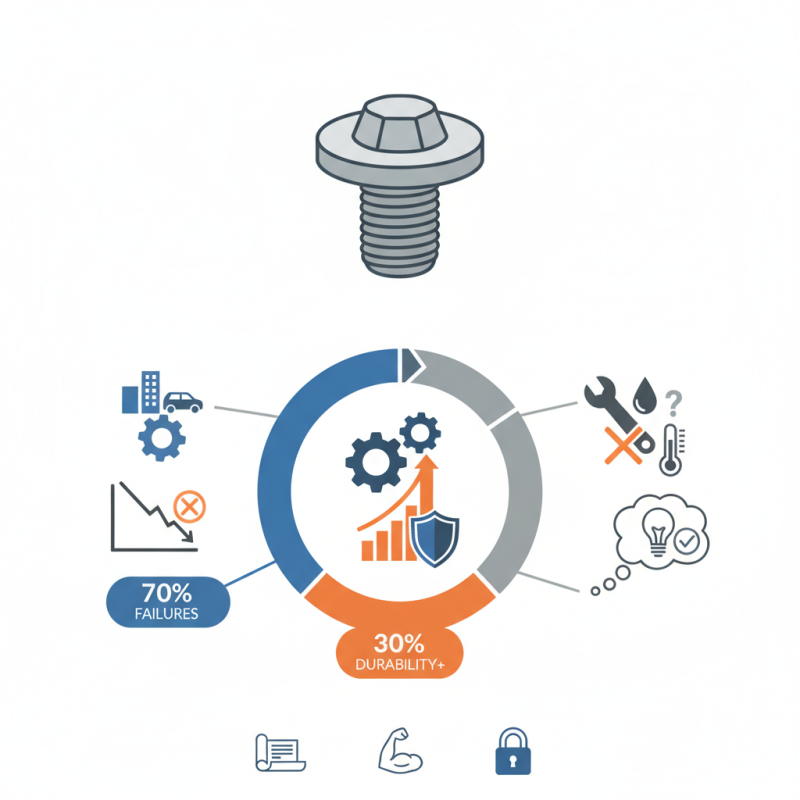
Selecting flange hexagon bolts is critical in various industries, including construction, automotive, and manufacturing. According to a recent industry report, over 70% of structural failures in mechanical systems arise from improper fastening techniques. This highlights the importance of choosing the right bolts to ensure safety and reliability.
Flange hexagon bolts provide superior clamping force and load distribution. These attributes are particularly important when connecting multiple components. Research shows that the correct selection can increase joint durability by up to 30%. However, many engineers overlook factors like material compatibility and environmental conditions. Such oversights can lead to costly repairs and operational delays.
Understanding the nuances of flange hexagon bolts is essential for mechanical integrity. As you make your selections, consider the specific application demands and potential stress factors. Reflect on past failures while aiming for improvement. Choose wisely to ensure lasting performance and safety in your projects.
Understanding Flange Hexagon Bolts: Definition and Purpose
Flange hexagon bolts play a crucial role in many engineering applications. These fasteners feature a flanged head, providing additional stability and load distribution. They are commonly used in construction, machinery, and automotive industries. According to industry reports, the global demand for flange bolts has increased by approximately 5% annually. This growth highlights their importance in ensuring structural integrity.
When selecting flange hexagon bolts, consider the material and coating. Stainless steel offers excellent corrosion resistance. However, it may not be ideal for high-temperature applications. Carbon steel is economical but requires protective coatings to prevent rust. Aim for a balance between strength and environment compatibility.
Tip: Always evaluate the load requirements before making a selection. This helps prevent structural failures. Another tip is to consult with suppliers about the latest standards and specifications. Flange hexagon bolts must adhere to industry norms such as ASTM or ISO. These standards ensure quality and efficacy.
Ultimately, ensure your choice aligns with the specific needs of your project. Remember, even small imperfections in selection can lead to significant issues over time. Always prioritize reliability in your fastener choices.
Key Factors to Consider When Selecting Flange Hexagon Bolts
When selecting flange hexagon bolts, understanding specific factors is crucial for success. Consider the material first. Steel is durable, but aluminum can be lighter. Each choice impacts performance in different environments. For instance, corrosion resistance is essential in wet conditions. Select materials that suit your project’s needs.
Next, pay attention to dimensions. Measure the bolt length and diameter accurately. A flange hexagon bolt should fit snugly in its intended space. An ill-fitted bolt can lead to failure. Think about load requirements. The bolt must support the weight or pressure it will face. This aspect is often overlooked but critical for safety.
Quality also matters significantly. Inspect manufacturing standards. Look for certifications that indicate reliability. Many overlook this during selection. It can save time and effort later. Lastly, examine usability. Check for installation simplicity. If a bolt is difficult to handle, it can affect overall efficiency. Each detail contributes to the project’s success.
Materials and Coatings: Choosing the Right Option for Your Needs
When selecting flange hexagon bolts, the choice of materials and coatings is crucial. Steel is common for its strength. Stainless steel offers superior corrosion resistance. Aluminum can provide lightweight options. Each material has specific advantages and should align with your project's environment.
Coatings can enhance performance. For instance, zinc plating will protect against rust. Hot-dip galvanizing adds extra durability, especially in wet conditions. Consider the working environment when choosing. Ask yourself, will this withstand harsh elements? Do you need aesthetics as well as performance?
Tips for selecting bolts include inspecting the material grades. Ensure they meet the standards required for your application. Always consider the load and stress levels. Improper choices can lead to failures. Reflect on the specific requirements of your project. A thorough evaluation can prevent costly mistakes.
Sizing and Strength: How to Determine the Proper Specifications
When selecting flange hexagon bolts, understanding sizing and strength is crucial. The diameter of the bolt is a primary factor. Measure the material you are working with to ensure a proper fit. Each application may require different diameters, like 8mm or 12mm. Additionally, considering bolt length is vital for a secure joint. Too short can lead to failure, while too long may create excess stress on the assembly.
Strength specifications are equally important. The material composition defines the tensile strength. Common choices include carbon steel and stainless steel. Carbon steel bolts can endure high loads but are susceptible to corrosion. On the other hand, stainless steel offers corrosion resistance but may have a lower tensile strength. Before purchasing, check the bolt grade. Higher grades indicate better strength and durability.
It’s also essential to account for environmental conditions. Are you working in a wet area? Or, will your application face extreme temperatures? Environmental factors can affect the longevity of bolts. Regular inspections of bolt connections ensure they remain secure and effective over time. Proper selection in the beginning can prevent costly errors later on. Always balance your choices of size and material with application requirements.
Essential Tips for Selecting Flange Hexagon Bolts: Sizing and Strength
Common Applications and Best Practices for Flange Hexagon Bolts
Flange hexagon bolts are essential in various applications, from construction to machinery assembly. Their broad head provides stability and better load distribution. You’ll find them in heavy equipment, automotive parts, and even furniture. These bolts ensure that connections are strong and secure, particularly in environments facing vibration or dynamic loads.
When selecting flange hexagon bolts, consider the material and finish. Stainless steel, for example, offers corrosion resistance, making it ideal for outdoor use. However, not all applications require that level of durability. Sometimes, common steel can suffice, especially in indoor environments. Pay attention to the environment where the bolts will be used.
Always tighten bolts to the manufacturer's recommended torque specifications. This prevents issues like stripping or breaking. Be mindful not to overtighten; this can lead to bolt failure. Regular inspections can help maintain integrity over time, especially in high-stress applications. Adopting best practices in installation aids in ensuring their longevity and reliability. The right choice of flange hexagon bolts leads to safer and more efficient assemblies.
Essential Tips for Selecting Flange Hexagon Bolts
| Dimension | Grade | Material | Common Applications | Best Practices |
| M8 | 8.8 | Carbon Steel | Automotive, Machinery | Use proper torque specifications |
| M10 | 10.9 | Alloy Steel | Construction, General Engineering | Ensure proper surface preparation |
| M12 | 12.9 | Stainless Steel | Aerospace, Marine Applications | Apply anti-seize compounds for ease of removal |
| M16 | 8.8 | Carbon Steel | Industrial Machinery, Heavy Load Equipment | Regularly check for signs of wear |
| M20 | 10.9 | Alloy Steel | Oil & Gas Industry, Energy Sector | Use washers to distribute load |





