


7 Tips for Choosing a Saudi Freight Forwarder?

Choosing the right Saudi Freight Forwarder can shape your shipment’s cost, timing, and customer experience. A reliable partner should understand Saudi import procedures, port operations, documentation, and inland delivery requirements. Experience matters at Jeddah Islamic Port, King Abdulaziz Port, and regional distribution centers. Small details often create large delays.

Look beyond attractive quotes. Ask how the company checks commercial invoices, packing lists, certificates, and shipment classifications. Request clear information about customs coordination, cargo insurance, tracking updates, storage fees, and delivery milestones. A professional forwarder should explain Incoterms in practical language, not hide behind technical terms. Verify its business credentials, service coverage, safety procedures, and recent customer references. Speak with the team that will manage your shipment. Sales promises are not enough.

Real performance appears during disruption. Delays happen. Communication matters more than perfect forecasts. Ask how the forwarder handles port congestion, damaged cartons, missing documents, or unexpected inspection requests through lawful procedures. Good partners provide written updates and realistic options. They do not guarantee impossible transit times. They also protect confidential shipment information and follow applicable Saudi and international trade rules.

No selection method is flawless. I have seen companies choose the lowest quote and later pay more for storage, rework, or missed delivery windows. That mistake is avoidable, but not always. Compare service details, not numbers alone. These seven practical tips will help you evaluate providers with greater confidence and choose a partner built for dependable, compliant logistics.
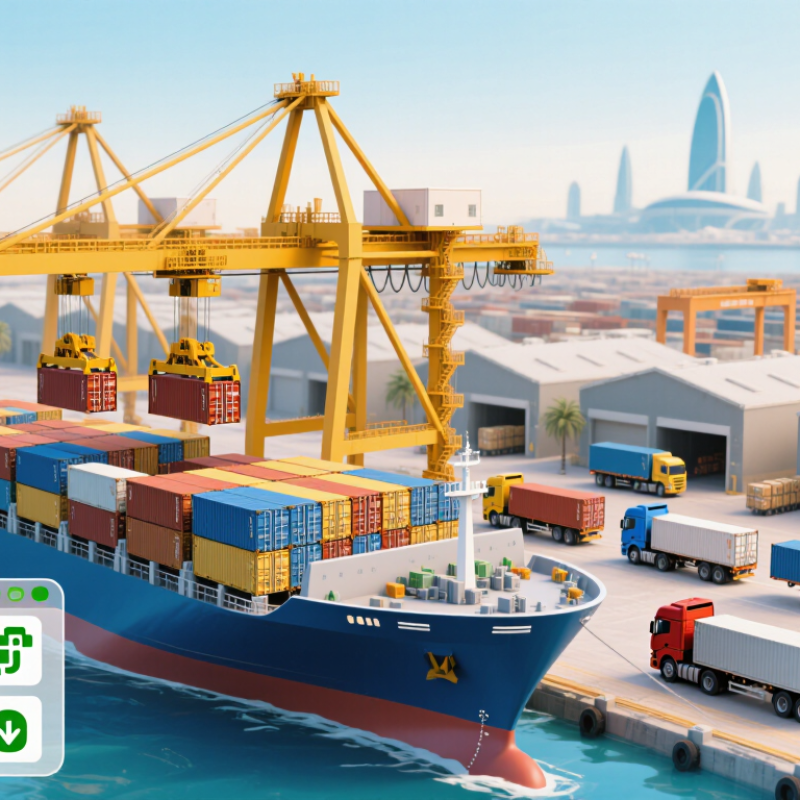
7 Tips for Choosing a Saudi Freight Forwarder?

Assess Your Shipping Needs and Saudi Route Requirements

7 Tips for Choosing a Saudi Freight Forwarder?

Assess your shipping needs before comparing freight forwarders. List the cargo type, dimensions, weight, value, temperature range, and delivery deadline. Then identify the correct Saudi route. Jeddah Islamic Port may suit Red Sea cargo, while Dammam may better serve Gulf destinations. Riyadh deliveries also require dependable inland transport. UNCTAD’s Review of Maritime Transport 2023 states that over 80% of global merchandise trade moves by sea. Port choice directly affects cost, transit time, and disruption risk.

Ask each forwarder for a route plan, not only a rate. The plan should show port handling, inland trucking, customs coordination, storage, insurance options, and contingency procedures. The World Bank Logistics Performance Index 2023 evaluates customs, infrastructure, logistics competence, tracking, and timeliness. Use these categories during your assessment. Request recent performance data for similar Saudi lanes. Check average transit time, clearance delays, damage claims, and delivery accuracy. Numbers reveal more than confident sales language.

Your documents should match the shipment precisely. Commercial invoices, packing lists, certificates, and product details need consistent information. A single mismatch can hold a container longer than expected. That is not always the forwarder’s fault, but a capable partner should identify the risk early. Beware of the cheapest quotation. It may exclude destination charges or final-mile delivery. Perfect forecasts do not exist. A practical forwarder explains assumptions, records exceptions, and updates you before problems become expensive.


Assess Your Shipping Needs and Saudi Route Requirements

Estimated sailing distances to key Saudi gateways can help you compare transit expectations, port suitability, documentation needs, cargo handling, and contingency planning when choosing a freight forwarder.

Approximate distances are rounded nautical-mile estimates based on publicly available port locations and typical sea-route planning. Actual sailing distances and transit times vary according to vessel schedules, transshipment, weather, congestion, and cargo requirements.

Verify Licensing, Experience, and Local Customs Expertise

7 Tips for Choosing a Saudi Freight Forwarder

Tip 1: Verify the forwarder’s licensing before discussing rates. Request registration details, transport permits, and valid insurance documents. Check whether the legal company name matches every quotation and contract. Small differences can create serious delays.

Tip 2: Examine practical experience with Saudi routes and your cargo type. Ask for recent examples involving ports, inland delivery, customs clearance, and document handling. An experienced team should explain commercial invoices, packing lists, certificates of origin, and product classifications clearly. Avoid vague promises. Ask who will handle your shipment after arrival.

Tip 3: Test local customs expertise with specific questions. How are Arabic labeling requirements reviewed? Which documents commonly need correction? What happens when customs requests clarification? Strong answers should reflect current procedures, not recycled advice. Rules can change, and even careful forwarders may miss an update. That is worth admitting. Request written guidance and confirm important details through official government channels. Compare the proposed timeline with realistic clearance conditions, including weekends, inspections, and inland delivery. A reliable forwarder should identify risks early, explain extra charges plainly, and keep records of each communication. References from comparable businesses can help, but ask when those shipments moved. Old success is not current proof.

Compare Service Coverage, Transit Options, and Carrier Networks

7 Tips for Choosing a Saudi Freight Forwarder?

Compare Service Coverage, Transit Options, and Carrier Networks

A reliable forwarder should cover more than Jeddah, Riyadh, and Dammam. Ask whether it serves your pickup and delivery locations directly. Confirm inland trucking reach, warehouse access, and delivery frequency before signing. A low quotation can hide long transfers between terminals. Request a written list of included services, surcharges, and handoff points.

Transit choices should match your cargo, deadline, and budget. Sea freight often suits planned shipments, while air freight supports urgent replenishment. Road transport can connect ports with inland destinations efficiently. Ask for typical transit ranges, not one attractive number. Check sailing frequency, flight availability, cutoff times, and procedures for delayed connections.

I once chose the cheapest route for a time-sensitive shipment. It looked efficient, but one missed connection damaged the schedule. That mistake changed how I compare delivery promises.

Carrier networks reveal a forwarder’s practical strength. Direct services may reduce handling, while carefully managed transshipment can offer better frequency. Ask how the company secures space during busy periods. Request evidence of tracking updates, claims handling, and performance records. Speak with two recent customers if possible. Details matter. A strong partner should explain exceptions clearly, admit weak lanes, and propose workable alternatives. Review the plan again after the first shipment, because real performance can differ from the sales discussion.

Evaluate Pricing, Transparency, Insurance, and Liability Terms

A Saudi freight forwarder’s quote should explain more than the headline rate. Ask for a line-by-line breakdown covering origin handling, documentation, customs support, storage, delivery, and possible surcharges. A low price can look attractive until a shipment waits at a terminal and daily storage fees appear. Request examples of when extra charges apply, and ask how you will be notified before they are incurred.

Transparency matters after booking, too. Confirm who provides shipment updates, how often they arrive, and what documents you will receive. A clear contact process can prevent small issues, such as a missing invoice detail, from becoming costly delays. Compare quotes using the same shipment weight, dimensions, route, and service scope. Otherwise, the comparison is shaky. I have seen a neat spreadsheet hide very different assumptions.

Review insurance and liability terms before handing over cargo. Ask what the policy covers, where coverage begins and ends, and whether declared value affects compensation. Do not treat carrier liability as full cargo insurance; limits, exclusions, and claim deadlines may differ. Request the policy wording and a sample claim checklist in writing. Check who must provide photos, packing records, and proof of value. If an answer feels vague, ask again. That may slow the decision, but guessing is worse. A forwarder’s confidence is useful; documented terms are better.

Review Technology, Communication, Reliability, and Customer Support

7 Tips for Choosing a Saudi Freight Forwarder

A capable freight forwarder should offer clear online tracking, not vague status messages. Test the platform with a sample shipment inquiry. Can you see milestones, document updates, and delivery estimates? Good technology reduces repeated emails, but it can still show outdated information. Ask how often tracking data refreshes and who corrects errors.

Communication matters when cargo moves through ports, warehouses, and inland routes. Request one knowledgeable contact for daily operational questions. Notice the response time before signing an agreement. Ask whether staff can explain customs documents in plain English. Arabic support may also help local coordination. Be careful with impressive promises. Real experience sounds specific, not perfect.

Reliability requires evidence. Request recent customer references from similar industries and comparable shipment volumes. Check how the forwarder handles delays, damaged cartons, and missed connections. Ask for a written escalation process. Customer support should remain available after payment, especially during weekends or urgent delivery changes. Confirm operating licenses, insurance coverage, and documented safety procedures through appropriate official channels. I once trusted a polished dashboard too quickly; the service looked modern, but updates arrived late. That mistake taught me to compare technology with actual response records. Choose a partner that communicates early, admits problems, and provides practical options. That is more valuable than a flawless sales presentation.

7 Tips for Choosing a Saudi Freight Forwarder? — Review Technology, Communication, Reliability, and Customer Support
Tip Evaluation Area What to Review Suggested Benchmark How to Verify Suggested Weight
1 Technology and Visibility Shipment tracking, milestone notifications, document access, electronic proof of delivery, and data export options. Real-time or milestone-based updates covering booking, departure, arrival, customs clearance, delivery, and exceptions. Request a live demonstration, sample tracking screen, notification workflow, and data-security documentation. 20%
2 Communication Clarity of contact channels, escalation procedures, operating hours, English and Arabic communication capability, and response ownership. A named account contact, written escalation path, and agreed response times for routine and urgent requests. Ask for a communication matrix and test response quality with a realistic shipment scenario before signing. 15%
3 Reliability and Performance On-time pickup and delivery performance, schedule consistency, exception handling, and operational continuity. Performance should be measured against agreed service levels, with separate reporting for delays caused by carriers, customs, weather, or documentation. Request anonymized performance reports, service-level definitions, and examples of corrective actions after delays. 20%
4 Customer Support Availability of support staff, claims handling, issue ownership, after-hours coverage, and follow-up after delivery. A documented claims process, clear case owner, ticket reference numbers, and defined resolution targets. Review the service handbook and ask how damaged, lost, delayed, or customs-held shipments are managed. 15%
5 Saudi Customs and Compliance Knowledge of import documentation, customs procedures, tariff classification, duties and taxes, restricted goods, and required permits. Document requirements should be provided before booking, with pre-clearance checks for shipments that may require additional approvals. Provide a sample shipment profile and ask for a written document checklist, assumptions, and potential compliance risks. 15%
6 Network and Operational Coverage Coverage of Saudi ports, airports, inland destinations, warehouses, last-mile delivery, temperature-controlled services, and multimodal options. The operating network should match the shipment route, cargo type, delivery location, and required transport mode. Request a route plan showing handover points, local partners, warehouse locations, and contingency options. 10%
7 Pricing and Contract Transparency Freight charges, handling fees, customs-related costs, storage, demurrage, detention, fuel adjustments, insurance, and cancellation terms. Every charge should be itemized, currency-defined, time-valid, and linked to clear conditions for additional fees. Compare at least three like-for-like quotations and request a total landed-cost estimate with exclusions clearly stated. 5%
Scoring guide: Rate each area from 1 to 5, where 1 means insufficient evidence and 5 means strong, independently verified capability. Multiply each rating by the suggested weight to create a transparent comparison score.

Powder Coat Booths

For those larger-sized parts, or smaller quantity runs, we have 2 independent powder coat booths and ovens. The quality, durability and affordability of today’s powder coating finishes make this the process of choice for world-class companies.

Powder coating advantages over other forms of coating are many. Materials used in the Powder coating process can be metals and non-metals that come in a multitude of thicknesses, textures, colors, etc. Another of Powder coating’s biggest advantages over conventional coatings is its ability to create finishes in many different textures. Powder Coating Booths allow us the ability to apply these advantages to large products.

Wet Paint Line

Tri-State Fabricators runs a full-service conveyor line for painting. Wet painting can provide protection or decoration to many different part styles. From start to finish, every project is easier to undergo random and point-based inspection by our skilled painting team.

Advantages to our Wet Paint Line are these lines start with product prep and ends with a thorough inspection of a high quality finished product. Our ability to complete large and small projects with a superior finish and doing so in a timely and economical fashion. This passes along the savings in production to our customers. When powder coating ins not an option, our Wet Paint Line gets the job done right the first time.

Wet Paint Booths

When the parts get big and heavy we roll-out our custom paint racks and oversize booth. By utilizing our partnerships with all the major paint brands, we can match virtually any color with wet paint.

The advantages of having access to a Wet Paint Booth are many. Large projects of many different shapes can be loaded into the booth. The Wet Paint Booth offers an environment that is much more controlled than a typical parts painting operation.

Not only are they used because of their controlled environment, but they’re are also advantageous when it comes to applying paint to parts that are needed in industries that require specialty coatings such as medical, aerospace, etc.

Military CARC

Our military forces have some very high standards when it comes to the finish of their vehicles and equipment. From the first pre-treatment step to final coat, it takes a great deal of knowledge and experience to protect the men and women of our armed forces. They deserve only the best, and Tri-State Fabricators provides it.

All of our processes are closely monitored by our staff and management teams. Both of which are highly trained in the processes of metal fabrication and finishing. Tri-State Fabricators’ goal is to always fully satisfy each and every customer, including the military. We will always put a 110% into what we do.

Glass-Bead Blasting

Abrasive media blasting is an excellent way to remove old paint, rust, and increase the paint/powder adhesion. Glass beads produce a much smoother and brighter finish than angular abrasives; leaving the part clean yet without any dimensional change. Chemically inert and environmentally friendly, we can recycle our beads approximately 30 times; making them a more preferred method of metal cleaning or surface finishing.

Advantages to Glass Bead Blasting are many. Glass bead blast media is used when a project is needing rough surfaces need to become smooth for applications of coatings such as paint. It is typically used to clean paint and rust from a product surface without deforming the surface it is being used on. Overall, compared to many other blasting media, Glass Bead Blasting is a very economical choice and those savings are always passed on to our customers.

Part Washing

Tri-State Fabricators utilize a zinc phosphate wash to clean and etch the material to ensure the best paint adhesion possible. The unique design of our 3-stage wash system does the work like a 5-stage. From Cleaning and rinsing to conversion coating and post-treatment, Our Part Washing process is a complete service and works throughout the fabrication service and the finishing service.

Along with the previously mentioned benefits, Curing is a vital chemical reaction that leaves the product finish hard and relatively safe from mild abrasion and aggressive corrosion. This process can be done in more than one way; ambient air-dry or in curing ovens at temps that exceed 240°.

Burn-Off Oven

From fixing paint mistakes (someone else’s of course) to simply cleaning our paint line hooks, our burn-off oven is put to good use. After a quick burn-off, a little clean up, and a fresh coat of paint, your parts will look better than new.

Why does our Burn-Off Oven work so well? Because super heating the air around parts turns the materials into ashes. From paint and powder coatings to rubber and machining oils, high temps do the job without degrading the integrity of the part.

Masking

Masking is a vital part of producing high quality products. We have die-cut masking patterns to protect machined surfaces as well as a wide range of plugs and caps to protect threaded holes and bolts. We provide permanent and temporary masking.

Masking allows the selected sections of a product to be protected from a fabrication or finishing service. This can be with both chemicals when etching and tapes, paints when only finishing just a section of the product. Masking is great in aiding the customization process of a project.

Screen Printing

Screen printing is a photographic process that transfers artwork onto a porous nylon screen which allows colored ink to flow through the screen and be deposited on an aluminum or plastic component. We can generally have just about any design created onto a screen for your parts.

Some of the advantages of Screen Printing are, brand recognition for your business displaying on your products, assembly instructions, product warnings/hazards, etc. Tri-State Fabricators produces Screen Printing of the highest quality so you know it’s durable.

Metal Finishing

Metal Finishing is the art of treating the exterior portion of product, often metal but can also be made of other materials, so that the surface is clean and free of any debris. Then the process of applying coats or either paint of powder coat takes place. This coating process improves the quality of the product in both appearance and resistance to wear and corrosion.

Tri-State Fabricators, Inc., understands that a project typically isn’t complete until a high-quality finish has been added to your product. This is why our painting and powder coating teams continuously inspect the products throughout the Metal Finishing process.
