Top Tips for Choosing the Right On Off Actuator Today?
Choosing the right On Off Actuator can be a daunting task. With so many options available, how do you ensure you make the best choice? According to industry expert Dr. Emily Carter, “Understanding the specific needs of your application is key to selecting the ideal actuator.” Her insights emphasize the importance of tailoring your selection process.
In the realm of automation and control systems, On Off Actuators play a critical role. They are essential in applications ranging from HVAC systems to industrial machinery. Ensuring optimal performance requires a clear grasp of various actuator types, sizes, and control mechanisms. Each application may have unique demands. This variability can lead to confusion for many.
Before making a choice, consider factors like torque requirements, response time, and compatibility with existing systems. These details significantly impact the actuator’s performance. Reflect on the long-term implications of your selection. Sometimes, decisions are not straightforward, prompting the need for reevaluation. Choosing the correct On Off Actuator is not just about specifications; it's about aligning the actuator to the specific needs of your project.
Understanding On Off Actuators: Types and Applications
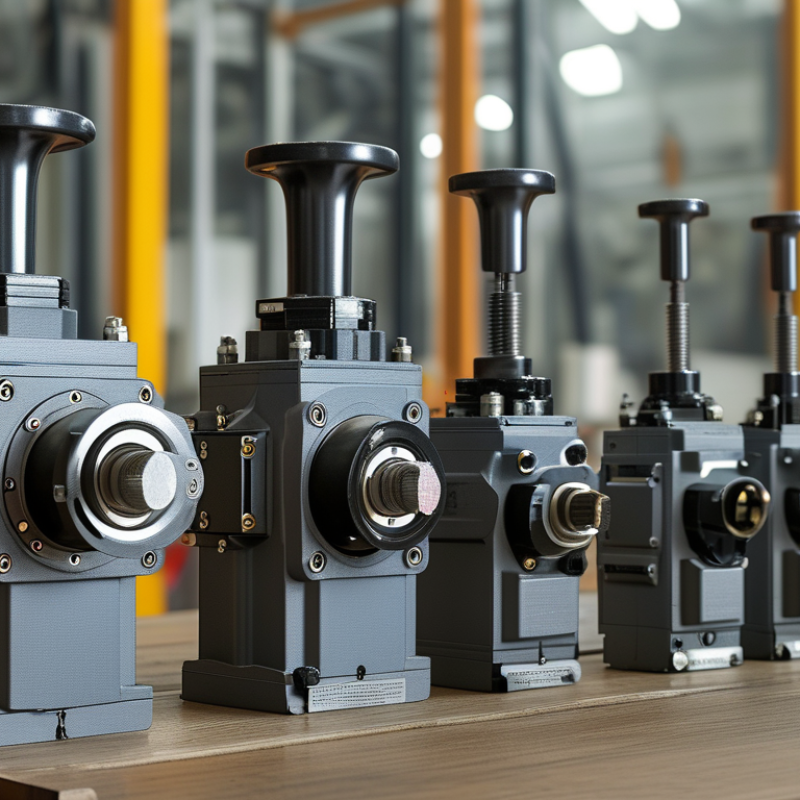
On-off actuators play a critical role in various industries. These devices control the flow or movement of systems. Common types include solenoid valves, electric actuators, and pneumatic actuators. Each type serves specific applications across sectors like manufacturing, HVAC, and automotive.
A report from MarketsandMarkets highlights that the global actuator market will reach approximately $85 billion by 2025. This growth is driven by rising automation and the need for efficiency. Electric actuators, in particular, are gaining popularity due to their precision. They can operate with less noise and lower power consumption compared to other types.
However, selecting the right on-off actuator is not straightforward. Factors such as duty cycle, operating environment, and load requirements complicate the decision. An actuator might excel in one application but perform poorly in another. Professionals must evaluate these factors carefully. Misjudgments can lead to inefficiency or equipment failure, which is costly.
Evaluating Key Specifications for On Off Actuators
When selecting an on/off actuator, several key specifications must be evaluated to ensure optimal performance. Consider factors like torque, speed, and size. The torque rating determines how much force the actuator can exert. A higher torque is necessary for heavier loads. Remember, oversizing may lead to energy inefficiencies.
Speed is another crucial aspect. Different applications may require varied response times. A quick actuator suits processes that demand rapid operation, while slower options might serve less urgent tasks effectively. Take time to assess the speed requirement of your specific application.
Lastly, size matters. An actuator that is too large may not fit your design constraints. Conversely, a small actuator might not deliver the required force. It's critical to measure available space accurately. This choice impacts installation and performance, thus influencing overall project success. Always reflect on the importance of aligning actuator specifications with project needs. A miscalculation here can lead to setbacks.
Assessing Control Systems Compatible with On Off Actuators
When selecting on-off actuators, it's essential to assess the control systems they will work with. Compatibility plays a critical role in ensuring efficient operation. Many control systems, such as PLCs and basic relays, can seamlessly interface with these actuators. However, not all systems are designed to support them equally.
Take time to evaluate the specifications of your control system. Check the voltage, current ratings, and signal type. An actuator that is not perfectly compatible can lead to reliability issues. Sometimes, the documentation does not provide clear guidance. In these cases, consulting with a technical expert can illuminate the path forward.
Also, consider the environment where the system operates. Will temperature fluctuations affect performance? Some applications may require extra protection for the actuator. Keeping these factors in mind can save time and resources. Make informed choices based on detailed evaluations, and be prepared to adapt if unforeseen challenges arise. This approach enhances the reliability of your on-off actuator setup.
Factors to Consider: Size, Weight, and Power Requirements
When selecting the right on-off actuator, size, weight, and power requirements are crucial. These factors greatly impact performance and efficiency. For instance, a larger actuator may provide more torque but might not fit in tight spaces. Assessing the application environment is essential. A compact design can enhance installation flexibility but often comes with trade-offs in power output.
Weight is another important consideration. Heavy actuators can lead to structural concerns, impacting overall system stability. On the other hand, very lightweight options may compromise durability. Striking a balance here is vital. Engineers must analyze the system’s demands carefully. Power requirements dictate the actuator's efficiency and operational costs. Underestimating these needs can lead to failures.
It's necessary to reflect on potential oversight as well. Sometimes, users focus too much on specifications without considering the overall system integration. This can result in devices that technically meet criteria but perform poorly together. Therefore, a holistic view is essential in the selection process. Always consider long-term impacts to avoid regrets later.
Top Tips for Choosing the Right On Off Actuator
Maximizing Efficiency: Maintenance and Troubleshooting Tips for Users
When it comes to on/off actuators, users often overlook maintenance and troubleshooting. Regular checks can significantly enhance the operability and lifespan of these devices. Ensure the actuator is free from dirt and debris. A clean actuator runs more efficiently and can prevent costly repairs.
Unexpected failures can disrupt operations. It’s crucial to listen for unusual sounds, which may indicate underlying issues. A quick inspection can prevent downtime. Also, keep an eye on the actuator’s response times. Slow performance can hint at internal wear or damage.
Documentation is key. Maintain a log of any maintenance activities and peculiarities noted during operations. This practice helps to identify patterns or recurring issues. Reflecting on the actuator’s history can aid in troubleshooting. Make it a habit to involve your team in this process. Collective input can lead to improved strategies and better overall performance.
Top Tips for Choosing the Right On Off Actuator Today? - Maximizing Efficiency: Maintenance and Troubleshooting Tips for Users
| Feature | Description | Benefits | Maintenance Tips | Troubleshooting Tips |
| Power Supply | Voltage and power requirements | Ensures compatibility with existing systems | Regularly check power connections | Inspect for voltage discrepancies |
| Speed & Torque | Operational speed and force generation | Optimizes performance for varying applications | Maintain lubrication for optimal speed | Check for obstructions affecting speed |
| Size and Weight | Physical dimensions and mass | Facilitates integration in compact spaces | Ensure proper mounting to avoid vibrations | Verify secure placements during operation |
| Operating Environment | Conditions such as temperature and humidity | Increases reliability in specific conditions | Use protective covers in harsh environments | Monitor environmental factors affecting operation |
| Control Type | Electromechanical vs. pneumatic options | Allows for tailored control solutions | Regular checks on control systems for faults | Test control circuits for responsiveness |





