Construction Screws Tips for Choosing the Right Fasteners?
In the construction industry, selecting the right fasteners is crucial for structural integrity. Construction Screws have become increasingly popular due to their superior holding power and versatility. According to a recent report by the Fastener Quality Act, up to 30% of construction failures can be attributed to improper fastening choices. This emphasizes the importance of understanding the various options available.
Expert John Steele, a renowned authority in fastener technology, states, "Choosing the right construction screws can make or break your project." His insight highlights the significant impact that fastener selection has on construction quality and longevity. There are many types of construction screws, each designed for specific applications. For instance, composite decking screws or self-drilling screws require particular attention to ensure efficacy.
While many contractors may overlook the nuances of screw selection, doing so can lead to costly mistakes. It is vital to consider factors like materials, lengths, and coatings. With a myriad of options, the decision process can feel overwhelming. However, informed choices is what sets apart a successful project from a failing one. An understanding of construction screws not only enhances project outcomes but also ensures safety and reliability.
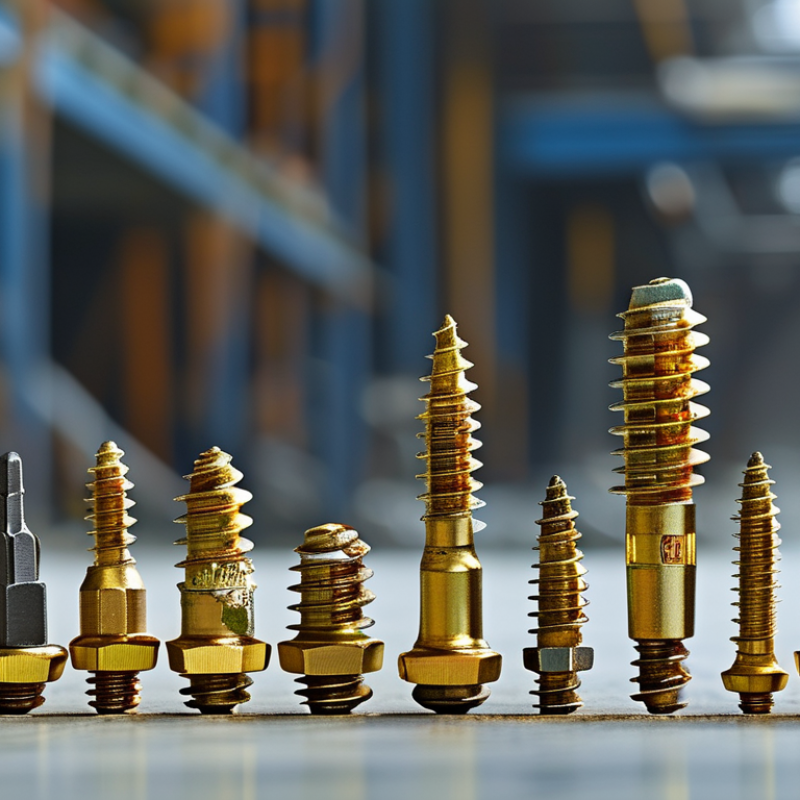
Factors to Consider When Choosing Construction Screws for Projects
When choosing construction screws, several factors matter. The material of the screw impacts its durability. Steel screws are strong but may rust. Stainless steel offers resistance to corrosion, ideal for outdoor projects. Consider the environment where the screws will be used. High humidity or exposure to chemicals might require specialized materials.
The length and diameter of the screws are also critical. Longer screws provide better grip, but they must not exceed the material thickness. A screw that is too long can split the material. Diameter affects strength and holding power. Ensure the screw fits the thickness of the materials you are joining. Using the wrong size can lead to weak connections.
Drive type influences ease of installation. Phillips, flat, and Torx screws each have their advantages. Some drive types can strip easily, causing frustration. Choosing the right drive type can prevent this issue. Always test a few screws on scrap material before starting your project. This approach can save time and effort in the long run.
Understanding Different Types of Construction Screws and Their Applications
When selecting construction screws, it’s essential to understand their different types and applications. There are wood screws, drywall screws, and masonry screws, each serving specific purposes. Wood screws typically have a sharp point and coarse threads. They are ideal for joining wooden materials. Drywall screws are designed with a bugle head and fine threads. They work best for attaching drywall to wooden studs. Masonry screws often have hardened tips and special threads for securing materials to concrete or brick.
Choosing the right screw can sometimes be tricky. A common mistake is using the wrong screw type. For example, wood screws should not be used for masonry work. This can lead to structural failure over time. Also, consider screw length and diameter; these factors significantly affect strength and stability. Using screws that are too short may weaken a joined structure. Conversely, screws that are excessively long can risk damage to underlying materials. Understanding these nuances is key to successful construction projects.
Material Selection: Stainless Steel vs. Carbon Steel for Durability
When selecting fasteners, the choice between stainless steel and carbon steel is crucial. Stainless steel offers excellent resistance to corrosion. According to a report from the International Journal of Engineering Research and Applications, it can withstand harsh environmental factors. This makes stainless steel ideal for outdoor applications. However, many overlook the cost. Stainless steel is typically more expensive than carbon steel. That price difference can impact budget decisions for large projects.
On the other hand, carbon steel is strong and often used in construction. It has a higher tensile strength compared to stainless steel. A study from the American Institute of Steel Construction highlighted its performance under load-bearing conditions. However, it lacks the corrosion resistance of stainless steel. For indoor projects where moisture is low, carbon steel may suffice. But, rely on protective coatings to enhance its longevity. This approach poses additional challenges, as coatings can wear off over time.
Ultimately, understanding the specific application is vital. Analyze factors like environmental conditions and budget constraints. A well-informed decision balances durability and cost, ensuring the right fasteners for the job.
Construction Screws Tips for Choosing the Right Fasteners
| Property | Stainless Steel | Carbon Steel |
| Corrosion Resistance | High | Low |
| Strength | Moderate | High |
| Weight | Lightweight | Heavier |
| Cost | Higher | Lower |
| Applications | Outdoor & Marine | Construction & Automotive |
| Durability | Very Durable | Durable, but can rust |
Screw Head Types: Choosing the Right Profile for Your Fastening Needs
Choosing the right screw head type can greatly influence the effectiveness of your fastening needs. Over 50% of construction professionals report that the choice of screw head impacts overall performance. Screw heads come in various designs, such as Phillips, flat, and Torx. Each type offers distinct advantages. For instance, Phillips heads allow for easy access in tight spaces, while Torx heads provide a better grip for higher torque applications.
Consider the materials you are working with. Softwood might require a different head style than hardwood. A study revealed that using the right screw head type can boost holding power by up to 30%. The head type also affects how the screw distributes load. A wider head, like a pan head, provides greater surface area against the material, which can be vital for reducing damage.
While it may seem straightforward, many overlook the intricacies of screw head types. Inadequate understanding can lead to frustrating experiences. Cross-threading or stripping screws often stems from using mismatched head styles. Proper selection could save time, costs, and material waste. Thus, familiarizing yourself with the various head types and their applications can result in more successful and durable fastenings.
Load Capacity and Thread Design: Maximizing Strength and Stability in Joints
When choosing construction screws, understanding load capacity and thread design is crucial for achieving strong joints. Load capacity refers to the amount of weight a screw can bear before failure. In various industry reports, it is noted that miscalculating load demands can lead to structural failures. For instance, ASHRAE data shows that improper fastener selection can reduce joint integrity by up to 40%. Thread design plays a significant role in this. A coarser thread can enhance grip in softer materials, while finer threads are ideal for harder substrates.
Tips for choosing the right fasteners include:
- Assess the load requirements carefully.
- Determine if static or dynamic loads will be applied.
- Choose screws with appropriate thread patterns for your materials. For instance, fine threads work better for metal, while coarse threads suit wood.
- Additionally, consider the environment. Some screws are better at resisting corrosion than others, particularly in moisture-prone areas.
Maximizing strength also involves considering embedment depth. The deeper the screw penetrates, the better the load distribution. Some reports indicate that screws embedded only to the minimum depth can experience joint failure under load. Adjust based on the materials you’re joining. Always revisit your calculations and assumptions. The complexity of joint strength demands thorough evaluation.





