Ultimate Tips for Choosing the Right Tapping Screw?
Choosing the right Tapping Screw can significantly impact the quality of your projects. Tapping screws are essential in various applications, from construction to electronics. Their design allows them to create their own holes in materials. However, not all tapping screws are the same. The wrong choice can lead to failures or damage.
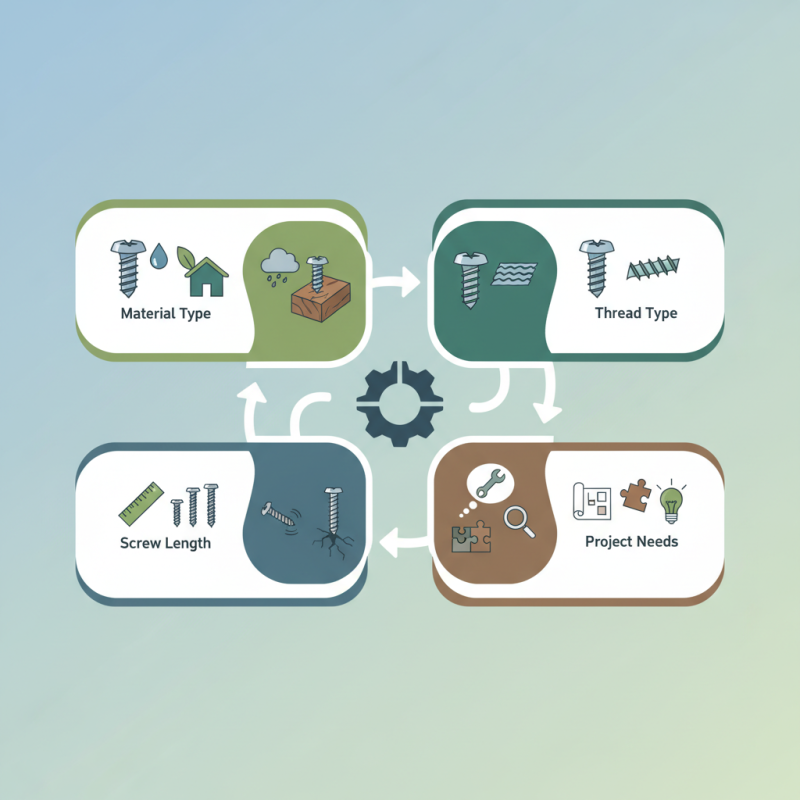
Consider the material of the tapping screw. It must match the substrate you are working with. For example, stainless steel screws are ideal for outdoor use. They resist rust and corrosion well. On the other hand, wood screws are designed for softer materials, providing a secure hold.
Furthermore, thread type matters. Fine threads offer better tension in thin materials, while coarse threads grip better in softer surfaces. Pay attention to the screw length as well. Too short and it won't hold; too long and it may cause damage. These details can seem overwhelming, but reflecting on your specific needs can simplify the process. Making an informed choice leads to better outcomes.
Understanding Different Types of Tapping Screws and Their Applications
When selecting tapping screws, it's crucial to understand their various types and applications. Tap screws come in several forms, each suited for different materials and uses. Machine screws are excellent for soft metals or plastic. These screws create their own threads when driven into the material, ensuring a secure fit. They are ideal for assembly jobs that involve pre-drilled holes.
Self-tapping screws are another popular type. They feature sharp threads, enabling them to penetrate harder materials like wood and metal with ease. They are versatile and can be used in many projects, from furniture assembly to heavy-duty construction. However, users must ensure the right size and type is chosen to avoid stripping or damaging the material, requiring additional effort and caution.
Finally, sheet metal screws are specifically designed for fastening metal sheets together. Their unique construction allows for a tight grip on thin materials. A common mistake is using the wrong screw type for the job. This can lead to failures down the line, such as loosening or breaking. Understanding these nuances can significantly enhance the effectiveness of your project.
Ultimate Tips for Choosing the Right Tapping Screw
Factors to Consider When Selecting Tapping Screws for Your Project
When selecting tapping screws for a project, several factors come into play. The material of the screw is crucial. Steel screws offer strength, but stainless steel screws resist corrosion. A study by the Industrial Fasteners Institute states that 35% of failures in applications arise from using the wrong material.
Thread design is another significant consideration. Coarse threads provide better grip in soft materials, while fine threads are ideal for harder substrates. According to research from the American Society of Mechanical Engineers, appropriate thread choice can significantly reduce stripping risks, enhancing overall durability.
Length and diameter affect load-bearing capacity. Screws that are too long can cause damage. In contrast, overly short screws may not hold the load effectively. A survey revealed that nearly 40% of workers reported issues related to screw selection, indicating the need for careful judgment in this area. Pay attention to specifics, such as screw head types, for particular applications. Remember, every choice impacts the project outcome, highlighting the importance of thorough research.
Evaluating Material and Coating Options for Tapping Screws
When selecting tapping screws, evaluating the material and coating options is crucial. Tapping screws are designed to cut into materials. The choice of material affects strength and durability. Studies show that stainless steel tapping screws resist corrosion better than carbon steel. However, carbon steel screws are often more cost-effective for indoor applications. Understanding these trade-offs is vital in various environments.
Coatings also play a significant role. Zinc plating is a common option that improves corrosion resistance. Industry reports indicate that screws with a grade 5 coating show enhanced protection in moisture-prone areas. Yet, the longevity of coatings can vary based on the operating environment. Some projects may see only a few years of effectiveness, which is worth considering during selection.
Not all coatings withstand harsh conditions. For example, chrome might chip under stress, leading to premature failures. Evaluating the specific requirements of your project can help identify what materials and coatings will perform best. While it may be tempting to choose based solely on price, long-term performance should guide your decision. A thoughtful approach can prevent costly mistakes.
Common Mistakes to Avoid When Choosing Tapping Screws
Choosing the right tapping screw can be tricky. One common mistake is selecting a screw that doesn’t match the material. Each material requires specific thread types and sizes. For instance, metal and wood have different needs. Not considering these factors can lead to issues like poor engagement or screw breakage.
Another pitfall is overlooking the screw's length. A screw that is too long can cause damage. One that is too short may not hold properly. Measuring the thickness of the materials you are joining is essential. Don’t guess the length; precision matters.
When selecting screws, always check the type of finish. Some screws are coated to resist corrosion. Others may be designed for aesthetics. Ignoring these aspects can lead to rust or unsightly connections. Aim for both functionality and visual appeal in your projects. Remember, careful planning and attention to detail go a long way in achieving successful results.
Tips for Proper Installation and Maintenance of Tapping Screws
Proper installation of tapping screws is crucial for ensuring their effectiveness. Start by choosing the right drill size. An undersized hole can cause breakage. An oversized hole may lead to a loose fit. Always refer to specific guidelines for screw sizes. Using a calibrated drill bit avoids guesswork and unnecessary stress on the material.
When installing, use a steady hand and apply consistent pressure. This helps to prevent stripping the screw head. It’s common to overlook this detail, but it can lead to costly reworks. Make sure screws are aligned correctly. Misalignment can weaken the joint, compromising the integrity of the structure.
Once installed, regular maintenance extends the lifespan of tapping screws. Inspect them periodically for rust or corrosion, especially in outdoor settings. If signs of wear appear, replace them promptly. Ignoring this can lead to failure over time. A proactive approach to maintenance helps sustain strong connections. Remember, a little attention goes a long way in ensuring durability.





