Top 5 Tips for Choosing Steel Casting Beams for Your Project?
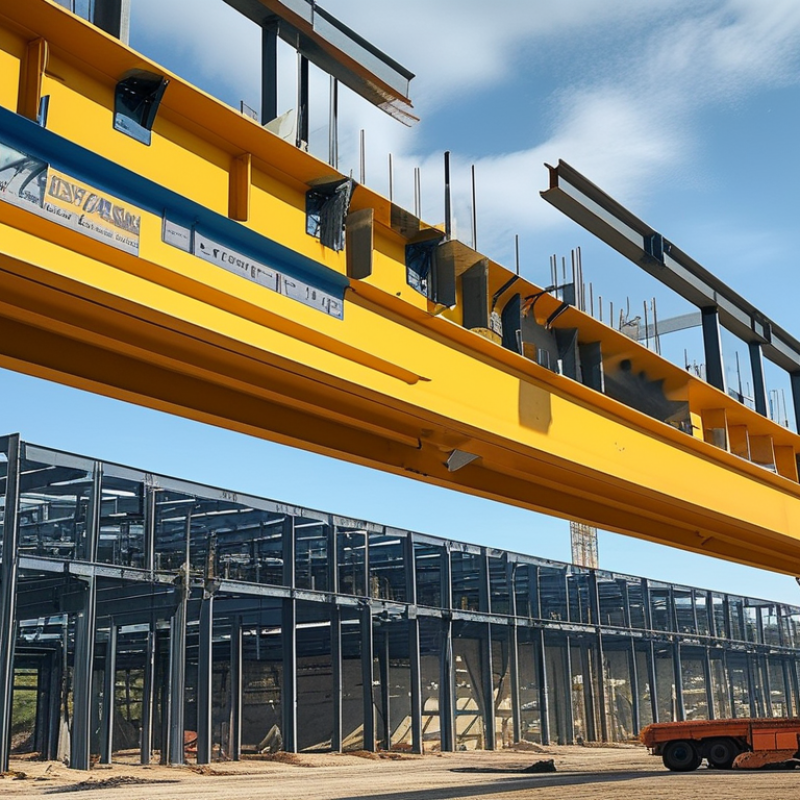
Choosing the right Steel Casting Beam is crucial for any construction project. These beams offer strength and durability, making them a popular choice among engineers. However, not all steel beams are created equal. Understanding your project's specific needs is essential.
When selecting a Steel Casting Beam, consider factors like load capacity and environmental conditions. Each project has unique demands. A common mistake is overlooking these details, which can lead to costly adjustments later. Knowing the nuances of different steel grades can also enhance your decision-making.
A reliable supplier can make a significant difference. Research their reputation and past projects. It’s vital to choose a company with expertise in steel casting. This way, you minimize the risk of mistakes and ensure safety in your construction. Remember, the right beam reinforces the entire structure, making this choice paramount.
Understanding the Importance of Material Specifications in Steel Casting Beams
Choosing the right steel casting beams requires a deep understanding of material specifications. Each project may demand different characteristics in beams, such as strength, weight, and flexibility. For instance, some projects prefer beams with higher tensile strength while others may prioritize weight reduction for ease of installation. Recognizing these needs is crucial.
Material specifications directly influence the longevity and performance of your beams. The chemical composition of steel plays a vital role here. Elements like carbon, manganese, and nickel affect the steel's properties. Beam specifications should align with the project's environmental conditions. Will the beams face extreme weather or heavy loads? These factors shape your material choice.
Reflecting on past projects can provide valuable insights. Did you encounter issues like rust or deformation? Maybe you chose beams that didn’t meet environmental demands. Learning from these experiences helps refine your decision-making. It is essential to communicate effectively with suppliers. They can guide you on the best material specifications for your specific needs.
Evaluating Load-Bearing Capacities for Optimal Performance in Projects
When selecting steel casting beams, understanding load-bearing capacities is crucial. A beam’s performance hinges on its ability to support weight without compromising structural integrity. According to the American Institute of Steel Construction (AISC), accurately evaluating the load capacity is essential for safety. Miscalculations can lead to catastrophic failures.
Key factors to consider include material strength and beam dimensions. Steel grades play a significant role in load capacity. For instance, structural steel typically falls within grades A36 to A992. A36 steel can withstand approximately 36,000 psi, making it suitable for many applications. Yet, with increasing loads, selecting a higher grade becomes vital. A992, for example, has a yield strength of 50,000 psi. Understanding these details ensures effective project execution.
Not all projects are the same, leading to various requirements. Some designs call for longer spans, while others require heavy-duty support. Evaluating these needs early can prevent future complications. Regular assessments of the beam’s performance during the project are also beneficial. Monitoring can highlight any unforeseen issues, allowing for timely interventions. Adjustments based on project demands often result in optimal performance and enhanced safety.
Assessing Corrosion Resistance and Its Impact on Steel Beam Longevity
When selecting steel casting beams, assessing corrosion resistance is crucial. Corrosion can significantly impact a beam's longevity and performance. Environmental conditions play a role in this aspect. Areas with high humidity or salt exposure face more challenges with corrosion. Without proper protection, beams can deteriorate rapidly.
Protective coatings can enhance corrosion resistance. These coatings act as a barrier against moisture and chemicals. However, their effectiveness depends on the application. Relying on coatings alone may not be sufficient for all projects. Regular inspections are necessary to ensure that protective measures remain intact.
Choosing the right steel alloy can also influence corrosion resistance. Some alloys naturally resist corrosion better than others. This decision requires expertise and careful consideration. Make sure to examine the project's specific environment. These factors collectively impact the longevity of your steel beams. Ultimately, balancing resistance and cost is key to achieving a successful outcome.
Corrosion Resistance Impact on Steel Beam Longevity
Selecting the Right Steel Alloy for Enhanced Durability and Strength
When selecting steel alloys for casting beams, understanding their properties is crucial. Different alloys offer varying levels of strength, ductility, and resistance to corrosion. For instance, carbon steel provides great tensile strength, but it may not withstand harsh environments. Alloying elements like chromium and nickel enhance durability significantly. They offer better resistance to wear and tear, making them suitable for demanding applications.
It's vital to consider the specific needs of your project. If high impact resistance is necessary, you might prioritize alloyed steels that are engineered for toughness. Look at the environments the beams will be exposed to. Harsh chemicals or extreme temperatures could lead you to consider stainless steels. Balancing costs with performance is often challenging. The most expensive alloy might not always be the best choice for every project, leading to potential regrets down the line.
Consulting with experts can provide deeper insight into your options. They can offer guidelines tailored to your specific needs. Always review the alloy's certifications to ensure quality. The right choice can enhance the lifespan and performance of your structure, while the wrong one could compromise it. Make informed decisions that reflect both immediate needs and long-term goals for your project.
Top 5 Tips for Choosing Steel Casting Beams for Your Project
| Tip No. | Tip | Description | Recommended Steel Alloy |
| 1 | Analyze Load Requirements | Understand the weight and load distribution to select appropriate beam dimensions. | A36 Steel |
| 2 | Consider Environmental Conditions | Choose alloys resistant to corrosion and wear for harsh environments. | Weathering Steel (Corten) |
| 3 | Examine Fabrication Processes | Determine if the steel alloy is suitable for welding, casting, or machining. | Alloy 6061 |
| 4 | Evaluate Cost and Availability | Select materials that balance cost-effectiveness with performance requirements. | S235 Steel |
| 5 | Review Certifications and Standards | Ensure the material meets industry standards for quality and safety. | ASTM A992 |
Comparing Cost-Effectiveness of Various Steel Casting Options in Construction
When considering cost-effectiveness in steel casting beams for construction projects, a careful analysis of options is essential. Research indicates that the lifecycle cost of materials can significantly impact overall project budgets. According to a study by the American Institute of Steel Construction, steel beams typically offer lower maintenance costs compared to alternatives, which can save approximately 15-20% over the structure's lifespan.
Investing in high-quality steel casting beams might require higher initial costs but often leads to better performance. A report from the National Steel Study indicates that projects utilizing premium steel casting can reduce failures by up to 30%. However, the choices available can vary in terms of mechanical properties and fabrication costs. It's crucial to assess the long-term benefits and potential risks associated with lower-grade options.
Additionally, environmental factors play a role. Cost-focused decisions might overlook sustainability. A study from the World Steel Association highlights that recycled steel can reduce costs and carbon footprint. This brings into question the true value of lower upfront costs versus the long-term implications of material choices.