Ultimate Tips for Choosing Slotted Aluminum Extrusion Today?
When it comes to selecting the right Slotted Aluminum Extrusion, many factors come into play. This material is versatile and durable, making it a preferred choice in various industries. However, choosing the best type can be overwhelming due to the numerous options available.
Understanding the specific needs of your project is crucial. Consider the weight capacity, dimensions, and corrosion resistance of the slotted aluminum extrusion you need. Not all extrusions will meet your requirements, and that can lead to suboptimal results. Looking for quality suppliers can enhance your project's success.
It's tempting to settle for the first option that fits your budget. However, this may result in frustrations later. It's essential to weigh your choices carefully. This guide aims to equip you with essential tips for making informed decisions when it comes to selecting slotted aluminum extrusions, ensuring your projects thrive with the right components.
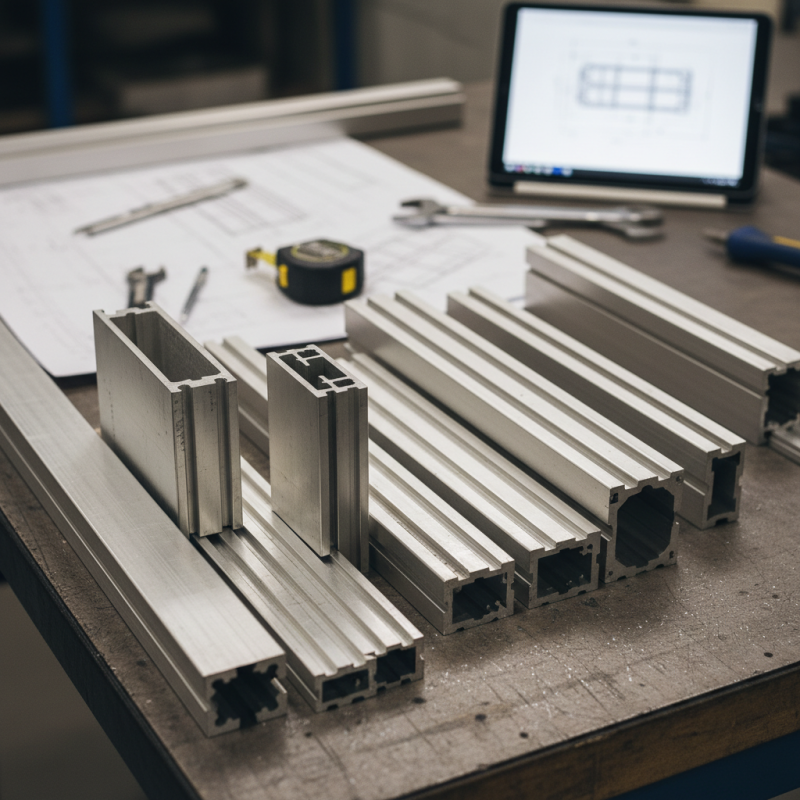
Understanding Slotted Aluminum Extrusions and Their Applications
Slotted aluminum extrusions are versatile solutions in various industries. They are used in construction, automotive, and even furniture making. Their design allows for adjustment and easy assembly, making them ideal for custom projects. Engineers and designers prefer them due to their lightweight yet strong nature.
Applications of slotted aluminum extrusions are numerous. They can support frameworks, housings, or machine guarding systems. In manufacturing, they provide flexibility in design while maintaining structural integrity. However, selecting the right extrusion can be challenging. Misjudging the load capacity or dimensions can lead to structural issues. It's crucial to carefully analyze project specifications.
The production process also has its flaws. While aluminum is durable, extrusions can be affected by imperfections. Inspecting for surface defects is essential. Not all suppliers guarantee high-quality materials. Conducting thorough research before purchasing is vital. This can ensure the longevity and reliability of the final product in your project.
Ultimate Tips for Choosing Slotted Aluminum Extrusion Today
| Dimension | Weight (kg/m) | Load Capacity (kg) | Applications | Common Finishes |
| 20 x 20 mm | 0.98 | 50 | Frames, Workbenches | Anodized, Powder Coated |
| 30 x 30 mm | 1.47 | 100 | Machinery, Racks | Mill Finish, Anodized |
| 40 x 40 mm | 2.00 | 150 | Conveyor Systems, Structures | Powder Coated, Anodized |
| 50 x 50 mm | 2.45 | 200 | Heavy Duty Frames, Workstations | Anodized, Mill Finish |
Key Factors to Consider When Choosing Slotted Aluminum Extrusion
When selecting slotted aluminum extrusions, several key factors should guide your decision. Consider the profile design. It directly affects strength and versatility. Look for designs that suit your specific needs. Different applications require various profiles, so choose wisely.
Another critical factor is the alloy used. Aluminum alloys vary in properties. Some are stronger, while others offer better corrosion resistance. Check specifications to ensure the alloy meets your performance requirements. A reliable supplier can provide this information, enhancing your decision-making process.
Tips for choosing include evaluating the intended use. Will it support heavy loads? If so, opt for a thicker extrusion. Also, consider additional features like surface finishes. Anodized surfaces provide extra protection and aesthetic appeal. Remember, sometimes you may need to compromise between cost and quality. Take your time and weigh the benefits of each option.
Evaluating the Strength and Durability of Aluminum Extrusions
When evaluating the strength and durability of aluminum extrusions, several factors come into play. Aluminum is known for its lightweight yet robust nature. However, not all extrusions are created equal. Consider their alloy composition. Different alloys offer varying degrees of strength. For high-stress applications, select a stronger alloy.
Another essential aspect is the extrusion process itself. The method used can significantly affect the material's integrity. Optimize your choice by looking into whether the extrusion was direct or indirect. Each method has specific advantages and limitations to weigh based on your project needs.
Tips for choosing the right extrusion include assessing your application’s requirements. Think about the load-bearing needs and environmental factors like moisture or corrosion. Check for any certifications or testing results that demonstrate the extrusion's performance under stress. Consider engaging with professionals to review your selection criteria. Their insights can guide you in making a more informed choice. Always remember, your choice today impacts long-term performance. Avoid shortcuts; invest in quality for optimal durability.
How to Determine the Right Size and Dimensions for Your Needs
When selecting slotted aluminum extrusion, determining the right size and dimensions is crucial. Many factors influence this decision. According to industry reports, nearly 70% of structural failures arise from improper sizing. It’s essential to assess your project's specific needs.
Consider the application. For light-duty structures, a smaller profile may suffice. However, heavy-duty applications require larger dimensions. A 2023 survey found that 85% of engineers recommend using dimensions that provide at least a 25%% safety margin. This approach helps prevent potential failures.
Tips: Always measure the exact space where the extrusion will fit. Double-check dimensions before ordering. Additionally, think about the load requirements of your project. Ensure your choice accommodates the intended use without compromise. A mismatched size can lead to costly revisions. Take time to evaluate and consult with professionals if uncertain about your requirements.
Comparing Cost and Quality: Finding the Best Value in Aluminum Extrusions
When selecting slotted aluminum extrusions, cost and quality are vital considerations. Analyzing these factors can lead to better project outcomes. The market offers diverse options, and understanding the trade-offs is crucial for savvy consumers.
Quality doesn’t always equate to high prices. Sometimes, lower-cost options can perform just as well. Verify the specifications. Look for extrusions that meet industry standards. Checking for certifications can prevent potential issues down the line.
Tip 1: Always request samples. Testing a sample can reveal its strength and durability. Also, consider the finish of the extrusion. A proper finish can enhance corrosion resistance.
Tip 2: Evaluate supplier reliability. Established suppliers often have better quality control processes. Read reviews and ask for recommendations to find trustworthy sources.
Despite your efforts, you may encounter unexpected challenges. A lower-cost extrusion might have hidden flaws. These can impact your project if you overlook them. Do thorough research to mitigate risks.





