Top Tips for Choosing the Right Speed Sensor for Your Needs?
Choosing the right Speed Sensor for your specific needs is crucial in various applications. A speed sensor measures the rotation speed of an object, helping in monitoring performance and safety. With numerous options available, understanding their differences can be overwhelming.
When selecting a speed sensor, consider your application’s requirements. Factors such as operating environment, accuracy, and installation are vital. Not all sensors will fit every situation, and making the wrong choice can lead to inefficiencies. Take time to research various types, like magnetic, optical, or hall-effect sensors. Each type has its strengths and weaknesses.
Reflect on your experience and the reliability of the sources you consult. It’s essential to rely on expert opinions to guide your decision. Handling this choice poorly could lead to significant operational setbacks. Ensure you fully grasp the specifications of each sensor before committing. Investing in the right speed sensor can enhance your operations and lead to long-term benefits.
Understanding the Basics of Speed Sensors and Their Applications
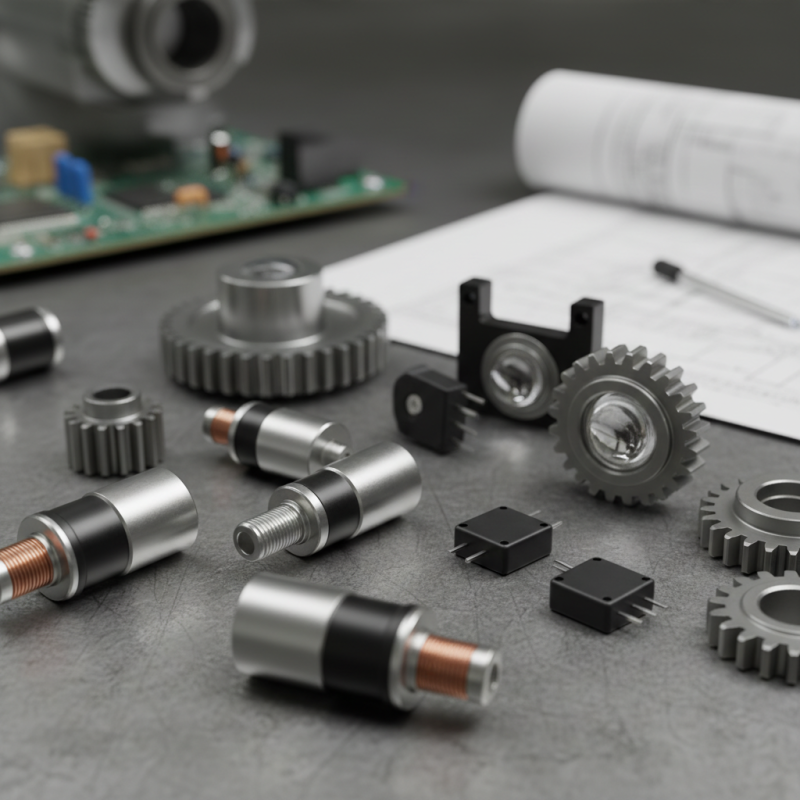
Speed sensors are critical components in various applications, ranging from automotive to industrial machinery. They measure the rotational speed of a shaft or wheel. This measurement provides essential data for controlling systems and ensuring optimal performance. Understanding the type of speed sensor needed for your application is key. Common types include magnetic, optical, and resistive sensors. Each type has its advantages and limitations.
Choosing the right speed sensor requires attention to the specific requirements of your project. Consider the environment where the sensor will operate. Will it be exposed to high temperatures or moisture? Sensor durability and sensitivity are crucial in these scenarios. Accuracy is another important factor. Some sensors provide high precision, while others yield acceptable ranges for less critical applications.
It's vital to note that not every sensor fits every application perfectly. You might face challenges with installation or compatibility with existing systems. Testing different sensors can help identify the best option. Engaging with experts can also provide insights into the nuances of speed sensor technology.
Key Factors to Consider When Choosing a Speed Sensor
When choosing a speed sensor, several key factors significantly impact your decision. Accuracy is crucial. Reports indicate that high-precision sensors can reduce errors by up to 95%. This is vital for applications requiring real-time feedback, like automotive systems. Consider the measuring range as well. Sensors with broader ranges can serve multiple applications. A versatile sensor may save time and cost in the long run.
Another point to reflect on is installation ease. Some sensors require complex setups, which can lead to increased downtime. Some reports have shown that maintenance costs increase significantly with complicated systems. Also, think about environmental conditions. Sensors used in extreme temperatures or harsh environments should be robust. A study found that around 30% of sensor failures occur due to unsuitable environmental conditions.
Finally, it's essential to evaluate the sensor's output type. Your system's compatibility with digital or analog signals can determine operational efficiency. Ensure you choose a sensor that integrates seamlessly with your equipment. While these factors are critical, consider your specific needs first before making a choice.
Types of Speed Sensors: Pros and Cons Explained
When selecting a speed sensor, understanding the various types is crucial. Magnetic sensors, for instance, capture speed through changing magnetic fields. They are reliable and often used in automotive applications. According to a recent industry report, magnetic sensors account for 45% of the global market share due to their durability and low cost. However, they may struggle in environments with significant electromagnetic interference.
Optical speed sensors offer another alternative. These devices utilize light beams to measure speed. One advantage is their high precision, making them suitable for applications that require accurate data. However, dust and dirt can impair their functionality. Studies show that while they represent about 25% of the market, their efficacy can vary based on environmental conditions.
Ultrasonic sensors, on the other hand, use sound waves and can be effective in various conditions. They are versatile and less affected by dust or dirt. Still, they tend to be more expensive, which might limit their use in some industries. The choice of a speed sensor ultimately depends on environmental factors and specific requirements. Balancing these considerations will guide you in making the right decision for your needs.
How to Determine Compatibility with Your Equipment
When selecting a speed sensor, compatibility with your equipment is crucial. Start by examining your existing system. Consider the power supply, connector type, and mounting specifications. Each of these elements plays a vital role in ensuring seamless integration. A sensor that physically fits but lacks electrical compatibility can lead to performance issues.
It is beneficial to consult technical documentation for both your equipment and the sensor you are considering. Sometimes, the specifications may seem similar, but small differences can cause significant problems. Pay attention to details like measurement range and response time. These factors can impact your operation, especially in dynamic environments.
If you feel uncertain about compatibility, don’t hesitate to seek expert advice. Professionals can guide you through the complexities. Many people underestimate how intricate these choices can be. It’s essential to weigh the pros and cons of each option. Compatibility is not just about fit; it also encompasses overall performance and reliability.
Tips for Installation and Maintenance of Speed Sensors
When installing speed sensors, it's crucial to follow specific steps to ensure accuracy and longevity. Start by choosing an appropriate location that is free from debris and vibration. This can prevent false readings. Ensure the sensor is securely mounted. A loose sensor can lead to erratic data.
Regular maintenance is essential for optimal performance. Clean the sensor periodically to remove dirt or grime. This simple task can significantly extend its lifespan and reliability. Check connections for corrosion or wear. Replacing damaged wiring or connectors can prevent issues down the line.
Another tip is to monitor the sensor's performance. Pay attention to any irregularities in speed readings. Early detection of problems can save time and resources. Remember, even high-quality sensors can fail, so stay observant and proactive.
Speed Sensor Selection and Performance Metrics





