Top 10 Tips for Choosing the Right Refrigerated Container?
When selecting a Refrigerated Container, precise choices are vital for preserving goods. The global refrigerated container market is projected to reach $9 billion by 2026, according to industry reports. This growth highlights the importance of selecting the right container for your needs.
In the food and pharmaceutical sectors, temperature control can make or break a shipment. For example, maintaining a consistent temperature of 0°C to -2°C is crucial for certain vaccines. However, not all refrigerated containers offer this reliability. Many users overlook crucial features like insulation and energy efficiency.
Understanding your specific requirements, such as size and transportation distance, is essential. With over 30% of perishable goods lost due to inadequate refrigeration, the stakes are high. Each selection should be considered carefully, acknowledging that not every container will meet all logistical needs. Focusing on quality can improve efficiency and reduce waste.
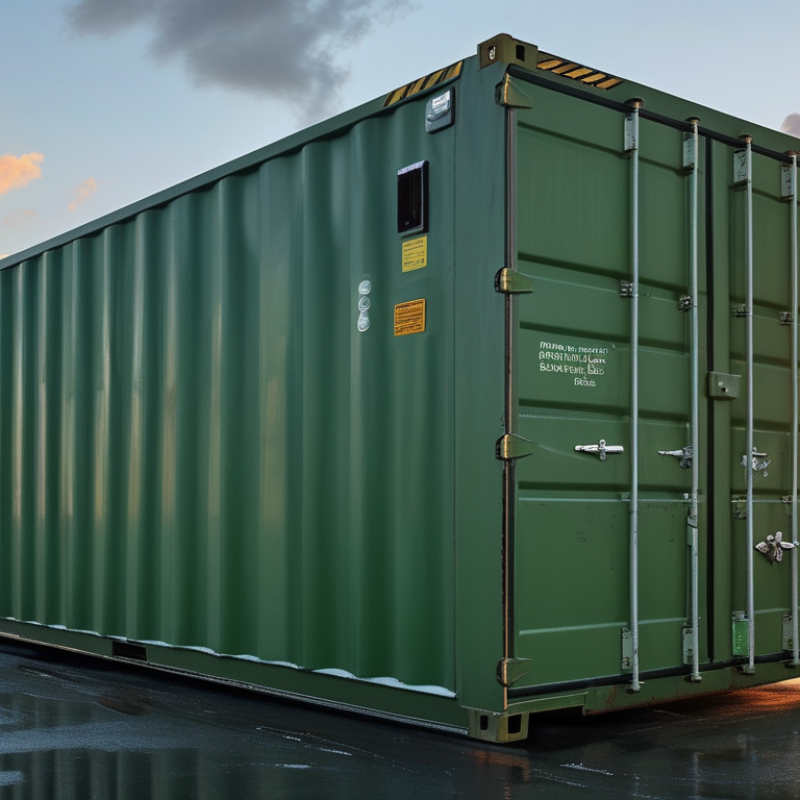
Factors to Consider When Selecting a Refrigerated Container
Choosing the right refrigerated container requires careful thought. Start by assessing your cargo requirements. What will you transport? Perishable goods need strict temperature control. Consider the temperature range and insulation quality. Look for containers designed specifically for your needs. Some materials excel at maintaining temperature, while others may fail under certain conditions.
Think about the size of the container. Measure your available space. Does the container fit? If it’s too big, costs will increase. Too small? You risk spoilage. It's essential to balance your needs and your budget.
Furthermore, examine the energy efficiency of the unit. A more efficient container saves costs in the long run.
Don't forget to check for compliance with local regulations. Tools and devices inside the container must meet safety standards. Always question a container's reliability, especially if it has been previously used. Past experiences matter. A faulty container could lead to losses and damaged products. Reflect on these factors to make an informed decision. Quality matters most when it comes to protecting your goods.
Types of Refrigerated Containers Available in the Market
When considering refrigerated containers, understanding the types available is crucial. There are several options, each tailored for different needs. For instance, standard refrigerated containers maintain consistent temperatures. They typically range from -20°C to 20°C. They're perfect for food, pharmaceuticals, and chemical transport.
Next, there are blast chillers. These containers rapidly bring down temperatures. They are ideal for preserving the freshness of perishable goods. However, they may not be necessary for every operation, especially smaller shipments.
When selecting a refrigerated container, consider the following tips. First, assess your specific temperature needs. Not every product requires extreme cooling; some may thrive in moderate conditions. Second, evaluate the container size. Make sure it fits your cargo well, preventing wasteful empty space. Lastly, think about the transportation conditions. Is it suitable for sea, road, or rail? These factors will affect your choice significantly. By taking these points into account, you can choose the right container for your business.
Top 10 Tips for Choosing the Right Refrigerated Container
Understanding Temperature Control Options for Refrigerated Containers
When selecting a refrigerated container, understanding temperature control options is crucial. A significant aspect to consider is the temperature range each container can maintain. According to industry reports, containers typically can sustain temperatures from -20°C to +20°C. This flexibility allows for transporting a variety of products, including perishables and pharmaceuticals.
Temperature control methods vary widely. Some containers utilize mechanical systems, while others rely on passive insulation techniques. In a recent study, 65% of logistics managers cited mechanical systems as more reliable. However, passive containers are often lighter and more cost-effective. Choosing the right method depends on the product type and duration of transport. Tracking temperature variations during shipment is vital. Studies show that over 30% of shipments experience temperature deviations, risking product integrity.
Investing in advanced temperature monitoring technology can enhance reliability. Sensors and IoT solutions provide real-time data, helping identify potential issues quickly. Some businesses still rely on manual checks. This approach can lead to oversights and increased risks, highlighting the need for continuous improvement and innovation in logistical practices.
Top 10 Tips for Choosing the Right Refrigerated Container
| Tip Number | Tip Description | Temperature Control Options | Typical Applications |
| 1 | Identify the ideal temperature range for your products. | -20°C to 25°C | Fresh produce, dairy |
| 2 | Consider the container size based on shipment volume. | 20ft, 40ft | Bulk shipments |
| 3 | Evaluate the energy efficiency of the refrigeration unit. | High-efficiency units | Long-distance transport |
| 4 | Check insulation quality for temperature stability. | Polyurethane foam | Sensitive products |
| 5 | Look for features like remote temperature monitoring. | Digital monitoring systems | High-value goods |
| 6 | Assess the ease of loading and unloading. | Wide doors, ramps | Frequent handling |
| 7 | Understand the regulatory requirements for transporting food. | Compliance certifications | Food industries |
| 8 | Choose between container types: reefer vs. insulated. | Reefer, insulated containers | Variety of goods |
| 9 | Inspect the container for cleanliness and maintenance history. | Pre-use inspections | Health regulations |
| 10 | Evaluate rental vs. purchasing options based on logistics needs. | Rental agreements, purchase | Cost-effectiveness |
Evaluating Space and Size Requirements for Your Shipment
When selecting a refrigerated container, evaluating space and size requirements is crucial. Understanding the dimensions of your shipment can save you from significant issues later. Distinct cargo types demand different space. For instance, perishable goods often need more room due to ventilation needs. Measure your products accurately and consider packaging.
Consider the interior design of the container. Large items may not fit easily into standard dimensions. A poor fit can lead to inefficient loading and increased transport costs. Conducting tests with different arrangements can help in optimizing space usage. Assessing your space and item shapes may reveal insights that impact your choice.
Plan for future needs as well. If your business scales, choosing a slightly larger container could be beneficial. Over-packing can compromise the integrity of goods. Ensure that ventilation pathways remain clear to maintain the required temperature. Keep in mind that the right size influences cost efficiency and transportation times. Think critically about your choices to avoid costly mistakes.
Assessing Durability and Maintenance of Refrigerated Containers
When selecting a refrigerated container, assessing its durability is crucial. Look for materials that can withstand wear and tear. Steel and fiberglass options are popular for their strength. Insulation quality also matters. Good insulation maintains temperature and reduces energy costs. A well-insulated container decreases the chance of product spoilage or temperature fluctuations.
Maintenance is just as important as durability. Regular checks can prevent larger issues. Ensure that door seals are tight. This helps maintain the internal environment. Inspect the refrigeration unit frequently. Minor repairs can extend the container's life significantly. Neglecting maintenance may lead to breakdowns, which can impact your operations.
Choosing the right container takes thought. It's not just about size or price. Consider how often you’ll use the container. Frequent usage may lead to more wear, necessitating a more durable choice. Evaluating durability and maintenance can make a big difference in the long run. It’s wise to plan for the unexpected. Equipment may fail and costs can add up.





