Top 10 Tips for Choosing the Right Chiller Water System?
Choosing the right Chiller Water System can be a complex task. This decision directly affects energy efficiency and operational costs. Several factors play a role in making a well-informed choice. Understanding your specific needs is essential. You must consider the size of your facility and its cooling requirements.
It’s also important to evaluate the system’s efficiency ratings. A higher efficiency often leads to long-term savings. However, it’s critical to balance upfront costs with potential savings. Manufacturers can provide various features, but not all are necessary for every situation. Researching reputable brands can help ensure reliability.
In a market filled with options, it’s easy to feel overwhelmed. Many may overlook vital details, like maintenance requirements and available support. Therefore, take your time. Rushed decisions may lead to regrets. A well-chosen Chiller Water System will enhance your facility's performance. It deserves thorough consideration and expert advice.
Understanding Different Types of Chiller Water Systems
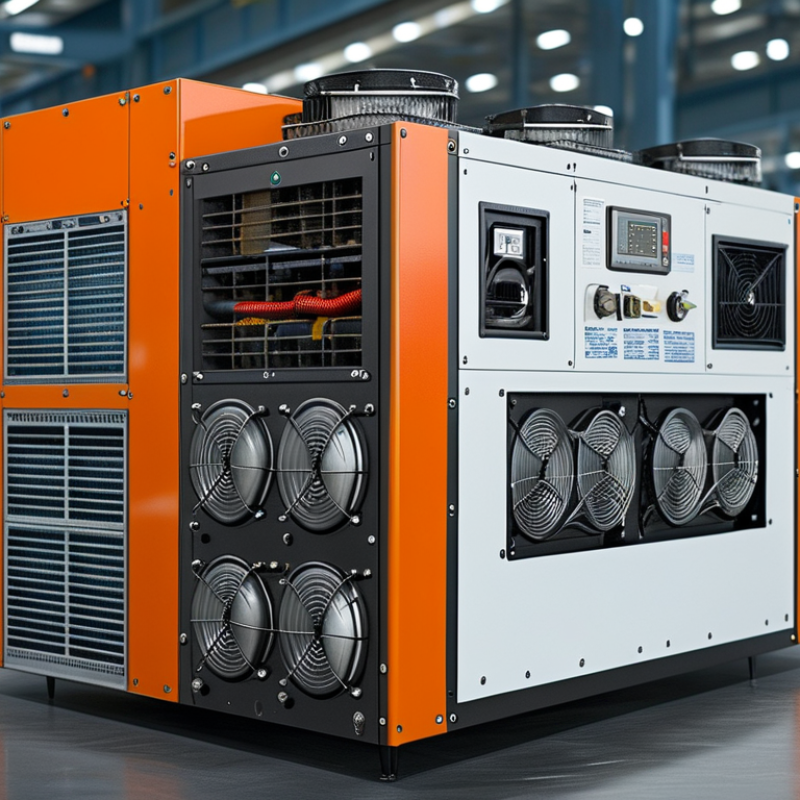
When choosing a chiller water system, understanding the different types is crucial. Chillers fall into two main categories: air-cooled and water-cooled. Air-cooled chillers are more common and easy to install. They rely on ambient air for cooling, making them ideal for smaller applications. However, they can be less efficient in extremely high temperatures, which may impact performance.
Water-cooled chillers, on the other hand, use water as a heat exchange medium. These systems are typically more efficient and suitable for larger facilities. They do require a cooling tower and proper water treatment. This adds complexity and maintenance needs. Each system has its pros and cons, which requires careful consideration before making a choice.
Capacity and total cooling load should also inform your decision. Smaller facilities may find air-cooled systems sufficient. Yet larger operations often demand the efficiency of water-cooled systems. Factor in installation costs, maintenance requirements, and overall efficiency. Reflect on how your choice aligns with your specific needs and budget over time.
Evaluating Cooling Capacity and Efficiency Requirements
Selecting the right chiller water system involves careful evaluation, particularly regarding cooling capacity and efficiency requirements. Understanding these factors helps ensure that your system aligns with your operational needs. Cooling capacity is critical. It measures the amount of heat your system can remove from a fluid per hour. Too low a capacity can lead to insufficient cooling, while too high can result in energy waste.
Consider conducting an energy audit before making a decision. This can reveal your actual cooling needs and help avoid oversizing the system. Energy efficiency metrics, such as the Energy Efficiency Ratio (EER), are also essential. Systems with high EER numbers deliver more cooling for less energy, significantly reducing operational costs.
Evaluate your specific usage patterns. Are there times of peak demand? Do you need consistent cooling, or can it fluctuate? Understanding these aspects can guide you toward the right capacity. Additionally, regularly assessing performance is vital. Systems may require adjustments over time as operational conditions change. Don't delay in making these adjustments to maintain optimal performance and efficiency.
Assessing Budget Constraints for Chiller Water System Installation
When considering the installation of a chiller water system, budget constraints cannot be overlooked. Understanding your financial limits helps narrow down options and ensures realistic choices. It’s essential to outline both initial costs and long-term expenses. Installation fees can vary greatly, often ranging from a few thousand to tens of thousands of dollars.
Involving experts early can clarify potential costs. They can provide detailed estimates based on your facility size and specific needs. This process may reveal unexpected expenses, such as necessary upgrades to existing infrastructure. Factor in energy efficiency as well. A higher upfront investment in a more efficient system can lead to significant savings over time.
Not all systems fit every budget. Some may require adjustments later, leading to unplanned expenses. Ensure that you leave room for maintenance costs in your budget. Regular upkeep is vital for optimal performance, which could reduce downtime and unforeseen repairs. Engaging in thorough research and consulting with professionals can lead to better financial decisions, minimizing long-term headaches.
Considering Maintenance and Reliability Factors
When selecting a chiller water system, maintenance and reliability should be at the forefront of your decision-making process. A system that is complicated to maintain can lead to prolonged downtimes and increased costs. Regular inspections are necessary. Understand the upkeep requirements before making a choice. A system with simpler components often offers better reliability.
Consider the availability of replacement parts. A system reliant on rare components can become obsolete quickly. Investigate the track record of different systems. Past performance can illuminate future reliability. Look into user reviews and feedback. Real experiences often reveal issues manufacturers may not disclose.
Maintenance schedules should be easy to follow and well-documented. Check if the system is compatible with existing infrastructure. Poor compatibility can lead to unexpected repairs. Moreover, factor in energy efficiency. An energy-intensive system may require more frequent maintenance. Choose wisely to ensure your installation remains dependable.
Reviewing Manufacturer Reputation and Warranty Options
When selecting a chiller water system, paying attention to the manufacturer's reputation is paramount. A reliable manufacturer often has years of industry experience and a track record of satisfied customers. According to a 2022 report by the International Institute of Refrigeration, nearly 70% of system failures are linked to poor manufacturing standards. Therefore, ensuring that a manufacturer is well-reviewed can help mitigate future operational headaches.
Warranties also play a critical role in your decision. Comprehensive warranty options indicate a company’s confidence in their products. A recent study from Frost & Sullivan highlighted that systems backed by at least a five-year warranty tend to perform better over time. It’s crucial to read the fine print. Many warranties have exclusions that could leave you vulnerable. Also, consider support services. A strong post-purchase support network is vital, especially for complex systems. You should reflect on the potential risks and the response time for service requests. Evaluating these factors can prevent unexpected costs later on.
Top 10 Tips for Choosing the Right Chiller Water System
The following bar chart illustrates the key factors to consider when selecting a chiller water system and their importance ratings based on industry insights.





