Top Tips for Choosing the Right Regular Gypsum Board?
Choosing the right Regular Gypsum Board is crucial for construction projects. This material is widely used for its versatility and durability. According to the latest report from the Gypsum Association, the demand for gypsum board is expected to grow by 6% annually, reflecting its importance in the building sector.
Expert Mark Thompson, a consultant in the drywall industry, states, "Selecting the right gypsum board can impact the longevity and aesthetics of a structure." His insights highlight the need for careful consideration when choosing materials. Factors include fire resistance, moisture control, and soundproofing properties. Each project requires a unique approach.
While Regular Gypsum Board is popular, it's not without limitations. Misjudgments in selecting the right type can lead to costly repairs down the line. It's vital to understand specific project requirements and local regulations. Engaging with experienced professionals can mitigate these risks and ensure a sound investment for any construction endeavor.
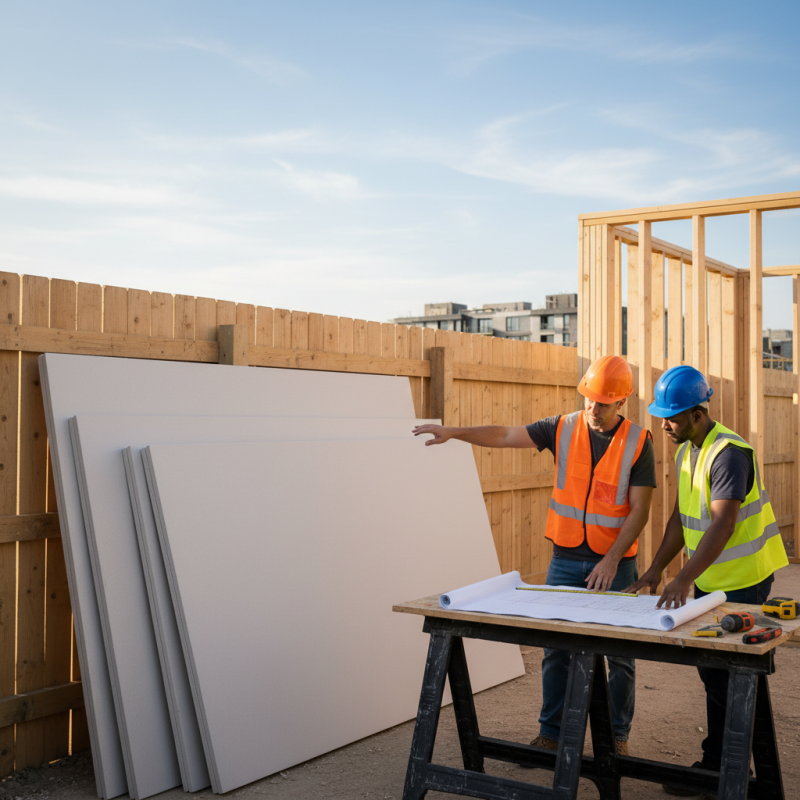
Factors Influencing the Selection of Regular Gypsum Board Types
When selecting regular gypsum board, several factors significantly influence your decision. One key consideration is the board's thickness. Standard options include 1/2-inch and 5/8-inch boards. According to the Gypsum Association, the thickness impacts sound isolation and fire resistance. Thicker boards, for instance, provide better soundproofing and are often recommended for commercial applications.
Another factor is moisture resistance. Areas with high humidity require boards specifically designed to withstand moisture. Research indicates that up to 60% of water damage in buildings stems from inadequate materials. Choosing boards with a suitable moisture-resistant rating can prevent costly repairs and mold growth.
Tip:
Always match the board type to the specific environment of your project. Evaluate the location and expected exposure to elements.
Finally, consider the installation method. Some gypsum boards are easier to install than others, depending on their weight and flexibility. Selecting the right installation approach affects labor costs and project timelines. Experienced installers suggest practice and careful planning to avoid common pitfalls. The type of gypsum board should align with your overall construction goals.
Understanding ASTM Standards for Gypsum Board Quality and Performance
When selecting gypsum board, understanding ASTM standards is crucial. The ASTM, or the American Society for Testing and Materials, provides guidelines for evaluating quality and performance. Gypsum boards must meet these standards to ensure safety and durability. For example, ASTM C1396 outlines the physical and performance requirements. Boards passing these tests are more reliable in construction applications.
Data from industry reports indicate that buildings using ASTM-compliant gypsum board exhibit fewer structural issues over time. In fact, compliance can reduce the risk of water damage and fire hazards by up to 40%. This underscores the importance of selecting products that adhere to these standards. The performance of gypsum board also varies by type. Moisture-resistant boards are essential in humid environments, while fire-rated boards are necessary for safety regulations.
Be mindful of potential shortcomings. Not all manufacturers conduct thorough testing, so it can be challenging to ascertain quality. Knowing how to read and understand ASTM ratings can mitigate these risks. Always inquire about testing processes. This knowledge helps ensure that the choice of gypsum board not only adheres to regulations but also meets long-term performance expectations.
Assessing the Cost-Effectiveness of Different Gypsum Board Brands
When selecting gypsum boards, evaluating the cost-effectiveness of various brands is crucial. Not all products offer the same value. Some might seem cheaper upfront but lack durability. This often leads to increased long-term costs due to repairs and replacements.
Research is essential when comparing brands. Look for independent reviews and user experiences to gauge performance. Sometimes, less popular brands provide great quality at lower prices. This can be a gamble, though, as reliability can vary widely. Consider warranties and the manufacturer's reputation.
It’s worth noting that some boards perform well in specific environments. For instance, moisture-resistant options are vital in humid areas. While these may have a higher initial cost, their lifespan can justify the investment. Balancing initial expenditure with potential future costs is a common challenge.
Top Tips for Choosing the Right Regular Gypsum Board
| Dimension | Thickness (inches) | Cost per Sheet ($) | Weight (lbs) | Fire Rating | Moisture Resistant |
| 4' x 8' | 1/2 | 12.00 | 50 | None | No |
| 4' x 8' | 5/8 | 15.00 | 60 | Type X | No |
| 4' x 10' | 1/2 | 15.50 | 62 | None | Yes |
| 4' x 8' | 5/8 | 17.00 | 70 | Type C | Yes |
Evaluating Fire Resistance Ratings of Regular Gypsum Board Options
When selecting regular gypsum boards, fire resistance ratings are crucial. Fire-resistant boards can slow the spread of flames. They are tested using standards defined by the industry. These ratings guide you in making the right choice based on your needs.
Understanding these ratings can be challenging. Each board has a unique fire rating, typically designated with a number. For instance, a board rated 1-hour can withstand fire for that duration. Look for boards that meet the requirements for your project. It’s essential to consult building codes that apply to your location.
Here are some tips for choosing the right board. Assess the fire resistance needed for your space. Consider the building materials around the board. Installation plays a vital role in its effectiveness. Installing it correctly can enhance its performance. Always think about long-term safety and cost-effectiveness.
Identifying Suitable Thickness and Size for Specific Construction Needs
When selecting gypsum board, the right thickness and size are crucial for construction projects. The thickness of the board can greatly influence its durability and performance. Standard thicknesses range from 1/4 inch to 5/8 inch. A 1/2 inch board is common for interior walls. It's essential to consider the application: thicker boards offer better moisture resistance and sound proofing.
Choosing the right size also impacts installation and performance. Typical sizes for gypsum boards are 4x8 and 4x12 feet. Larger boards mean fewer joints, which can enhance aesthetics and reduce the potential for cracking. However, larger boards can be heavier and harder to handle, requiring careful planning.
Mistakes can happen with dimensions. Miscalculating the necessary amount of boards can lead to delays. Onsite adjustments may cause issues with finishing. Always confirm dimensions before installation. Reflecting on past projects helps avoid future errors. Knowing the specific construction needs will guide your choices effectively.





