Essential Tips for Choosing the Right PV Connector?
The solar energy market has seen exponential growth. According to the Solar Energy Industries Association (SEIA), the United States installed over 19 gigawatts (GW) of solar capacity in 2020 alone. This increasing demand emphasizes the importance of reliable components, particularly PV Connectors. PV connectors play a crucial role in ensuring the efficiency and longevity of solar energy systems.
Choosing the right PV connector is vital for optimal performance. A poorly chosen connector could lead to energy loss or even system failure. Studies reveal that up to 30% of solar system issues stem from improper connections. As installation standards improve, so does the complexity of selecting appropriate components. This highlights the need for comprehensive guidance in connector selection, especially given that different applications require specific characteristics such as waterproofing and heat resistance.
The nuances of PV connectors can be daunting, even for seasoned professionals. Many factors can influence your choice, including environmental conditions and system voltage. Industry reports indicate that 87% of solar professionals feel overwhelmed by the variety of connectors available. This reflects a pressing need for accessible information and expert insights in navigating these critical decisions.
Understanding the Different Types of PV Connectors Available
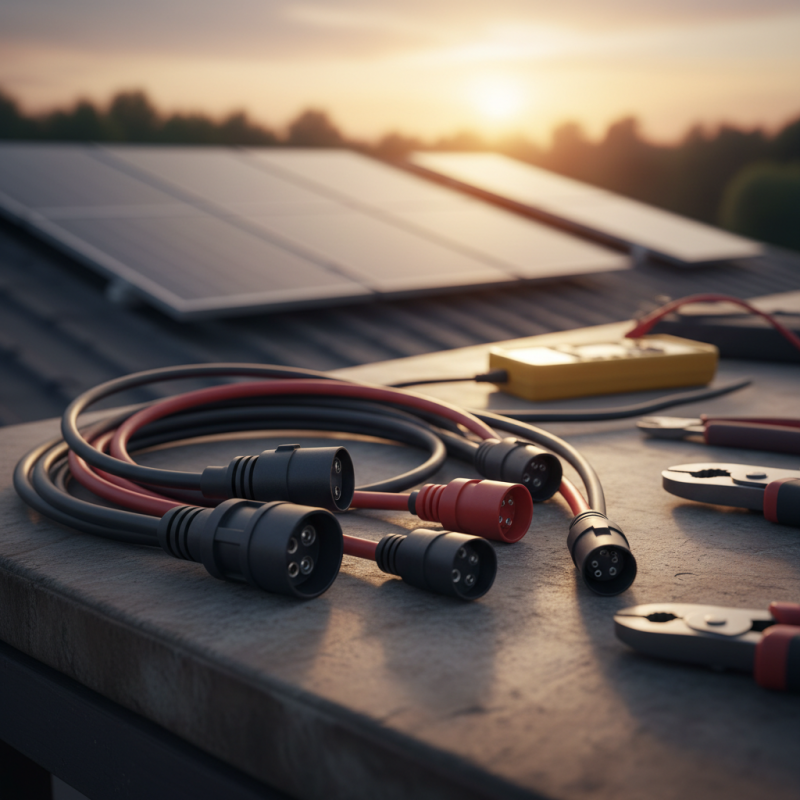
When selecting PV connectors, understanding the different types available is crucial. Each type serves unique purposes. Commonly found are MC4 connectors. They are known for their ease of use and reliability. These connectors come with male and female ends that ensure a secure fit. But that's not all; there are variations designed for specific installations. Knowing the differences helps in making informed choices.
Additionally, consider the environmental conditions. Some connectors are more suited for harsh climates. Water-resistant options prevent corrosion and damage. There are also connectors designed for higher voltages. These can handle a more significant electrical load but require careful consideration to ensure safety.
It's essential to check compatibility with your panels and cables. Some connectors might not fit well with other systems. This can lead to inefficiencies or even connections issues. A little research goes a long way. Engage with professionals to gain insights. Their experience can be invaluable in making the right decision.
Essential Tips for Choosing the Right PV Connector
This chart illustrates the different types of PV connectors available and their respective market popularity based on recent industry reports.
Key Factors to Consider When Selecting PV Connectors
When selecting PV connectors, several key factors come into play. First, consider the environmental conditions. Connectors must withstand sunlight, moisture, and extreme temperatures. Look for connectors made from durable, weather-resistant materials. This is crucial. Failure could lead to energy loss.
Another important aspect is the current rating. Ensure the connector can handle the system's current without overheating or burning out. Size and compatibility with existing wiring are also vital. Mismatched components can lead to inefficiencies. Pay attention to the installation process as well. A complicated installation may lead to errors.
Additionally, check for certifications and standards. These can indicate the connector's reliability. However, not all products are created equal. Some may perform well on paper but fail in real-life applications. Always seek reliable information before making a decision. A little research goes a long way.
Evaluating Compatibility with Solar Panels and Inverters
When choosing a PV connector, compatibility with solar panels and inverters is crucial. Many homeowners overlook this aspect, leading to inefficiencies. Each component must work harmoniously to optimize energy transfer. This requires understanding the electrical specifications of your solar system.
Different types of connectors have varied voltage and current ratings. For instance, in high-performance setups, using connectors rated for higher voltage could help. Yet, this could lead to over-specification in low-demand environments. Therefore, it’s essential to balance safety and performance.
In addition, connectors should be rated for environmental conditions. Outdoor installations face moisture, corrosion, and temperature fluctuations. Choosing connectors with proper insulation can prevent future issues. However, many users fail to consider these factors, leading to premature failures. Always evaluate your needs carefully to avoid costly mistakes.
Assessing Durability and Weather Resistance of PV Connectors
When selecting PV connectors, assessing their durability and weather resistance is critical. These connectors will endure harsh environmental conditions for years. Therefore, you need to evaluate materials closely. High-quality plastics are often favored for their resilience. Look for connectors designed to withstand UV radiation, extreme temperatures, and moisture.
Weather resistance ensures optimal performance throughout the year. Check the IP rating of connectors, which indicates their protection against dust and water. A higher IP rating suggests better durability and reliability in adverse conditions. Consult industry standards to gauge the longevity of materials used in connectors.
Reflecting on installation experiences can also provide valuable insights. Some connectors may perform well initially but fail over time. Be cautious of how they react under different weather conditions. Understanding these factors will help you select connectors that not only meet technical requirements but also stand the test of time.
Best Practices for Installation and Maintenance of PV Connectors
When installing PV connectors, proper maintenance is crucial. Ensure connectors are clean and free from debris. Dirt can impact their effectiveness. Regular inspections help identify wear or damage. Look for signs of corrosion or oxidation, which can lead to failures.
One tip is to use a torque wrench during installation. It ensures proper tension, which is critical for reliability. Undersized connections can lead to overheating. Another tip is to avoid over-tightening. This can damage the connectors and compromise performance.
Proper sealing protects against elements like moisture and dust. Make sure to select connectors with appropriate IP ratings. They should withstand environmental challenges in your area. Using heat-shrink tubing can add an extra layer of protection. Always follow manufacturer guidelines for installation. This can enhance the longevity of your PV system. Regular upkeep, attention to detail, and the right practices make a significant difference.
Essential Tips for Choosing the Right PV Connector
| Criteria | Description | Best Practices |
| Connector Type | Select connectors designed for your specific PV module type. | Ensure compatibility to avoid performance issues. |
| Temperature Rating | Check the operating temperature range of the connectors. | Choose connectors that exceed your region's temperature extremes. |
| Water and Dust Ingress Protection | Look for IP68 or higher rating for outdoor use. | Verify sealing mechanisms to prevent contaminants. |
| Ease of Installation | Choose connectors that facilitate simple and quick installation. | Follow manufacturer guidelines for a smooth install. |
| Mechanical Durability | Evaluate the physical resistance to weather and mechanical stress. | Opt for connectors made from durable materials. |
| Maintenance | Consider connectors that require minimal upkeep. | Regularly inspect and clean connectors to ensure optimal function. |





