Essential Tips for Choosing Push Pull Connector and Cable?
Choosing the right Push Pull Connector & Cable is crucial for your projects. This decision impacts the reliability and efficiency of your connections. With many options available, it can feel overwhelming. Understanding key factors helps simplify the process.
Durability is an essential attribute. Different applications demand varying resistance to environmental conditions. For example, connectors used in outdoor settings must withstand moisture and temperature fluctuations. Selecting the appropriate materials can prevent premature failure.
Compatibility with existing systems is another important consideration. Ensure the connectors match your equipment's specifications. A mismatch can lead to functionality issues. Evaluating the electrical and mechanical requirements will guide your selection. Additionally, consider the ease of use. Connectors should facilitate quick and secure installations. Choose wisely to enhance the overall performance of your applications.
Understanding the Basics of Push Pull Connectors and Cables
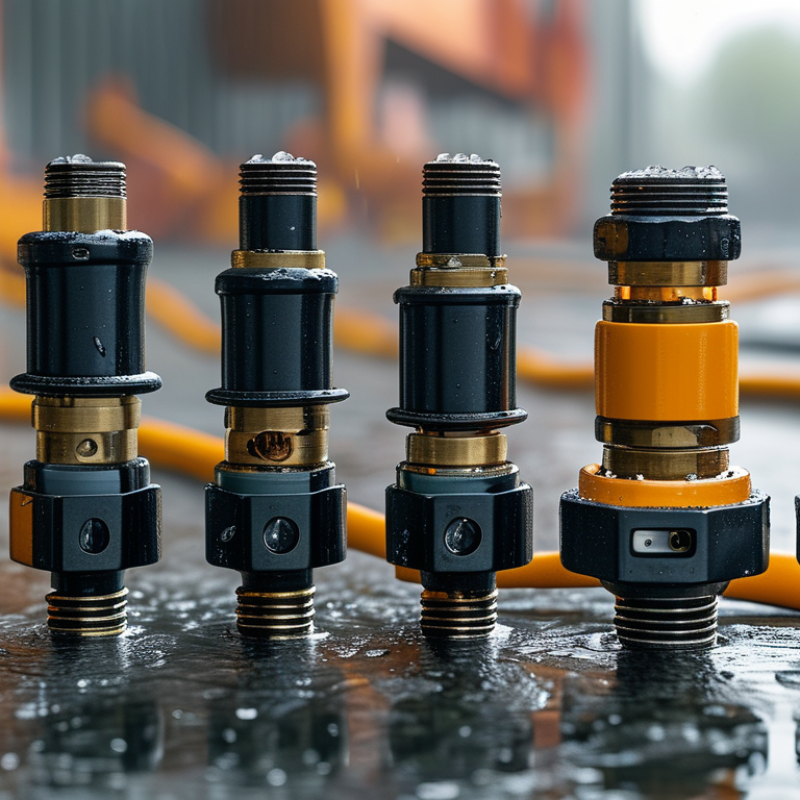
Push-pull connectors are essential in various applications, ensuring a secure connection while allowing for quick disconnection. Understanding their basics can simplify your selection process. These connectors feature a mechanism that locks in place, preventing accidental disconnects. The cables paired with these connectors must be durable, flexible, and suited for the intended environment.
When choosing push-pull connectors, consider the requirements of your application. Assess the operating environment. Will it face moisture or dust? Select connectors with appropriate ratings. Think about the connection frequency. If frequent re-connections are necessary, opt for lighter models for ease of use. The materials used influence both durability and performance, affecting your long-term investment.
Always verify compatibility between connectors and cables. Mismatched components can lead to failures. Look for connectors with sealant features for better protection. Remember, quality often prevails over price, especially in critical applications. Even minor mistakes in selection can result in significant issues down the line, so take time to reflect on your needs before finalizing your choice.
Identifying Key Applications for Push Pull Connectors
Push pull connectors are becoming increasingly important in various industries, including telecommunications, medical devices, and aerospace. These connectors offer a reliable solution for applications that require frequent connecting and disconnecting while ensuring a robust connection. According to recent industry reports, the demand for push pull connectors is expected to grow at a compound annual growth rate of 7.2% between 2023 and 2028. This growth is driven by advancements in technology and the need for durable connections in extreme conditions.
Applications in medical devices highlight the need for reliable and secure connections. Push pull connectors are used in surgical instruments and diagnostic equipment due to their ease of use and ability to withstand sterilization processes. A study from the Medical Device Connectivity Market indicates that nearly 65% of devices now incorporate push pull technology. This shift demonstrates a recognition of their importance in enhancing patient safety and device reliability.
Similarly, aerospace applications require connectors that can perform under extreme environmental conditions. Push pull connectors are specifically designed to resist shock, vibration, and temperature fluctuations. A survey from the Aerospace Connector Report revealed that 78% of aerospace engineers prioritize connector reliability when selecting components. This statistic underscores the critical nature of choosing the right connector for mission-critical applications, where failure is not an option. Ensuring proper selection involves evaluating specific application needs and environmental challenges.
Evaluating Connector Specifications and Ratings
When selecting a push-pull connector, evaluating specifications and ratings is crucial. Start by examining the connector's current and voltage ratings. Ensure they align with your application's requirements. Different use cases demand different ratings. High-power applications need connectors that handle significant electrical loads. For low-power devices, a standard rating may suffice.
Next, consider environmental factors. Will the connector face moisture, dust, or extreme temperatures? Look for connectors with robust seals and materials. Proper ratings for temperature resistance and ingress protection can enhance durability. Connectors must withstand real-world conditions; otherwise, they may fail.
Take note of mechanical specifications too. Check mating cycles and secure locking mechanisms. Connectors should connect easily but maintain a firm fit. This prevents accidental disconnection. Ensure the connector's design matches your installation method. Sometimes a simple solution works best; other times, complexity is required. Reflect on your needs to make an informed choice. Each choice can lead to different long-term outcomes, so careful consideration is key.
Assessing Cable Compatibility with Push Pull Connectors
When selecting a push-pull connector, it’s vital to assure cable compatibility. The right cable can enhance performance and longevity. Check the wire gauge of your cable. A mismatched gauge can lead to overheating or signal loss. The cable must fit snugly into the connector. Loose connections are risky and can cause intermittent failures.
Consider the insulation material of the cable. It affects durability and resistance to environmental factors. For instance, PVC may be less resistant than Teflon. Analyze the temperature range where the cable will operate. Extreme temperatures can lead to failure. Think about mechanical flexibility as well. If the cable bends frequently, choose a flexible option.
Testing the overall assembly is crucial. Even with compatible components, issues can arise. Perform a physical inspection of the connector and cable. Pay attention to any signs of wear or damage. This examination can reveal underlying concerns. It’s okay to realize that compatibility needs more scrutiny. Take your time to reassess choices for optimal performance.
Best Practices for Installation and Maintenance of Connectors
When installing push-pull connectors, pay attention to environmental factors. Always ensure that the area is clean and free of contaminants. Dust and debris can lead to connectivity issues. Check for proper alignment before securing connections. Misalignment may result in short circuits or reduced performance.
Maintenance is equally crucial. Regular inspection of connectors helps identify wear or corrosion early. Look for signs of discoloration or loose connections. A gentle cleaning with appropriate tools can enhance reliability. However, be cautious not to damage the connectors during this process.
In installations, cable management is often overlooked. Proper routing of cables prevents stress on the connectors. Avoid sharp bends and tension in cables. It’s also beneficial to label connections. This practice simplifies troubleshooting in the long run. A well-maintained system leads to increased efficiency and longer lifespan of connectors and cables.





