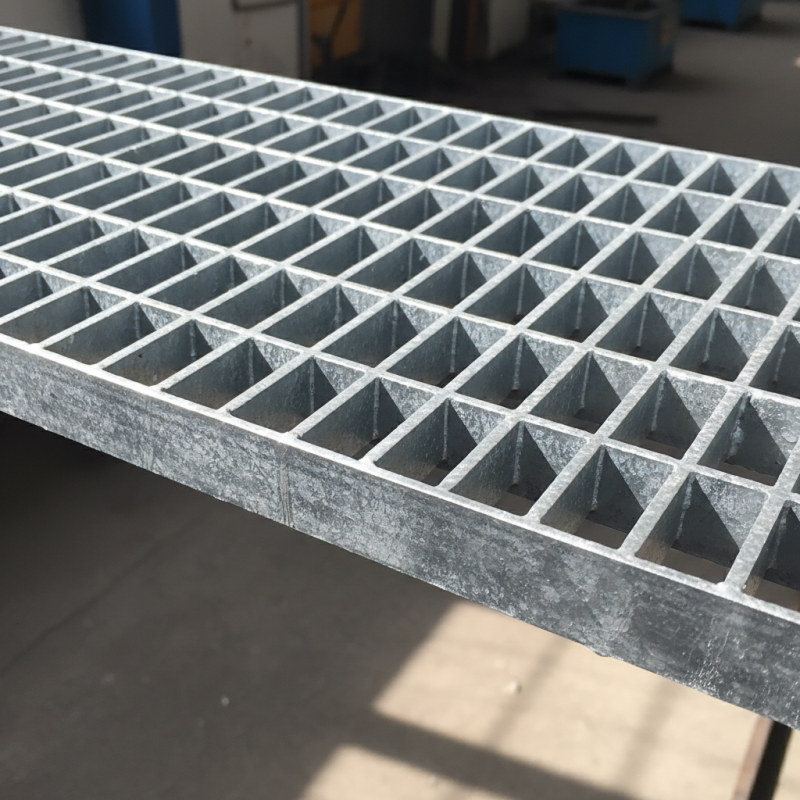
Essential Tips for Choosing Plain Steel Grating for Your Needs?
When selecting the right materials for industrial applications, Plain Steel Grating is a popular choice. Its versatility and strength make it suitable for various environments. However, not all plain steel gratings are created equal.
Choosing the right type can significantly impact your project’s efficiency and safety. Factors such as load capacity, spacing, and thickness must be considered. Clients often overlook these details, leading to potential risks and unnecessary costs.
Plain Steel Grating can offer both durability and functionality. A well-informed decision ensures optimal performance. Understanding your specific needs will guide you to the best option. Trustworthy suppliers can provide valuable insights into their products. However, it is crucial to do your own research and not rely solely on their recommendations.
Understanding Plain Steel Grating: Key Definitions and Specifications
Plain steel grating plays a crucial role in various industrial applications. Understanding its key definitions and specifications can help you make the right choice for your projects. Typically, plain steel grating is used for walkways, platforms, and drainage covers. It is notable for its strength and durability. A standard specification includes a band width of 1 inch and cross-bar spacing of 3 inches.
When selecting plain steel grating, consider load-bearing capacity. According to the American Institute of Steel Construction, heavy-duty grating can support loads exceeding 1,500 pounds per square foot. However, not all applications require such robust options. Product sizing is essential; too large a grating can lead to excessive weight.
Tip: Evaluate your specific load requirements before making a purchase. A mismatch can lead to premature wear or failure. Additionally, consider the environment. Corrosion resistance may be necessary in harsh conditions.
Pocket-sized tips include checking for compliance with applicable safety standards. Ensure the grating's surface provides adequate slip resistance. All these choices reflect both functionality and safety. A minor oversight in these details could have serious implications.
Essential Tips for Choosing Plain Steel Grating for Your Needs
This bar chart illustrates essential specifications to consider when choosing plain steel grating. It includes load capacity, weight, spacing, and thickness, which are crucial for ensuring the grating meets your specific application needs.
Factors Influencing Steel Grating Selection: Load Capacity and Spacing
When selecting plain steel grating, load capacity is a primary consideration. Each project has unique demands. Thus, understanding the weight the grating needs to support is crucial. Consider factors such as the type of traffic—whether pedestrian or vehicular—and the potential impact loads. For example, a walkway will have different requirements compared to an industrial loading dock.
Spacing between the grating bars also plays a vital role in its performance. Narrower spacing provides better support and prevents small items from falling through. However, this can increase material costs and reduce visibility. Choosing the right balance is key. Inadequate spacing may lead to safety issues, while excessive can result in structural weaknesses. Each spacing choice should reflect the intended use. These details are critical for ensuring long-term durability and effectiveness.
Essential Tips for Choosing Plain Steel Grating for Your Needs
| Grating Type | Load Capacity (lbs) | Spacing (inches) | Material Thickness (inches) | Best For |
| Type A | 1000 | 6 | 0.5 | Walkways |
| Type B | 1500 | 5 | 0.75 | Heavy Equipment Areas |
| Type C | 2000 | 4 | 1.0 | Industrial Applications |
| Type D | 2500 | 3 | 1.25 | Warehouse Floors |
Corrosion Resistance in Steel Grating: Choosing the Right Coatings
When selecting plain steel grating, corrosion resistance is a critical consideration. Plain steel is susceptible to rust when exposed to moisture and chemicals. This vulnerability can lead to structural weaknesses over time. It is vital to understand the environmental conditions where the grating will be used. For instance, coastal areas with high humidity require more durable coatings.
Choosing the right coatings can greatly enhance the longevity of steel grates. Options include powder coating, galvanization, or epoxy finishes. Each provides varying levels of protection against rust and deterioration. However, not all coatings are ideal for every situation. Some may chip or wear more quickly, especially under heavy loads. Consider the use case and expected wear-and-tear before making a decision.
At times, even the best coatings will fail. Regular inspections are necessary to check for signs of corrosion. Early detection can prevent costly replacements. Understanding these aspects will help ensure the longevity and performance of your steel grating.
Cost-Effectiveness Analysis of Plain Steel Grating vs. Alternatives
When considering plain steel grating, cost-effectiveness is crucial. It's essential to compare it with alternatives like plastic or fiberglass. Although these materials may seem appealing, they might not offer the same durability. For long-term investments, steel grating often proves cheaper despite its higher initial cost. Its lifespan can surpass many substitutes, translating to savings over time.
Yet, it's vital to evaluate your specific needs. In some cases, lighter options may suffice for temporary projects. A thorough analysis can reveal hidden expenses, like maintenance or replacement costs. Plain steel grating does require some upkeep, but it can withstand heavy loads and harsh environments. Choosing wisely can prevent future financial strain.
Price isn’t everything in this decision. Consider the application too. For industrial use, steel grating often outperforms other materials. But in less demanding situations, cheaper products might be all you need. Every project is unique, and finding the right balance between cost and performance is essential.
Applications of Plain Steel Grating: Where and Why It's Used
Plain steel grating finds its place in various industries due to its strength and durability. Common applications include manufacturing plants, pedestrian walkways, and water treatment facilities. According to industry studies, about 70% of businesses choose steel grating for its ability to support heavy loads and resist wear and tear.
When considering plain steel grating, it’s essential to assess your specific needs. Will the grating be subjected to heavy machinery? Or will it primarily support foot traffic? Understanding these factors can help you make a more informed decision.
Tip: Ensure that the spacing and thickness match your requirements. This not only enhances safety but also maximizes performance. Plain steel grating can corrode over time, so consider maintenance practices. Regular inspections can extend its lifespan significantly, reducing long-term costs.
Think about the environment as well. The use of plain steel grating in eco-sensitive areas can lead to unforeseen consequences. Always weigh the benefits against the potential for rust or environmental impact. Remember, choosing the right type of grating is not just about strength; it’s about finding a solution that balances function and sustainability.