Top 10 Tips for Choosing Industrial Switchgear for Your Needs?
Selecting the right Industrial Switchgear is crucial for operational efficiency. According to a report by MarketsandMarkets, the industrial switchgear market is projected to reach $120 billion by 2025. This growth highlights the increasing reliance on effective power management solutions. Experts stress that choosing the right equipment can significantly affect a facility's safety and productivity.
Dr. Emily Johnson, a leading authority in electrical engineering, emphasizes the importance of this selection. She states, "The right switchgear not only ensures safety but also enhances operational reliability." With numerous options available, deciding on switchgear that meets specific needs can be challenging. Many facilities overlook critical factors in their selection process.
Understanding technical specifications and compliance standards is vital. Also, uneven power management can lead to downtime, affecting productivity. Companies must address these potential gaps. Mistakes in choosing Industrial Switchgear can have long-term consequences. Thoughtful evaluation of options will foster better outcomes and drive success in the industry.
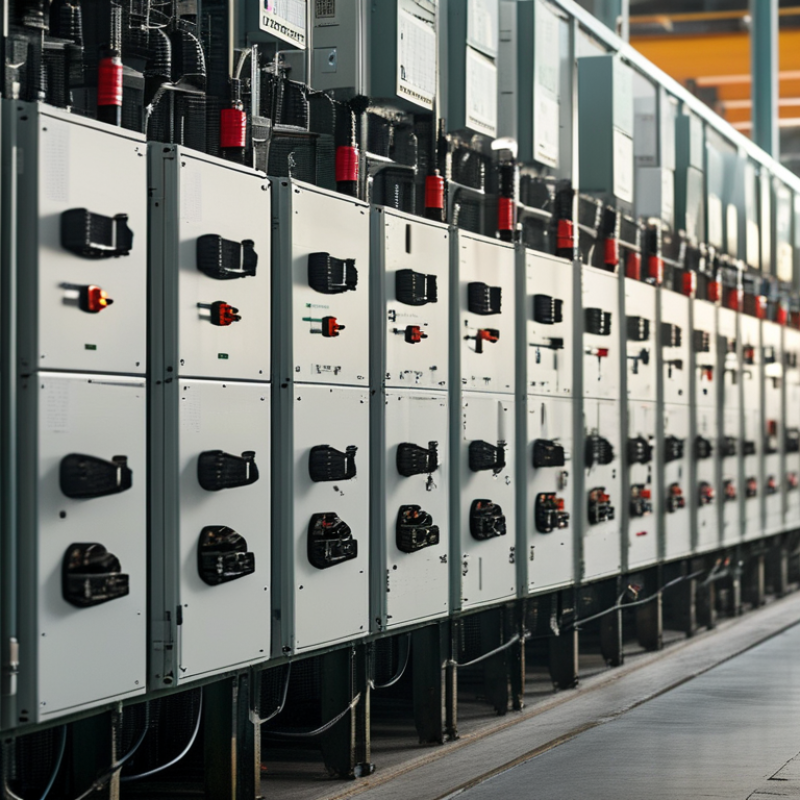
Understanding Industrial Switchgear and Its Importance
Understanding industrial switchgear is crucial for the efficiency and safety of electrical systems. According to a recent industry report, industrial switchgear accounts for approximately 60% of the global market in power distribution. This equipment plays a vital role in controlling and protecting electrical circuits. Its reliability impacts the overall operational performance of industrial facilities. Without adequate switchgear, systems may face unexpected failures, resulting in costly downtime.
Choosing the right switchgear is not always straightforward. Factors such as voltage requirements and environmental conditions should be considered. For instance, switchgear installed in harsh environments may require enhanced insulation and protection features. Data indicates that poorly selected switchgear can lead to equipment failures, increasing maintenance costs by up to 30%. Ensuring that your choice aligns with regulatory standards is also paramount. Non-compliance can result in legal repercussions and unsafe work environments.
The importance of reliability in industrial switchgear cannot be overstated. Regular inspections and maintenance are essential to ensure optimal performance. Surprisingly, many facilities underinvest in this critical area. While the initial costs may seem high, the long-term benefits of reliable switchgear significantly outweigh those expenses. Mindfully selecting switchgear can offer peace of mind and foster a safer industrial workplace.
Top 10 Tips for Choosing Industrial Switchgear for Your Needs
| Tip Number | Tip Description | Importance | Considerations |
| 1 | Assess the electrical load requirements. | Critical | Understand peak and continuous load. |
| 2 | Evaluate the environmental conditions. | Important | Check for dust, moisture, and temperature. |
| 3 | Consider future expansion needs. | Very Important | Plan for scalability of the system. |
| 4 | Select the right type of switchgear. | Critical | Consider air-insulated or gas-insulated options. |
| 5 | Focus on compliance with industry standards. | Essential | Adhere to local and international regulations. |
| 6 | Evaluate protection features and controls. | Very Important | Look for relay and circuit protection options. |
| 7 | Review maintenance requirements. | Important | Consider ease of access for servicing. |
| 8 | Assess the budget and life cycle costs. | Critical | Include installation and operational costs. |
| 9 | Seek expert advice if necessary. | Very Important | Consult with engineers or manufacturers. |
| 10 | Check for warranty and support options. | Essential | Ensure reliable after-sale service. |
Key Factors to Consider When Selecting Switchgear
When selecting industrial switchgear, certain key factors demand your attention. The voltage rating is crucial. It determines the gear's ability to handle electrical loads without failure. The current rating is equally important. It assesses how much current the switchgear can carry safely. Ensure the values match your application requirements.
Consider the construction type as well. Metal-enclosed switchgear typically offers better protection than air-insulated models. The environment matters too. Dusty or humid locations may require additional sealing and protection. Also, reflect on maintenance needs. Choose switchgear designed for easy access. This can save time and costs over the years.
Evaluate the reliability of the manufacturer. A company with a strong reputation is more likely to offer durable products. Verify certifications as they indicate compliance with industry standards. Look for peer reviews or case studies that demonstrate real-world performance. Choosing switchgear is complex, and it's essential to weigh all these factors. Each decision influences operational efficiency and safety. Regularly revisiting these choices can lead to improved outcomes.
Evaluating Electrical Ratings and Specifications
When evaluating electrical ratings and specifications for industrial switchgear, precision is key. Begin by understanding voltage requirements. Select switchgear that matches the nominal voltage of your system. This ensures safety and optimal performance. Be mindful of the short-circuit current rating as well. It indicates how the switchgear can handle faults without damaging the system.
Next, consider the insulation level. It protects against surges and interruptions. A higher insulation rating generally results in better performance. Yet, this can mean increased costs. Sometimes, companies overlook this aspect, leading to future issues. Also, analyze thermal and operational ratings. They determine how much heat the switchgear can tolerate under load. Efficiency is crucial; a unit that cannot manage heat well may fail prematurely. Evaluating these factors leads to more informed decisions, ultimately benefiting your operations.
Top 10 Tips for Choosing Industrial Switchgear for Your Needs
Assessing Environmental and Safety Requirements
When selecting industrial switchgear, assessing environmental and safety requirements is crucial. Different settings may have unique demands based on climatic conditions, humidity, or dust. Understanding these factors will ensure longevity and reliability of your equipment.
One tip is to evaluate the location of installation. Areas prone to flooding require specific ratings. Moisture-resistant equipment can prevent failures and hazards. Another important aspect is the surrounding environment's temperature. Devices need to handle temperature extremes without performance decline.
Also, consider safety features. Overcurrent protection and system monitoring are vital. These elements can prevent accidents and extend equipment life. Regular inspection and maintenance are essential for safety and reliability. Remember, choosing switchgear is not just about technical specifications but also addresses potential risks in your operational setting.
Budgeting and Total Cost of Ownership for Switchgear
When considering industrial switchgear, budgeting plays a crucial role. Total Cost of Ownership (TCO) encompasses more than just the initial purchase price. It includes installation, maintenance, and operational costs, which can significantly affect your overall budget. This comprehensive approach will help you avoid unexpected expenses down the line. Be sure to factor in potential upgrades to accommodate future needs.
One tip is to assess the manufacturer's support and warranty offerings. A strong warranty can reduce long-term costs. Another tip is to analyze energy efficiency. Higher efficiency can lead to lower operational costs. Review case studies to see how similar companies have managed their expenses.
Remember, choosing the right switchgear isn’t merely a financial decision. It is about finding a balance between cost, reliability, and performance. Reflect on past procurement experiences. Did you consider total costs? This reflection can guide your decision-making process. Ultimately, thoughtful budgeting can lead to better equipment choices and improved financial health for your operation.





