Top Tips for Choosing High Voltage Switchgear Solutions?
Choosing the right High Voltage Switchgear is crucial for any electrical system. These devices play a significant role in protecting and controlling electrical circuits. Understanding their importance can help prevent costly failures.
When considering High Voltage Switchgear solutions, evaluate the specific needs of your project. Different settings require various types of switchgear. For instance, industrial applications may demand more robust systems compared to commercial buildings. It’s essential to analyze all factors, including load requirements and environmental conditions.
However, many users overlook the long-term implications of their choices. Ensure that you consider maintenance, availability of parts, and future scalability. An informed decision will lead to reliable performance and safety. Balancing initial costs with long-term benefits is vital. Make sure to consult experts in the field. Their experience can guide you toward the best High Voltage Switchgear options.
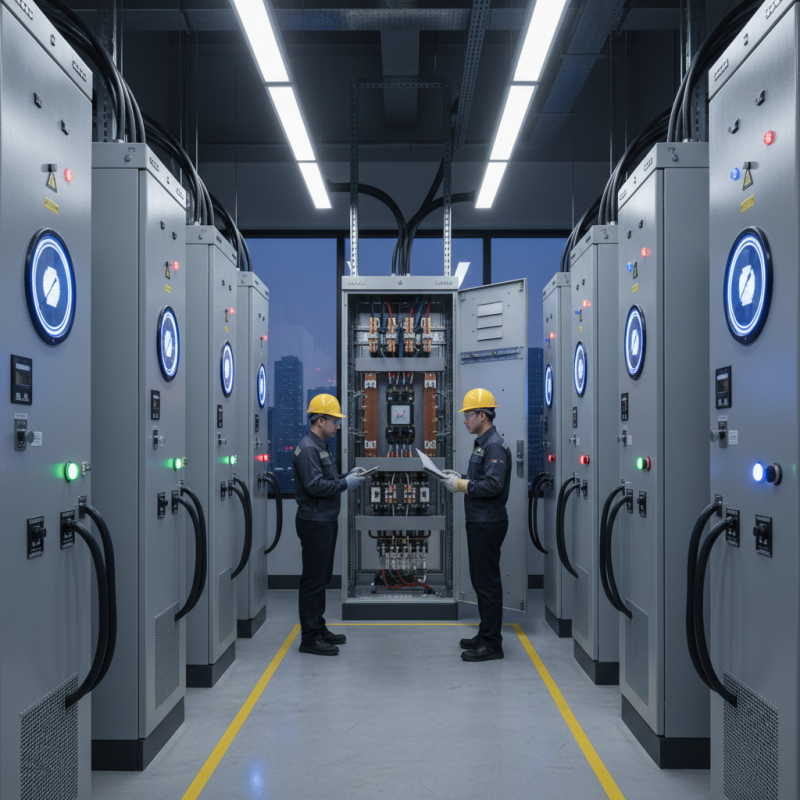
Understanding High Voltage Switchgear: Key Components and Functions
High voltage switchgear plays a crucial role in electrical distribution systems. Understanding its key components is essential for effective operation. At its core, switchgear includes circuit breakers, disconnectors, and fuses. These components work together to control, protect, and isolate electrical equipment. Circuit breakers automatically interrupt power flow if faults occur. This prevents damage to machinery and improves safety.
In addition to circuit breakers, disconnectors are vital. They isolate sections of the electrical system during maintenance. This ensures that technicians can safely work on equipment without risk of electric shock. Fuses serve as an additional layer of protection. When overloaded, they melt to break the circuit, preventing further damage. Each part of the switchgear contributes to a safer and more reliable power distribution process.
Choosing the right switchgear involves careful consideration. Factors include the system's voltage levels, load requirements, and environmental conditions. It’s important to assess the reliability of these components. Sometimes, overlooked characteristics may cause inefficiencies or failures. Evaluating maintenance needs and operational longevity is essential. There’s no one-size-fits-all solution; each installation requires a tailored approach.
Assessing Your Power Requirements for Optimal Switchgear Selection
Assessing your power requirements is essential when selecting high voltage switchgear solutions. Start by evaluating your current and future power needs. Consider the total load of your facility and any potential expansions. This helps avoid under-sizing or over-sizing your switchgear. Each situation is unique, and a one-size-fits-all approach may lead to inefficiencies.
Work closely with engineers who understand your operational demands. Engage in discussions about peak usage times and evaluate historical data. You may notice fluctuations that point to specific requirements. Document these patterns, as they highlight the need for tailored solutions. Reliability is key; inadequate switchgear can lead to downtime and costly repairs.
Explore the available technologies on the market. Some options may offer advanced features that suit your application. However, assess whether these features align with your needs. Overly complex systems could introduce unnecessary risks and maintenance challenges. In this landscape, thorough research and balancing needs against capabilities will guide you in making informed decisions.
Evaluating Safety Standards and Compliance in High Voltage Systems
When selecting high voltage switchgear, safety standards and compliance are paramount. According to the IEC 62271 standard, all high voltage switchgear must undergo rigorous testing to ensure reliability and safety. Compliance with these standards helps prevent failures that could result in serious injury or equipment damage. For instance, a report by the International Electrotechnical Commission indicates that poor compliance can lead to a 15% increase in operational risks.
Understanding local regulations and industry guidelines is critical. Each region may have specific requirements that influence the design and functionality of switchgear. A study by the IEEE revealed that facilities adhering strictly to safety compliance reduce accidents by nearly 30%. This underlines the importance of thorough evaluation during the selection process. Ignoring these aspects can result in catastrophic outcomes.
Many criteria come into play, such as insulation levels and protection systems. It is essential to consider environmental factors, too. Studies show that high humidity or extreme temperatures can compromise switchgear performance. Professionals should not overlook the potential for wear and tear over time. Regular inspections and adherence to manufacturer guidelines are necessary. Disregarding these can lead to critical failures down the line.
High Voltage Switchgear Solutions Safety Standards Evaluation
Comparing Different Types of High Voltage Switchgear Solutions
When selecting high voltage switchgear solutions, it is essential to consider several key types available on the market. Among these, air-insulated switchgear (AIS) remains popular for its efficiency and robustness. According to the latest industry reports, AIS accounts for nearly 60% of high voltage installations globally due to its reliability. It typically requires less maintenance than other systems, making it a cost-effective option for utility operators.
On the other hand, gas-insulated switchgear (GIS) is gaining traction. This type is compact and performs well in limited space. A report by global market analysts indicates GIS installations have increased by 15% year-on-year, driven by urbanization and the need for reliable power distribution. However, the initial costs for GIS can be significantly higher than AIS, which can present budgetary challenges.
Hybrid switchgear combines the benefits of both AIS and GIS. It provides flexibility and reduces footprint while maintaining operational effectiveness. Yet, this hybrid technology can lead to complexities in maintenance and lifecycle management. Making the right choice requires weighing upfront costs against long-term operation and maintenance expenses, which varies by project needs and resource availability.
Analyzing Cost Factors and Long-Term Value in Switchgear Investment
When investing in high voltage switchgear, understanding cost factors is essential. Initial costs can vary widely due to design, materials, and operational specifications. Cheaper options may seem appealing, but they often lead to increased long-term expenses. Maintenance and replacement costs can quickly add up.
Evaluating the long-term value is just as crucial. A more expensive switchgear might offer greater efficiency and longevity. This can result in lower operational costs and fewer disruptions. It’s essential to factor in potential energy savings and reduced downtime when weighing your investment.
Consider the product lifecycle. Some switchgear solutions may require updates or replacements sooner than others. You must reflect on your facility's future needs. Will your energy demands grow? Assess various configurations and technologies. The right switchgear should balance upfront investment and future reliability.





