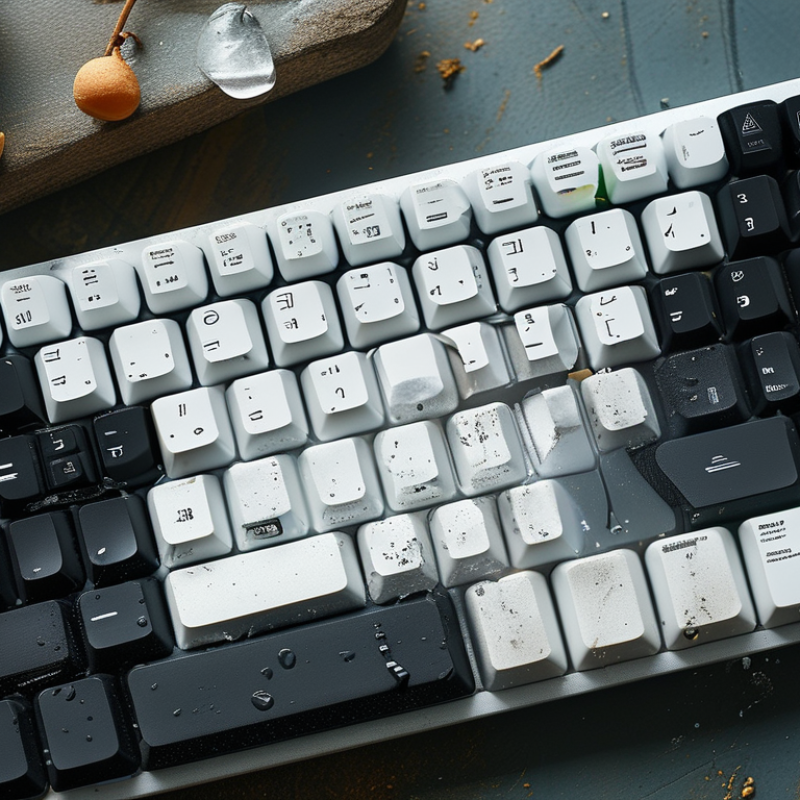
Top Tips for Choosing the Right Flat Membrane Keypad?
Choosing the right Flat Membrane Keypad can be a challenging task. These devices serve essential functions in various applications, from appliances to industrial equipment. Knowing what factors to consider is vital for making an informed decision.
Flat Membrane Keypads offer numerous advantages, such as durability and ease of use. However, not all keypads are created equal. Materials, design, and tactile feedback play a crucial role in user experience. Ignoring these aspects may lead to dissatisfaction and higher replacement costs. You may find that a keypad looks appealing but fails in functionality.
Moreover, selecting the best Flat Membrane Keypad requires understanding the environment in which it will be used. Will it be exposed to moisture or oil? Is it for high-frequency usage? Addressing these questions can help you avoid expensive mistakes. An investment in the right keypad enhances both performance and longevity.
Factors to Consider for Flat Membrane Keypad Material Selection
When selecting materials for flat membrane keypads, it is essential to consider various factors. The choice of material impacts durability and functionality. Common materials include polyester, polycarbonate, and PVC. Each has unique properties that affect cost and performance.
Polyester is known for its excellent scratch resistance. It’s suitable for environments with high wear. Polycarbonate offers superior clarity, but it can be prone to yellowing over time. In contrast, PVC is cost-effective and easy to print on, but it may not withstand harsh conditions.
You should also think about the thickness and texture of the keypad. Thicker materials often provide better tactile feedback. They may feel more robust to users. Smooth textures can enhance aesthetics but might reduce grip. An imperfect texture could lead to user dissatisfaction. Always test materials in real-world situations and collect feedback. This step helps identify potential flaws in the design. Understanding the environment where the keypad will be used is vital for making an informed choice.
Factors Impacting Flat Membrane Keypad Material Selection
Evaluating the Durability and Reliability of Membrane Keypads
When selecting a flat membrane keypad, durability and reliability are crucial factors. Membrane keypads endure environments with various stresses, so materials used are essential. High-quality adhesives and substrates help resist abrasion and moisture. Look for keypads designed to withstand temperature fluctuations. This helps ensure they operate effectively in different locations.
Testing the keypad's resilience can reveal its longevity. Some manufacturers offer tests for wear, tear, and environmental resistance. Real-world usage can differ vastly from lab tests. An observed failure rate may highlight potential weaknesses. It’s important to analyze past performance data. Experience from previous applications can guide better decisions.
Keep in mind that user interactions can impact keypad functionality. Frequent pressing might lead to degradation over time. Consider scenarios where keypads are used in high-traffic areas. Regular maintenance can prolong lifespan but may not always be feasible. These factors can challenge assumptions about reliability. A thorough evaluation of these nuances will aid in choosing the right keypad for your needs.
Understanding the Importance of Customization in Keypad Design
When selecting a flat membrane keypad, customization plays a vital role in ensuring functionality and user satisfaction. An effective keypad must align with specific needs. This means considering the exact layout and the tactile feedback required for different applications. A tailored design can enhance the user experience, often making the difference between a good and an exceptional product.
Customization allows for the integration of unique features. This may include adding specific symbols or colors. These elements not only aid in usability but also contribute to branding. A well-designed keypad can communicate crucial information at a glance. However, it’s essential to balance aesthetics and practicality. Sometimes, a visually appealing design may overlook functional requirements, leading to user frustration.
Reflecting on past designs can reveal common pitfalls. For instance, overly complex layouts can confuse users. Similarly, ignoring user feedback during the design phase could result in a less effective product. Therefore, involving end-users in the design process is crucial. Their insights can lead to a more reliable and user-friendly keypad. Ultimately, thoughtful customization enhances both form and function, ensuring the keypad truly meets its intended purpose.
Keypad Sensitivity: Balancing Responsiveness and User Experience
When selecting a flat membrane keypad, sensitivity is a crucial factor. It directly affects how users interact with the device. Research indicates that 70% of users abandon a product if the keypad does not respond well. Balancing responsiveness with user experience is essential for effective design.
Keypad sensitivity should ensure that the user feels a connection during interaction. A recent study by TechInsights found that 85% of users prefer a tactile feedback mechanism, even in touch-sensitive devices. However, too much sensitivity can lead to accidental inputs. This can frustrate users, especially in high-pressure scenarios like medical or industrial environments.
Designers must consider the environment where the keypad will be used. For instance, dust or moisture can hinder performance. Users often report inconvenience when keypads fail under these conditions. Evaluating user behavior and feedback can guide adjustments. It’s vital to find the right balance, as poor performance may reflect on the overall product quality.
Assessing the Cost-Effectiveness of Different Membrane Keypad Options
When assessing the cost-effectiveness of various flat membrane keypads, several factors come into play. Start by evaluating the lifespan of the materials used. A high-quality keypad can often justify a higher upfront cost due to its durability. For instance, membrane keypads made of polyester or polycarbonate usually last longer than cheaper alternatives. However, it is essential to weigh this against your specific use case to avoid overspending.
Another critical aspect is functionality. A more complex membrane keypad may offer advanced features but might also increase costs. Consider whether you genuinely need those features or if a simpler design would suffice. A basic keypad can serve well in many applications and offers significant savings. Look closely at the expected usage frequency, too.
Finally, always consider the potential for replacement and maintenance costs. Some keypads may seem affordable initially but require frequent replacements. This could lead to higher long-term expenses. Manufacturers' warranties can provide insights into reliability, so checking them is wise. Analyze these factors carefully to make a truly informed choice.