Essential Tips for Choosing Carbide Wear Plates?
Choosing the right carbide wear plates is crucial for industries dealing with heavy machinery and abrasive materials. These plates are designed to withstand high wear and tear, thus prolonging equipment life. According to a report by the Global Wear Plate Market, the demand for durable wear solutions is growing at an annual rate of 5.2%. This data highlights the importance of selecting the best options tailored to specific applications.
Understanding the material properties of carbide wear plates is essential. They typically offer superior hardness and resistance to abrasion. However, not all carbide plates are created equal. Some may lack the necessary toughness for high-impact applications. A study by the American Society of Mechanical Engineers revealed that improperly chosen wear plates can decrease equipment efficiency by up to 30%.
Considering factors like thickness, composition, and manufacturer reputation is vital. Users should reflect on their operational needs and the wear conditions they face. While there are numerous options available, aligning specific requirements with the right carbide wear plates often presents challenges. Taking the time to evaluate choices carefully can yield significant long-term benefits.
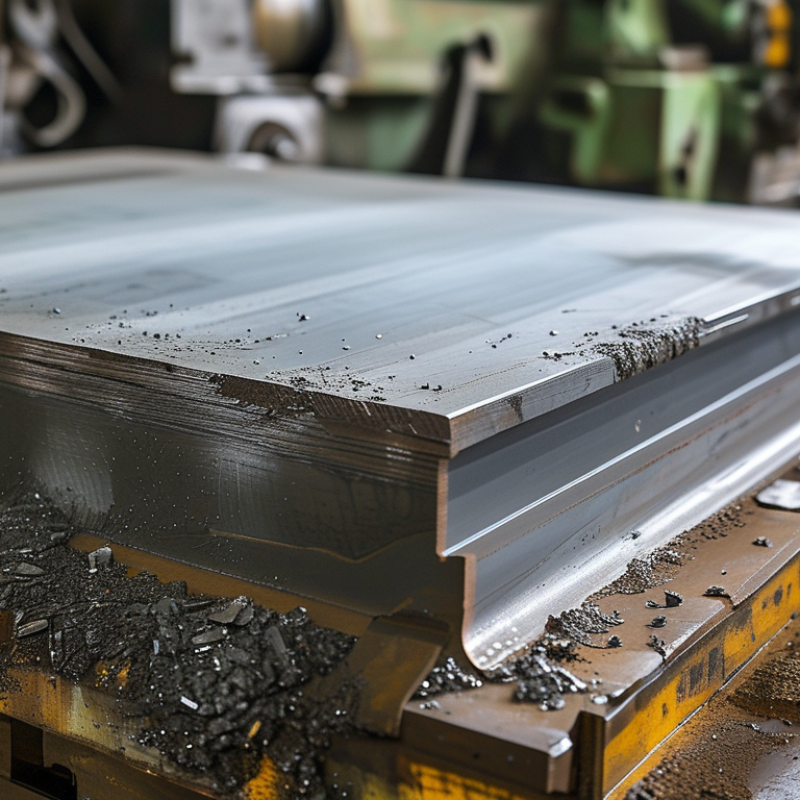
Understanding the Basics of Carbide Wear Plates
When selecting carbide wear plates, understanding their significance is crucial. Carbide wear plates are engineered to withstand extreme conditions. They are often used in mining, construction, and manufacturing. Their hardness provides excellent abrasion resistance. This makes them ideal for high-wear applications. However, not all carbide plates are created equal.
Assess the specific needs of your operation. Consider factors like thickness, width, and length. The right choice can greatly impact efficiency. Pay attention to the mounting methods as well. Holes or no holes? It can make installation easier.
Tips for choosing the right carbide wear plates: Always evaluate the wear environment. Is it abrasive, corrosive, or both? This will determine the type of carbide you need. Look into the plate’s heat resistance. Not all situations involve heat, but it's essential to consider. Ensure the supplier provides detailed specifications to make informed decisions. Remember, a small oversight can lead to premature wear or costly replacements.
Key Factors to Consider When Selecting Carbide Wear Plates
When selecting carbide wear plates, understanding the materials' specifics is crucial. The composition of the carbide significantly influences its hardness and durability. Choosing the right grade requires knowledge of the operating conditions the plates will face. High-impact applications demand tougher compositions, while lower-stress environments may allow for more standard options.
Additionally, consider the dimensions and thickness of the wear plates. Proper fit is essential for optimal performance. Misaligned or improperly sized plates can lead to premature wear and increased replacement costs. Look for suppliers who provide detailed specifications and support. This can help you make informed choices based on experience.
Lastly, think about the installation process. Even the best carbide wear plates can underperform if not installed correctly. Look for guidance or documentation that addresses common installation challenges. Relying on expert insights can help you avoid potential pitfalls.
Comparing Different Types of Carbide Wear Plates
When selecting carbide wear plates, it’s crucial to understand the various types available. Each type serves specific applications based on hardness, wear resistance, and thermal stability. There are different base materials: high-carbon steel, stainless steel, and even aluminum. Choosing the right base can significantly impact performance.
Carbide wear plates also differ in their coating methods. For instance, some plates use a welded overlay, while others opt for thermal spraying. Each coating method affects how well the plate withstands abrasive environments. It is important to consider the operating conditions, as extreme temperatures may change the material properties.
Not all carbide plates are created equal. Some may offer a longer lifespan, but at a higher initial cost. Others might be economical but wear down quickly. Investing in quality wear plates can reduce downtime and maintenance. However, sometimes the cheapest option does not deliver the expected results. Understand your needs, and consider all factors before making a choice.
Evaluating Wear Resistance and Durability in Carbide Plates
When considering carbide wear plates, evaluating wear resistance and durability is crucial. Industry reports indicate that carbide plates can significantly enhance machinery performance. Hardness levels generally range from 55 to 90 HRA, impacting how well they resist wear. For example, plates with higher hardness ratings tend to offer a longer service life. However, this doesn't mean that all high-hardness plates are the best choice for every application.
Tips for selecting the right carbide plate include assessing operational conditions. Factors such as temperature and the type of wear are essential. According to the Metal Treating Institute, wear due to abrasion can lead to significant downtime in production. Choosing plates with specialized coatings may mitigate this issue. It's also worth noting that cracked or chipped plates can compromise performance.
Another critical point is the balance between wear resistance and brittleness. Some plates that excel in wear resistance may be more prone to fracture under impact. Experts recommend periodic inspections to detect early signs of wear. Understanding how carbide wear plates interact with other materials can also refine your selection process. The right choice not only improves efficiency but also reduces maintenance costs long-term.
Maintenance Tips for Longevity of Carbide Wear Plates
When it comes to maintaining carbide wear plates, regular inspections are crucial. Check for visible wear and tear frequently. Look for signs of chipping or cracking. These issues can lead to larger problems if not addressed. The composition of carbide provides durability, but it is not indestructible. Being proactive can extend its lifespan.
Proper cleaning is another essential aspect. Dust and debris can accumulate, impacting performance. Use recommended cleaning agents to ensure effective removal. High-pressure washing can be beneficial but should be performed with care. Overzealous cleaning may lead to unintended damage.
Finally, consider the operating environment. Extreme temperatures and corrosive materials can affect wear plates. Implementing protective measures can mitigate these effects. These reflections will help you adapt and improve your maintenance methods over time.
Essential Tips for Choosing Carbide Wear Plates
This chart illustrates the different factors to consider when selecting carbide wear plates, based on their significance in durability and performance.





