Top 5 Tips for Choosing the Right Carbide Indexable Insert?
In the manufacturing industry, choosing the right Carbide Indexable Insert can significantly impact efficiency and productivity. According to industry reports, the global demand for these inserts is projected to grow by over 5% annually. This growth reflects their essential role in machining operations. Experts stress the importance of selecting inserts that match specific machining requirements.
John Miller, a seasoned expert in cutting tools, once stated, “The right insert can make the difference between success and failure in machining tasks.” His insights emphasize the need for careful evaluation of options. Factors such as material type, cutting speed, and tool geometry are crucial in determining effectiveness.
Understanding the nuances of Carbide Indexable Inserts can be challenging. Many users overlook critical specifications and their effects on production. This oversight can lead to inefficiencies and increased costs. Investing time in selecting the right insert is essential for optimal performance.
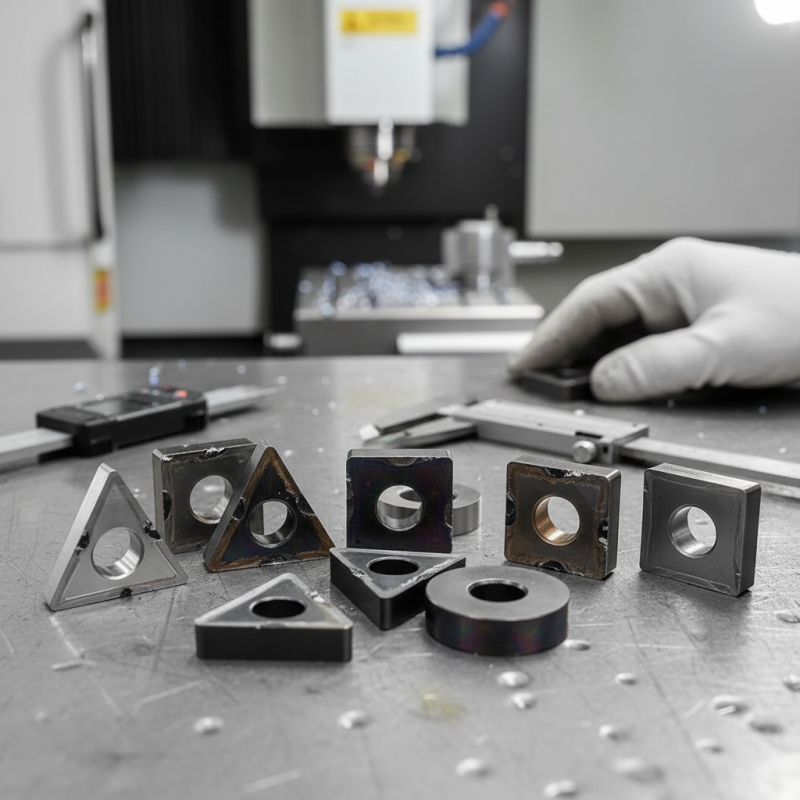
Understanding Carbide Indexable Inserts: Definition and Types
Carbide indexable inserts are crucial tools in machining processes. They are designed for cutting and shaping materials like metal and plastic. Understanding their types helps in selecting the right insert for specific tasks. Inserts come in various shapes, such as flat, triangular, and round. Each shape serves a unique purpose, impacting the quality of the cut.
Choosing the right insert involves considering the application. For instance, a flat insert works well for face milling. In contrast, a triangular insert excels at creating sharp edges on components. The coating of the insert is also important, as it affects durability. Some coatings resist heat, while others enhance cutting precision. A misstep in choosing these aspects could lead to inefficient machining and increased costs.
One must remember that experience plays a vital role. No insert type is universally perfect for every situation. Often, trial and error is necessary to find the best fit. Data collected from performance can guide better choices. Each machining environment is unique, and adjustments may be required over time.
Key Factors in Evaluating Insert Geometry for Optimal Performance
When selecting the right carbide indexable insert, evaluating geometry is crucial for performance. Different geometries impact cutting speed, chip formation, and tool life. Understanding these factors helps refine your machining processes.
One tip is to consider the rake angle. A positive rake angle improves cutting efficiency and reduces friction. However, it may sacrifice insert strength. A neutral or negative rake provides more durability but can create larger chips. Analyze your specific application to decide.
Another aspect is the insert shape. Worn inserts often lead to inconsistent results. Round inserts offer better toughness and are ideal for high feed rates. Meanwhile, sharper inserts are suited for finishing jobs. Think about the materials you are working with to guide your choice here.
Monitoring performance is key. Track how different geometries affect your output. Your observations can lead to improvements. This feedback loop creates opportunities for better decision-making in future insert selections.
Material Compatibility: Choosing Inserts for Different Workpiece Materials
When selecting the right carbide indexable inserts, material compatibility is crucial. Different workpiece materials demand specific insert geometries and coatings. For instance, machining aluminum typically requires inserts with sharp edges and lower rake angles, while stainless steels call for more robust designs to handle work hardening.
In a recent industry report by the Machining Journal, it was noted that using the wrong insert can reduce tool life by up to 30%. This is significant, as tool failure not only increases costs but also downtimes. Thus, understanding the material you’re working with is essential.
Tip: Always match your insert material with the workpiece. For cast iron, choose inserts made from high-speed steel or carbide with specific coatings.
Some users often overlook the effects of
cutting speed and
feed rates based on the insert used. For instance, slower speeds can lead to poor surface finishes. It’s important to experiment and refine your machining parameters based on the specific insert selected.
Tip: Don’t hesitate to consult with material data sheets. They provide invaluable insights into compatibility and suggested settings for optimal performance. This proactive approach can prevent costly mistakes and enhance overall productivity.
Cutting Conditions: How Speed and Feed Impact Insert Selection
Cutting conditions are critical when selecting carbide indexable inserts. Speed and feed rates directly impact insert performance and lifespan. A higher cutting speed can enhance production rates but may lead to faster wear. Conversely, low speeds can cause inadequate cutting, leading to tool accidents.
Understanding the material being cut is essential. Each material behaves differently under varying speeds and feeds. Hard materials often demand slower speeds to maintain tool integrity. Soft materials might allow for aggressive feeds but can lead to insert deformation.
Choosing the right insert also involves trial and error. Not every combination yields optimal results. Adjusting parameters based on real-time feedback is crucial. Some users might push limits, while others may restrict themselves unnecessarily. Each approach has potential pitfalls, so ongoing evaluation is key.
Cost vs. Durability: Balancing Performance with Economic Considerations
Choosing the right carbide indexable insert involves balancing cost with durability. This can be a challenging task. Inserts that are cheaper might wear out faster. As a result, you’ll need to replace them frequently. This can drive up overall costs.
On the other hand, more durable inserts often come with a higher upfront price. Evaluating total costs over time is essential.
Consider the material you'll be working with. Different applications require different insert properties. Harder materials may demand more robust inserts that withstand wear. These inserts might cost more initially but could save money over time. It’s a delicate balance.
Tip: Always assess the insert's performance in your specific application. Testing different types can yield surprising insights. Sometimes a more affordable insert performs just as well as a premium option. Review your needs and factor durability into your calculations. Quality doesn’t always equal high cost. Being informed can help you make better choices.





