Top Tips for Choosing the Best Solar Lamp for Your Needs?
When it comes to outdoor lighting, choosing the right Solar Lamp can significantly enhance the ambiance of your space. Renowned solar energy expert Dr. Emily Carson once stated, "The right solar lamp can transform any dark corner into a welcoming area." This highlights the importance of selecting a lamp that fits your specific needs.
Understanding the various features of solar lamps is vital. Not every solar lamp is created equal. Options range from decorative garden lights to powerful flood lamps. Each type serves a unique purpose, impacting your selection process. Some lamps may lack brightness, while others might not withstand harsh weather. These considerations are crucial for durability and functionality.
As you navigate your options, reflect on your outdoor layout. Visualize how lighting can enhance pathways or highlight your garden. Keep in mind, a hasty choice might lead to disappointment. Take your time, evaluate, and ensure your chosen Solar Lamp meets your expectations for both style and performance.
Understanding the Different Types of Solar Lamps Available
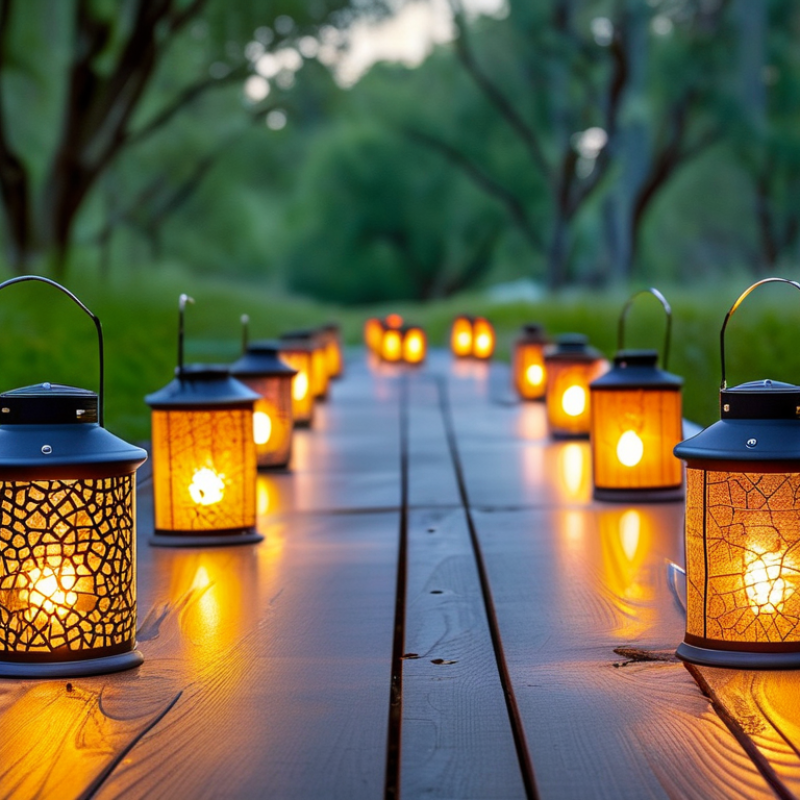
When selecting a solar lamp, it’s crucial to understand the various types available on the market. Generally, solar lamps can be categorized into three main types: solar pathway lights, solar floodlights, and solar lanterns. Each type serves different purposes and has unique features that cater to diverse needs.
Solar pathway lights are best for illuminating walkways and garden paths. They often feature LED bulbs that provide sufficient light for safe navigation. According to a report from the Solar Energy Industries Association (SEIA), these lights can efficiently convert sunlight to energy, providing illumination for up to 12 hours on a full charge. However, their brightness may not suffice for larger areas.
Solar floodlights, on the other hand, are suitable for security and are typically brighter than pathway lights. They often come with motion sensors, enhancing safety features. However, users sometimes find them challenging to install or position correctly.
Finally, there are solar lanterns, which are portable and great for camping or outdoor events. Nonetheless, their performance may vary based on weather conditions and battery quality. Choosing the right type requires careful consideration of your specific needs and the limitations of each solar lamp type.
Evaluating Brightness Levels and Light Output for Your Needs
When selecting a solar lamp, evaluating brightness levels is crucial. Brightness is typically measured in lumens. For outdoor use, look for lamps that offer at least 100 lumens for basic lighting. For pathways or security lighting, aim for 300 lumens or more. According to the U.S. Department of Energy, a good outdoor lighting solution can enhance visibility and safety.
Light output can greatly influence your choice. LED technology dominates the market, offering high efficiency and longevity. Most solar LED lamps provide between 10-30 lumens per watt. This means a 10 watt LED solar lamp can produce up to 300 lumens of light. However, not all lamps distribute light evenly. Some models may create hotspots that can be distracting.
Consider the color temperature too. Warmer light (around 2700K) creates a cozy ambiance, while cooler temperatures (5000K+) may be better for security purposes. A study from the International Association of Lighting Designers shows that color plays a key role in perception and safety. It's essential to choose a lamp that meets both your aesthetic and practical needs. Remember, not all products deliver the expected performance. Research reviews and specifications before making a decision.
Top Tips for Choosing the Best Solar Lamp for Your Needs
| Feature | Description | Brightness Level (Lumens) | Light Output Type | Battery Life (Hours) |
| Portable Design | Easy to carry and move around. | 100 | Warm White | 8 |
| Wall Mountable | Fixed installation for outdoor walls. | 150 | Cool White | 10 |
| Flood Light | Provides wide-angle illumination. | 300 | Bright White | 6 |
| Motion Sensor | Activates when motion is detected. | 200 | Cool White | 12 |
| Solar Lantern | Portable with easy charging. | 50 | Warm White | 15 |
Considering Battery Life and Charging Time for Optimal Use
When selecting a solar lamp, battery life and charging time are crucial factors. The average solar-powered lamp can last anywhere from 6 to 12 hours on a full charge. By understanding these metrics, you can choose a lamp that meets your requirements. According to industry data, roughly 70% of consumers rate battery longevity as the top feature in their solar lamp choice. A reliable battery should offer at least 300 charge cycles.
Charging times vary significantly. Most solar lamps take between 4 to 8 hours to fully charge. Indoor use can extend this duration, especially under low light conditions. For optimal performance, seek models equipped with efficient solar panels. Energy efficiency is vital; lamps with higher conversion rates can reduce charging time by 20%.
Many users overlook battery maintenance. Poor care can reduce battery lifespan to under 200 cycles. Regular checks can prevent this. A few simple steps, like cleaning the solar panel, can enhance performance. Regular reflection on these aspects ensures your solar lamp meets your needs efficiently. Make informed choices based on these factors for an effective and reliable solar lighting experience.
Assessing Durability and Weather Resistance Features
When selecting a solar lamp, durability and weather resistance are critical factors. According to a report by the Solar Energy Industries Association, over 30% of solar lamps fail due to exposure to the elements. Consequently, it is essential to choose a product designed for harsh weather conditions. Look for lamps that use UV-resistant materials to prevent deterioration in sunlight.
Check the IP rating of the solar lamp. Devices rated IP65 or higher are suitable for outdoor use. This rating indicates significant resistance to dust and water. Environmental conditions can vary widely, and some regions experience extreme weather. A lamp that withstands heavy rain, snow, or high winds is a smart investment.
Additionally, consider the longevity of the battery. Reports show that batteries in lower-quality solar lamps may last only a year. Higher quality options can function efficiently for 3-5 years. Remember that the lifespan of both the lamp and battery affects overall longevity. Durability ensures that you won’t spend too much on replacements in a short period. Balancing these factors can lead to a better choice for your needs.
Exploring Design and Aesthetic Options for Your Space
Selecting the right solar lamp involves more than just functionality. The design and aesthetic qualities are crucial to enhancing your space. Think about the style of your home and garden. A contemporary space may benefit from sleek, minimalist designs. In contrast, a rustic setting might suit a lantern-style lamp. Consider colors as well. Bright hues can add a playful touch, while muted tones offer subtle elegance.
When evaluating options, pay attention to size and placement. A large lamp can serve as a focal point, while smaller styles may blend into the background. Don’t overlook the importance of light quality. Warm tones create an inviting atmosphere. Cooler lights can feel stark and unwelcoming. Adjust lighting based on your desired ambience.
The materials used in solar lamps also matter. Metal can withstand the elements, but plastic may fade over time. Some designs are not as durable as they should be. Reflect on what you want from your solar lamp. Functionality shouldn’t compromise visual appeal. Take time to choose wisely. Aim for a balance that aligns with your personal taste and needs.
Solar Lamp Design and Aesthetic Options





