Top Tips for Choosing the Best Friction and Wear Tester?
Choosing the right Friction And Wear Tester is crucial for many industries. Experts emphasize the importance of precise testing in material development. Dr. Emily Carter, a leading researcher in tribology, states, "Choosing the right tester can make or break your material's performance." This highlights the significance of making an informed decision.
Many factors influence the effectiveness of a Friction and Wear Tester. Test parameters, machine design, and reliability all play roles. If you overlook any of these, it could lead to inaccurate results. In this multifaceted process, understanding specifications is essential. Sometimes, even a small detail can impact your testing outcomes significantly.
Consider the long-term implications of your choice. Investing in a high-quality Friction and Wear Tester may save costs over time. However, striking a balance between quality and budget can be challenging. It’s vital to reflect on both current needs and future developments. Your decision today will influence your innovations tomorrow.
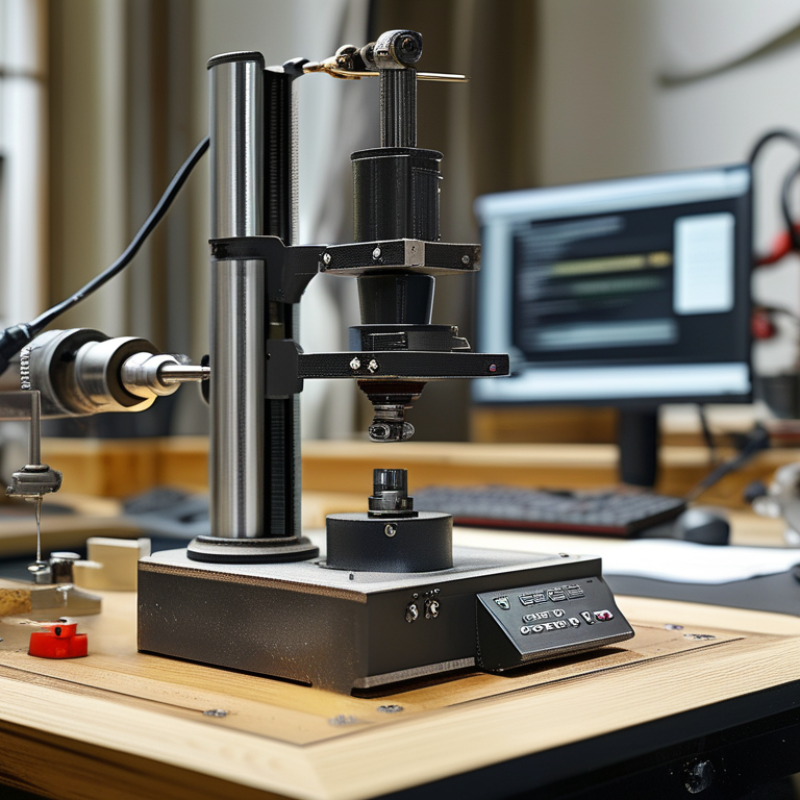
Understanding the Importance of Friction and Wear Testing
Friction and wear testing is essential in material science and engineering. It helps identify how materials will perform under various conditions. This knowledge is crucial for ensuring product durability and reliability. Effective testing leads to improvements in design and application, ultimately enhancing product longevity.
When selecting a friction and wear tester, consider the types of materials you will test. Different testers are designed for specific applications. It's vital to choose a tester that aligns with your project goals. Assess the precision and range of the equipment. A more precise machine may be necessary for critical applications.
Budget is another important factor. High-quality testers can be expensive. However, investing in reliable equipment is often worth it. Look for those with good reviews and proven track records. Consult with experts in the field to gain insights on your options. Their firsthand experiences can guide your selection effectively. Remember, the right testing equipment can significantly influence your results and research outcomes.
Key Factors to Consider When Selecting a Tester
When selecting a friction and wear tester, several key factors come into play. Understanding the test requirements is critical. The right tester should meet specific industry standards. Evaluate the materials you'll be testing to ensure compatibility. Different materials often require unique testing methods. This can affect the accuracy of the results.
Consider the testing environment as well. Some testers perform better under varying temperature and humidity conditions. The stability of the tester can also influence long-term results. Look for user-friendly interfaces to simplify operation. An intuitive design improves efficiency and minimizes human error.
Budget is another aspect that cannot be overlooked. High-quality testers can be expensive, but costly mistakes can arise from inferior equipment. It's important to balance quality with price. Seek peer recommendations and expert opinions. This can guide your decision-making process. Remember, investing in the right tester could save you time and resources in the long run.
Types of Friction and Wear Testers Available in the Market
Selecting the ideal friction and wear tester involves understanding various types available in the market. These testers can be broadly categorized into several types based on their testing methodology. One common type is the pin-on-disk tester. This method involves sliding a pin against a rotating disk. It helps simulate real-world conditions effectively.
Another type is the block-on-ring tester. This tester focuses on assessing the wear characteristics of materials under a rotating load. It's particularly useful for evaluating lubricants. These devices measure wear rates, friction coefficients, and can provide insights into material performance.
Different testers may offer specific advantages. However, each type comes with limitations. Understanding these trade-offs is essential for selecting the right device. Some users might find a tester challenging to calibrate. Others may need extensive training. It's crucial to consider the intended application and operational requirements.
Evaluating Tester Accuracy and Reliability for Your Needs
When evaluating the accuracy and reliability of a friction and wear tester, understanding its specifications is crucial. Take a close look at the test methods it supports. Different applications require varying testing standards. Ensure the tester can accommodate your specific needs, whether it’s for industries like automotive, aerospace, or materials research.
Calibration is vital for maintaining accuracy over time. Regular calibration checks can help ensure consistent results. If a tester fails to hold its calibration, the data it produces becomes questionable. It's often beneficial to choose testers with built-in self-diagnostic features. These enhance reliability by providing real-time feedback on performance.
Consider user-friendliness as well. A complicated interface may hinder your testing process. Investing time in training can help, but simplicity often brings efficiency. User manuals should be clear, and customer support should be accessible. Lastly, reflect on the durability of the equipment. Testing environments sometimes involve high wear conditions. If the tester isn't robust, it may yield unreliable data over time. Always weigh these factors to make an informed decision.
Top Tips for Choosing the Best Friction and Wear Tester
| Parameter | Description | Importance Level | Recommended Value |
| Load Capacity | Max load the tester can apply | High | > 100 N |
| Speed Range | Range of speeds at which tests can be performed | Medium | 0.1 to 3 m/s |
| Temperature Control | Ability to maintain desired temperature during tests | High | 20°C to 200°C |
| Data Acquisition Rate | Frequency of data collection during tests | High | 1000 Hz |
| Calibration Frequency | How often the tester needs to be calibrated | Medium | Every 6 months |
| User Interface | Ease of use and access to settings | High | Intuitive touch screen |
Budgeting and Cost Considerations for Friction and Wear Testers
When considering the purchase of a friction and wear tester, budgeting is crucial. It's essential to assess how much you are willing to invest. Costs vary significantly based on specifications and capabilities. A basic model may be affordable, but advanced features often require a higher budget. Balancing cost and features is vital for informed decision-making.
Keep in mind ongoing costs as well. Maintenance, consumables, and calibration can add to your budget over time. Consider potential repairs, too. Some testers might seem cheaper upfront but could incur higher costs later. Calculate the total cost of ownership rather than just the initial price.
Lastly, explore financing or leasing options. These can help spread out costs while acquiring the necessary equipment. It’s essential to weigh the benefits of purchasing versus leasing based on your specific needs. This decision requires thoughtful analysis and a clear understanding of long-term goals. Avoid rushing into a decision; assess all financial implications thoroughly.





