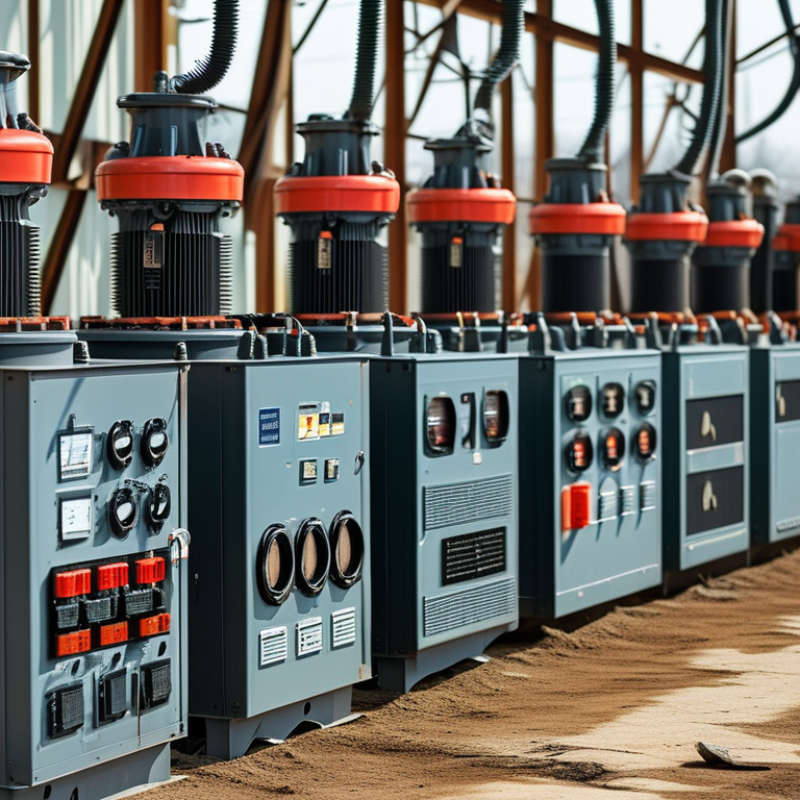
Top 10 Tips for Choosing the Best Dry Power Transformer?
When selecting a Dry Power Transformer, knowledge is crucial. This choice impacts performance and safety. A well-chosen transformer enhances efficiency and durability. Understanding transformer specifications helps prevent costly mistakes.
Many factors influence your decision. Consider voltage ratings, power rating, and cooling methods. Not all Dry Power Transformers are created equal. Each application demands specific features. Assessing your needs is essential for optimal operation.
In your search, reliability and quality are paramount. Engage with experienced suppliers or consult industry experts. Their insights can guide you to the right choice. However, experience also teaches caution. Mistakes in selection can lead to inefficiencies. Reflecting on past choices enables better future decisions.
Understanding the Basics of Dry Power Transformers
Dry power transformers play a crucial role in electricity distribution. Understanding their fundamentals can enhance decision-making. These transformers are known for their reliability and environmental safety. Unlike oil-filled transformers, dry transformers use air to dissipate heat. This design significantly reduces fire risks. According to the IEEE, dry transformers account for 30% of the global transformer market.
When selecting a dry power transformer, consider the application environment. Different settings require unique specifications. If the location has high humidity, choose a model with better insulation. Performance ratings, such as heat dissipation capability, should match your needs. Experts recommend reviewing rated voltage and current to ensure compatibility with your system.
Cost is another critical factor. A higher upfront cost may lead to savings in maintenance and operations. It's essential to evaluate the total cost of ownership. Look for transformers with a longer service life to maximize your investment. Always consult professionals who understand local regulations. Their expertise ensures compliance, minimizing future liabilities.
Evaluating the Power Rating and Efficiency Requirements
Choosing the right dry power transformer requires careful consideration of power ratings and efficiency. Understanding these factors helps ensure optimal performance and energy savings. The power rating signifies the maximum load the transformer can handle. It's crucial to match this rating with your specific application. An undersized transformer may overheat, while an oversized one could lead to inefficiencies.
Tip: Evaluate your load requirements thoroughly. Consider seasonal variations and potential future expansions. Don't overlook the efficiency rating. A higher efficiency means less energy loss, translating to cost savings over time. Look for transformers with a rating above 95%. This small percentage can yield significant savings and extend the transformer's lifespan.
It's also essential to assess your operating environment. High temperatures or humidity levels can affect performance. Ensure the transformer integrates well with your existing systems. Consult with experts when in doubt. Their insights can clarify ambiguous specifications. The landscape of dry power transformers is vast, and making an informed choice is vital.
Top 10 Tips for Choosing the Best Dry Power Transformer
This bar chart represents the efficiency ratings of different dry power transformers across various power ratings. The higher the efficiency percentage, the better the performance of the transformer.
Assessing Environmental and Installation Considerations
When assessing environmental and installation considerations for dry power transformers, it's crucial to evaluate multiple factors. These transformers must operate efficiently in various environmental conditions. Temperature plays a significant role. High temperatures can affect performance and longevity. Proper ventilation is essential to maintain optimal operating temperatures.
Another aspect to consider is the installation location. Proximity to moisture sources can lead to future complications. If installed in humid areas, condensation could affect insulation. It's vital to ensure that the site is dry and protected from flooding. Additionally, ensure there is enough space for maintenance. Crowded installations can hinder accessibility and lead to operational issues.
Noise can also be an environmental consideration. Some transformers generate noticeable sounds during operation. Choosing a location away from noise-sensitive areas can minimize complaints. If possible, sound barriers or enclosures can help reduce noise levels. These details may seem minor but significantly contribute to long-term satisfaction and reliability. Balancing these environmental factors helps ensure the effective performance of the transformer.
Comparing Different Designs and Technologies of Transformers
When it comes to choosing a dry power transformer, understanding the differences in designs and technologies is crucial. Transformers come in various configurations, including conventional and advanced designs. Conventional models typically offer robustness and reliability. However, they may lack the efficiency and compactness of modern designs. Advanced technologies, like amorphous core transformers, provide better energy efficiency but are often more complex and costly.
Consider your specific application needs. Are you prioritizing energy savings or initial cost? Dry type transformers are known for safety and low maintenance. They eliminate the risks associated with oil-filled units, especially in sensitive environments. Pay attention to the cooling methods as well. Air-cooled designs are popular but can be less efficient in high-load scenarios.
One tip is to evaluate the transformer's load capacity carefully. Ensure it meets or exceeds your requirements. Overloading a transformer can lead to failures and increased operational costs. Another important factor is insulation class. Higher classes offer better thermal resistance, extending the transformer's lifespan. It's essential to balance performance with budget constraints while considering future scalability in your choice.
Examining Safety Standards and Compliance Criteria
When choosing a dry power transformer, safety standards are crucial. Compliance with national and international safety norms ensures equipment reliability. This adherence helps prevent electrical hazards. Common standards include IEC, IEEE, and ANSI. Familiarity with these regulations can guide a well-informed choice.
Regular testing and validation are vital. Even the most reliable transformers may face issues. Periodic inspections can identify potential risks. Factors like thermal management and insulation characteristics must be evaluated. These components impact overall safety and efficiency.
Understanding the certifications associated with transformers builds trust. However, not all certifications hold the same weight. It’s essential to verify the legitimacy of these certifications. Consulting with industry professionals can provide insights to ensure compliance. Engaging with experts can elevate decision-making. A transparent approach to safety standards leads to better investments in electrical infrastructure.