Top Tips for Choosing the Best Cold Room Panel for Your Needs?
When selecting the right Cold Room Panel, several factors come into play. Your choice impacts the efficiency and functionality of your cold storage. These panels are not just insulation; they are vital to maintaining the right temperature for your products. Whether for food, pharmaceuticals, or other temperature-sensitive items, quality matters.
The market offers a variety of Cold Room Panels, each tailored for specific needs. However, navigating these options can be overwhelming. Consider factors like material, thickness, and design. Each element affects performance and durability. Additionally, understanding your specific temperature requirements is essential. The right panel will save energy and reduce costs.
It's important to recognize the complexities involved in this decision. Not all suppliers offer reliable panels. Research is key to ensuring you choose quality over price alone. Balancing budget constraints with the need for high standards is challenging. Reflecting on these aspects can guide you toward the best Cold Room Panel for your unique requirements.
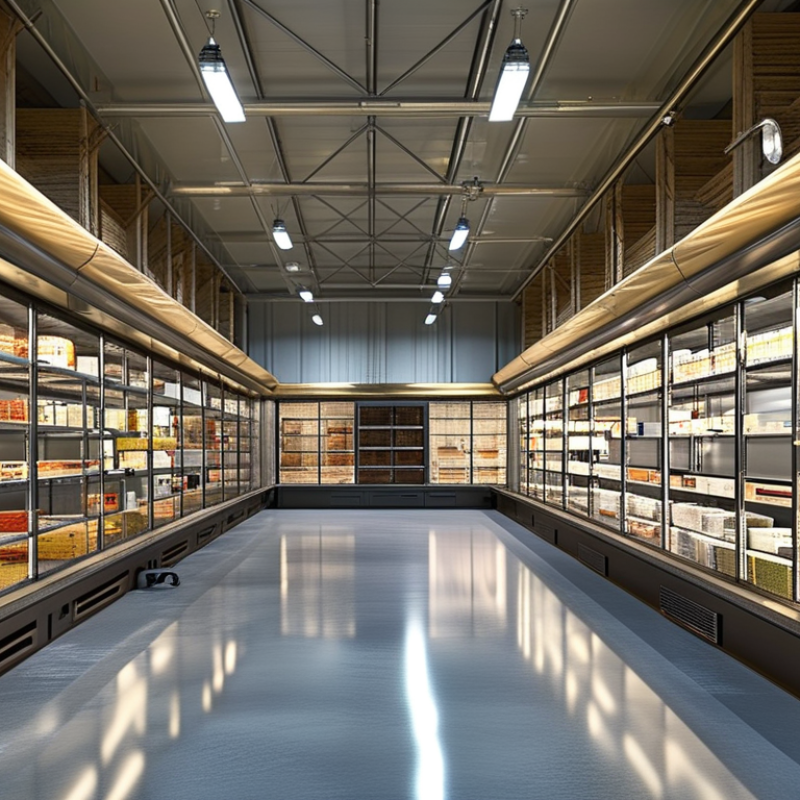
Understanding Cold Room Panels: Types and Materials
When selecting a cold room panel, understanding the types and materials is crucial. Cold room panels come in various types, each suiting specific needs. Commonly, you will find polyurethane, polystyrene, and mineral wool options. Each material has its pros and cons. Polyurethane panels offer excellent insulation and energy efficiency. However, they can be more expensive. Polystyrene, on the other hand, is lighter and often more affordable, but insulation is not as strong.
It's essential to consider the applications of these panels. For instance, mineral wool panels provide fire resistance. This is a vital feature for certain industries. However, their installation requires more effort and consideration. Many users overlook the importance of proper insulation. Poor insulation leads to energy waste, impacting overall costs.
Another detail to reflect on is durability. Panels must withstand various conditions. Moisture and temperature fluctuations can compromise longevity. Evaluate the environments where the panels will be used. This decision can save you from frequent replacements. Always seek panels that meet industry standards. A reliable choice ensures safety and efficiency for your cold storage needs.
Key Factors to Consider When Choosing Cold Room Panels
When selecting cold room panels, there are several key factors to consider. Insulation performance is paramount. According to industry data, the thermal resistance (R-value) of panels directly impacts energy efficiency. Panels with an R-value of 25 or higher are common standards for cold storage. This can help maintain consistent temperatures, reducing energy costs in the long run.
Material selection also plays a crucial role. Panels are typically made from materials like polyurethane, polystyrene, or fiberglass. Each material has a distinct thermal conductivity, which affects overall performance. For instance, polyurethane offers the best insulation but may come at a higher initial cost. Additionally, consider the panel’s thickness. Thicker panels can provide better insulation but may also increase weight and installation complexity.
Durability is another critical element. Cold rooms must endure harsh conditions. A panel's ability to resist corrosion and moisture will directly influence its lifespan. There is a trend indicating that panels designed for specific applications, such as food storage, exhibit improved resilience. However, it is essential to review performance reports critically. Not all panels perform as expected under real-world conditions. Always consult with industry professionals to navigate these complexities.
Assessing Insulation Efficiency for Optimal Performance
When selecting the right cold room panel, insulation efficiency is paramount. Proper insulation minimizes energy loss and maintains temperature. According to industry reports, effective insulation can reduce energy costs by up to 30%. This is essential for businesses looking to maximize efficiency.
Consider the panel's insulation material. Choices vary, from polyurethane to polystyrene. Each type has unique thermal resistance properties. For instance, polyurethane generally offers higher insulation effectiveness per inch than polystyrene. This can lead to reduced overall panel thickness and weight, benefiting installation processes.
Tip: Always check the R-value of a panel. The R-value quantifies the resistance to heat transfer. A higher R-value indicates better insulation. Aim for panels with at least an R-value of 18 for optimal cold storage.
Think about the environmental conditions, too. Humidity and temperature fluctuations can impact insulation performance. Sometimes, a panel might offer excellent thermal resistance but fail in a humid environment. This discrepancy can result in condensation problems.
Tip: Assess your specific needs before purchase. Evaluate your local climate and storage requirements. Tailoring choices to your situation ensures you avoid common pitfalls. Insulation efficiency needs careful consideration for lasting performance.
Insulation Efficiency Comparison of Cold Room Panels
Determining Size and Thickness Based on Usage Requirements
When selecting cold room panels, size and thickness play crucial roles. It’s essential to assess your specific usage requirements. For a storage facility focusing on perishables, thicker panels may be necessary. These panels provide superior insulation, maintaining a stable environment.
Consider the dimensions of your room. Larger cold rooms require careful planning. Measure the height, width, and depth to determine the panel sizes needed. If you're unsure about calculations, seeking help from a professional can be beneficial. Properly chosen dimensions ensure efficient energy use.
Tips: Always consider the ambient temperature where the cold room is located. Warmer climates might require thicker insulation. Also, think about the ease of installation; certain panels are simpler to handle than others. Don’t rush the decision; a poorly selected panel can lead to costly energy inefficiencies. Reflect on your long-term needs before making a choice.
Top Tips for Choosing the Best Cold Room Panel for Your Needs
| Dimension | Size (m²) | Thickness (mm) | Usage Type | Recommended Insulation |
| Small Cold Room | 15 | 100 | Storage of Fresh Produce | Polyurethane |
| Medium Cold Room | 30 | 150 | Frozen Goods Storage | Polyisocyanurate |
| Large Cold Room | 50 | 200 | Bulk Storage | EPS (Expanded Polystyrene) |
| Specialty Cold Room | 20 | 100 | Pharmaceutical Storage | Advanced Composite |
Cost vs. Longevity: Making an Informed Investment Choice
When choosing cold room panels, balancing cost and longevity is crucial. A recent industry report highlights that high-quality cold room panels offer a return on investment due to their durability. On average, these panels can last up to 20 years with proper care, while cheaper alternatives might only endure 5-10 years.
Cost often tempts buyers to opt for budget options. However, the long-term savings from replacing inferior panels frequently may outweigh initial savings. Not to mention, the energy efficiency of higher-quality panels tends to be better, leading to reduced operational costs. For instance, studies suggest that using superior insulation can save up to 30% in energy bills annually.
Investing wisely involves acknowledging potential downsides too. Some premium panels may require specific installation techniques, which could add to upfront costs. Therefore, before making a decision, it’s important to evaluate not just the price tag but also the total cost of ownership. Balancing these factors ensures that you make a decision that aligns with your operational needs and budget constraints.





