Top Tips for Choosing the Best Bowl Making Machine?
Choosing the right Bowl Making Machine is crucial for maximizing productivity and quality. With so many options available, it can feel overwhelming. Each machine offers different features and capabilities, making it essential to understand your specific needs. Quality, efficiency, and durability are key factors to consider before making a decision.
When evaluating these machines, think about the materials you will use. Various bowl making machines are designed for specific types of materials. Certain machines excel in handling heavier materials, while others focus on precision for lighter options. It’s important to reflect on what aligns best with your production goals.
User feedback plays a significant role in assessing reliability. Research reviews and case studies to help inform your decision. Remember, while a machine may appear top-tier, it might not suit your unique production demands. Take time to weigh your options carefully before proceeding with a purchase.
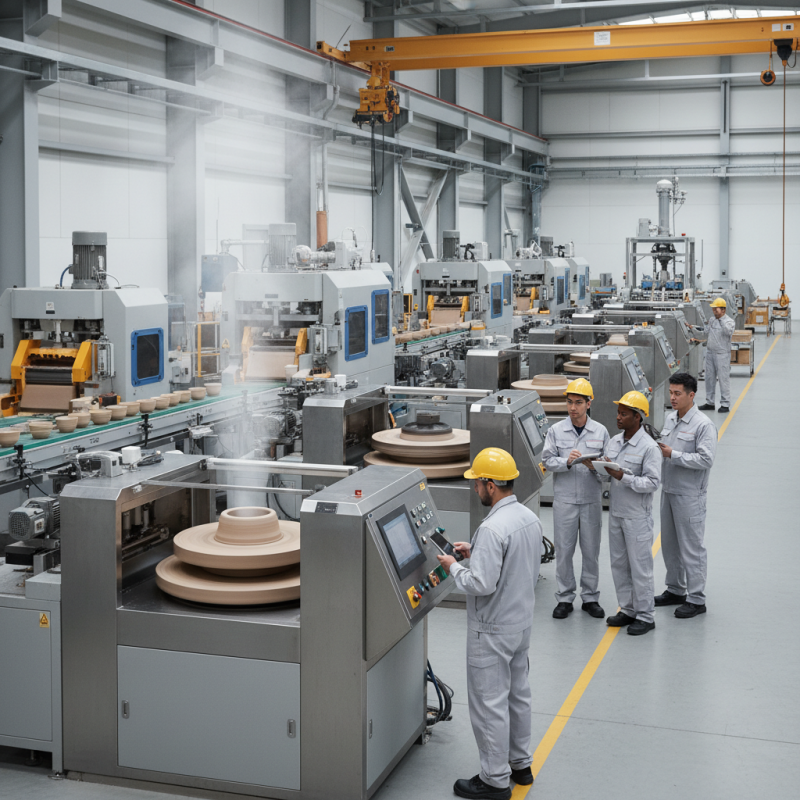
Understanding Different Types of Bowl Making Machines Available in the Market
When exploring bowl making machines, understanding the types available is essential. There are manual and automatic machines, each serving different needs. Manual machines require skilled operators, offering flexibility in production. They can produce unique designs but are often slower. Automatic machines, on the other hand, increase production efficiency. They handle large volumes, ideal for businesses focused on mass production.
Another type to consider is the electric bowl maker. These machines cater to specific designs and are user-friendly. They often come with presets for consistency. However, they may lack versatility. Additionally, there are specialized machines for crafting bowls from various materials. Each has its unique processes and requirements.
Choosing the right machine involves reflecting on your goals and production scale. Assessing your budget is critical. There’s always a trade-off between quality and cost. Some users may find that certain machines do not meet their expectations. It’s crucial to research and learn from others' experiences. Try to gather insights from seasoned users in forums or workshops.
Key Features to Look for When Selecting a Bowl Making Machine
When selecting a bowl-making machine, consider key features that impact performance. Look for the machine’s material compatibility. Different materials require specific machines for optimal results. A strong design suited for various shapes helps to diversify production. Versatility can lead to increased market potential.
Speed is another crucial factor. Machines that operate quickly can significantly boost productivity. However, speed should not compromise quality. Look for machines that can maintain precision while increasing output. Pay attention to the controls. User-friendly interfaces reduce training time and minimize errors.
Furthermore, maintenance requirements impact long-term efficiency. Machines that are easy to clean can save time and effort. Regular upkeep should be straightforward to prevent breakdowns. Don’t overlook warranty and support options, as these ensure reliable service. Investing in a machine with a strong support system often translates to peace of mind. Each feature plays a role in your final decision.
Top Tips for Choosing the Best Bowl Making Machine
| Feature | Importance | Considerations |
| Manufacturing Capacity | High | Choose based on your production volume needs. |
| Material Compatibility | Medium | Check if the machine can work with various materials. |
| Ease of Use | High | Look for user-friendly controls and interfaces. |
| Maintenance Requirements | Medium | Consider how often the machine needs servicing. |
| Energy Efficiency | High | Choose machines that minimize power consumption. |
| Safety Features | Essential | Ensure the machine has adequate safety mechanisms. |
| Price | Variable | Compare prices while ensuring quality standards. |
Assessing the Production Capacity and Speed Requirements
When selecting a bowl making machine, assessing production capacity and speed is crucial. An ideal machine should meet your production needs without compromising quality. Think about the volume of bowls you intend to produce daily. If your output demands are high, a fast machine can enhance efficiency. However, speed should never replace accuracy in creating durable products.
Understanding your production landscape helps in making better choices. Speed requirements can vary based on the complexity of the bowls. A simple design might need less time, while intricate patterns could slow down production. It's essential to find a balance. Fast machines sometimes lead to errors, requiring additional time for corrections.
Sometimes, companies prioritize rapid production, neglecting quality checks. A slower machine might allow for better oversight and quality assurance. Rushing can result in higher defect rates and increased waste, which ultimately impacts profitability. An optimal machine supports your unique needs while maintaining high standards. The right choice requires careful consideration and ongoing reflection on your production strategy.
Production Capacity and Speed of Bowl Making Machines
Evaluating the Durability and Maintenance Needs of Machines
When selecting a bowl making machine, durability and maintenance are crucial factors. Machines made from high-quality materials tend to last longer. Steel and heavy-duty plastics resist wear and tear better than standard materials. It's essential to research the manufacturer's reputation. A reliable brand usually has a good track record in durability.
Regular maintenance can significantly impact the machine's lifespan. Machines require lubrication and cleaning to function optimally. Some users overlook this, leading to breakdowns. Understanding the maintenance needs is critical. Checking the user manual ensures proper care. Some machines may need more frequent maintenance than others.
Furthermore, consider the availability of spare parts. Machines with difficult access to parts can cause delays when repairs are needed. Different models have varying complexities. A simple design may be easier to maintain but could limit features. Weighing these options involves reflection on long-term goals. Balancing durability and maintenance will lead to a more satisfactory investment.
Analyzing the Cost-Effectiveness and Return on Investment (ROI)
When choosing a bowl making machine, analyzing cost-effectiveness is crucial. This involves looking at initial expenses versus long-term benefits. A reliable machine may have a higher upfront cost. However, it can lead to lower maintenance costs and increased production efficiency over time.
Return on investment (ROI) should also be a key focus. Calculate how long it will take to recover your investment through savings and increased production. Look at factors like energy consumption and durability. Investing in a more efficient machine can accelerate ROI, enhancing your overall profitability.
Consider factors like warranty and service support. Machines with extended warranties can be more reliable. Yet, it's also important to reflect on potential drawbacks. A higher price does not always guarantee better performance. Evaluating user reviews and seeking expert advice can help reduce uncertainty.





