Top 5 Tips for Choosing a Single Acting Steering Cylinder?
Choosing the right Single-Acting Steering Cylinder is crucial for optimal vehicle performance. These cylinders play a key role in steering systems, affecting precision and control during operations. Selecting the right model requires careful consideration of various factors that can influence your vehicle's efficiency.
Understanding the specific needs of your vehicle is essential. Factors like load capacity, stroke length, and mounting style should be taken into account. A mismatch could lead to poor steering response or mechanical failures. The market offers diverse options, making it easy to feel overwhelmed. Yet, with the right insights, you can navigate these choices effectively.
Quality and reliability are paramount. Look for cylinders from trusted manufacturers with proven track records. Product reviews and expert recommendations can provide valuable guidance. Additionally, consider the long-term implications of your choice. A short-term, less reliable solution may lead to higher replacement costs later. Balancing initial investment with future reliability is key.
Understanding the Basics of Single Acting Steering Cylinders
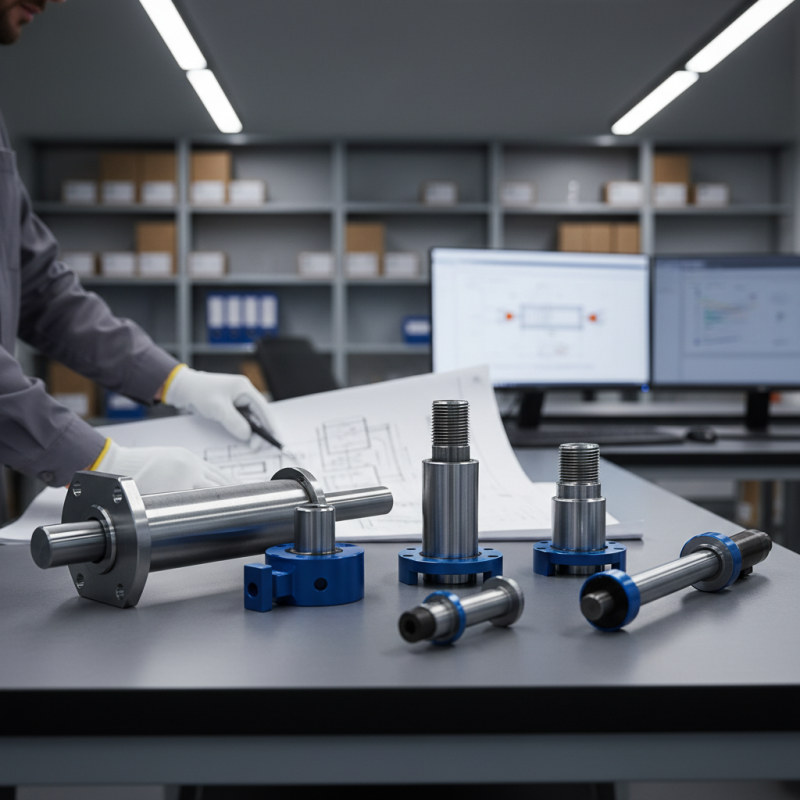
Single acting steering cylinders are essential in various machines, particularly in construction and agriculture. They are designed to exert force in one direction. According to a recent industry analysis, around 70% of steering systems utilize single acting cylinders due to their simplicity and efficiency. Understanding their basics helps in making informed decisions.
These cylinders consist of a piston that moves within a single chamber. When hydraulic fluid enters, it pushes the piston, enabling movement. The return motion relies on external forces, such as gravity or a spring. More than 45% of users in the hydraulic industry report issues with misalignment during installation, emphasizing the need for precision in selection. Factors like load capacity and cylinder stroke length are crucial considerations.
It’s vital to evaluate the material of the cylinder rod. Steel is common, but wear resistance and corrosion factors matter significantly. Approximately 30% of failures stem from inadequate material choice. Additionally, factors like operating pressure and environment should not be overlooked. While single acting cylinders are robust, their limitations require careful planning. Users often need to revisit their choices to ensure optimal performance under varying conditions.
Identifying Key Performance Requirements for Your Application
When selecting a single acting steering cylinder, understanding your application's performance requirements is crucial. The load and pressure requirements will significantly affect your choice. Consider the weight the cylinder will lift and the maximum pressure it will encounter. This must align with your operational needs to ensure efficient functionality.
Another important aspect is the stroke length. Evaluate the distance over which your application will operate. A cylinder with too short a stroke may not meet your needs. Conversely, an unnecessarily long stroke could lead to wasted space and added weight. Make precise measurements to optimize your selection process.
For optimal performance, consider the environment where the cylinder will function. Temperature fluctuations or exposure to harsh chemicals can directly impact cylinder durability. Look for materials that can withstand these conditions. Focusing on these key performance requirements will lead you to a reliable solution. Deep consideration of these factors helps ensure the longevity of your equipment and minimizes downtime.
Evaluating Material and Build Quality for Durability
When selecting a single-acting steering cylinder, material and build quality play crucial roles. The type of material significantly impacts durability. Common choices include steel and aluminum. Steel offers strength, but it may be heavier. Aluminum provides a lightweight option but can be more susceptible to certain environmental factors, like corrosion. Each material has pros and cons, making your choice vital based on application specifics.
Build quality also demands attention. A well-designed cylinder should feature seals that withstand pressure and chemicals. Look for cylinders with coatings that resist wear and tear. Analyzing welds and joints is just as important. Poorly made joints may lead to premature failure. Investigating manufacturer specifications often reveals insights into their commitment to quality. Ensure your chosen cylinder meets or exceeds relevant standards.
However, understanding material limitations can lead to better decisions. Many overlook the importance of the environment. Different settings, like marine or industrial, require specific material properties. Not every cylinder will perform adequately in harsh conditions. This reflection can prevent future headaches. Balancing durability with functionality should drive your choice in steering cylinders, making the materials used and their quality paramount.
Considering Size and Fitment in Steering Cylinder Selection
When selecting a single acting steering cylinder, size and fitment must be prioritized. The cylinder should match the vehicle's specifications. Sizes can vary significantly across different models. An incorrect size can lead to poor performance or even damage. Measure the intended space accurately. A cylinder that’s too large may not install correctly. Conversely, a smaller size might not provide adequate force.
Fitment also entails considering the mounting points. These points determine how well the cylinder will integrate with existing components. Ensure that the mounting holes align perfectly. Misalignment can cause stress and reduce longevity. The materials used in construction can also impact fitment. Durable materials will enhance reliability, while cheap alternatives may lead to frequent replacements.
It’s essential to involve experienced professionals during the selection. Their insights can avoid costly mistakes. Ignoring expert advice may result in choosing the wrong specifications. Always consider the vehicle’s specific requirements. There’s often a learning curve involved, and not everything will go smoothly. Testing the setup in controlled conditions can provide insights into the actual performance before full deployment.
Top 5 Tips for Choosing a Single Acting Steering Cylinder
This chart illustrates the importance level of various factors to consider when selecting a single acting steering cylinder. Size compatibility ranks the highest, followed by pressure rating and others, providing insights for optimal selection.
Assessing Manufacturer Reputation and Support Services
When choosing a single acting steering cylinder, assessing the manufacturer's reputation is vital. A company’s background can reveal important insights into its reliability. Look for manufacturers with a long history in the industry. Their experience often signals the quality of their products. Check online reviews and customer feedback. Genuine experiences from other users can guide your choice.
Support services are equally important. You want to ensure that you receive prompt assistance when issues arise. Manufacturers that offer comprehensive customer support usually have a better reputation. Consider whether they provide easy access to technical support. Prompt responses can save you from extended downtime. Evaluate the availability of replacement parts too. A manufacturer that stocks components indicates they stand by their products.
Researching these aspects may require time and effort. However, it's crucial to make an informed decision. Note that not all manufacturers meet high standards. A poor choice can lead to operational inefficiencies or increased costs. Reflect on your findings before finalizing your decision. Trust your instincts, but verify with facts.





