What is Thread Rod and How is it Used in Construction?
Thread rods are essential fasteners in construction. They provide stability and strength to various structures. Their threaded design allows for secure attachments and adjustments. Engineers and builders favor thread rods for their versatility.
In construction, thread rods are used in various applications. They can reinforce walls or secure heavy equipment. Their ability to withstand tension makes them invaluable for safety. However, improper installation can lead to failures. This highlights the importance of professional expertise.
Understanding the characteristics of thread rods is crucial. Their material composition affects performance. For example, stainless steel rods resist corrosion but may be more expensive. Choosing the right type is vital for project success. Attention to detail can prevent costly mistakes.
What is Thread Rod? Definition and Key Characteristics
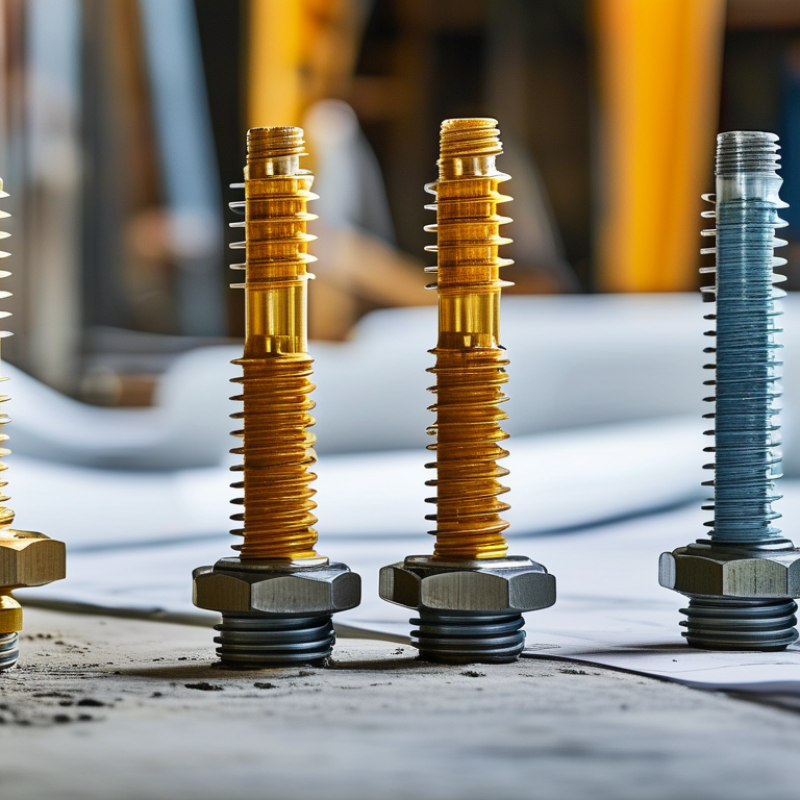
Thread rods are essential fasteners in construction. They are long, cylindrical rods with external threads running along their length. Their design allows for easy connection and support in various applications, making them an industry favorite. According to data from the American Institute of Steel Construction, over 60% of industrial facilities rely on these versatile rods for structural integrity.
The key characteristics of thread rods include their high tensile strength and corrosion resistance. Typically made from steel, they can handle heavy loads. For example, a standard 1-inch-diameter thread rod can support loads exceeding 40,000 pounds. This strength makes them ideal for anchoring, bracing, and reinforcing structures. Some research indicates that thread rods contribute to reducing construction time by as much as 20% due to their ease of installation.
Despite their advantages, challenges do exist. Improper installation can lead to failures. Additionally, choosing the correct material grade is crucial for specific environments. Mistakes can impact the safety and longevity of structures. Therefore, understanding thread rods is vital for engineers and project managers. Proper training and adherence to standards are necessary to maximize their potential benefits.
What is Thread Rod and How is it Used in Construction? - What is Thread Rod? Definition and Key Characteristics
| Characteristic | Description |
| Definition | A thread rod is a long rod, typically made of metal, with continuous threading along its length, used in various construction and industrial applications. |
| Material | Common materials include steel, stainless steel, and sometimes aluminum, depending on the required strength and resistance to corrosion. |
| Common Sizes | Available in various diameters ranging from 1/4 inch to 1 inch and lengths typically from 1 foot to several feet long. |
| Applications | Used in construction for securing structural elements, in machinery for fastening components, and in bridge constructions for tensioning cables. |
| Advantages | Provides high tensile strength, versatile in application, and can be easily cut to size based on specific project needs. |
| Installation Method | Typically installed using nuts and washers to secure the rod in place; can be adjusted for tension as needed. |
Types of Thread Rod: Materials and Specifications in Construction
Thread rods are important components in construction. They provide structural stability and support for various applications. Understanding the types of thread rods is essential for choosing the right material for a project.
There are several common materials used for thread rods. Steel is the most popular choice due to its strength and durability. Stainless steel offers corrosion resistance, making it ideal for outdoor use. Aluminum thread rods are lightweight, yet they may not provide the same strength as steel. Each material has specific specifications, such as length, diameter, and thread pitch.
When selecting thread rods, think about their application. Consider factors like load requirements and environmental conditions. Mistakes in selection can lead to structural integrity issues. Always double-check specifications to ensure safety and compliance with local building codes. Taking these steps can help avoid costly miscalculations.
Applications of Thread Rod in Structural and Mechanical Engineering
Thread rods play a critical role in construction, valued for their strength and versatility. These elongated metal rods are threaded along their entire length and are commonly used in both structural and mechanical engineering applications. One main application is in bolted connections, where they provide strong fastening capabilities. They support beams, columns, and other structural elements, ensuring stability.
In mechanical engineering, thread rods are often found in machinery assembly, securing parts together efficiently. They can be used as tensioning devices in various applications, creating a secure connection that can still be adjusted as needed. This adaptability is especially useful in settings where adjustments are frequently necessary.
Tip: Always choose the correct thread type for your specific application. Mismatched threads can lead to structural failures. Keep in mind that thread rods can be prone to corrosion over time. Regular inspections are essential to ensure longevity and safety.
Another consideration is the load-bearing capacity. Not all thread rods are designed for heavy loads. Ensure you're using a rod suited for your specific structural requirements. Balancing strength with function is crucial in any construction project.
Industry Standards: Thread Rod Load Capacities and Tolerances
Thread rods are essential fasteners in construction. Understanding their load capacities and tolerances is crucial for safety and performance. Different threads and materials give each rod unique properties. Factors like the rod’s diameter and length directly influence how much weight it can support. For instance, a thicker rod can generally bear a heavier load.
Industry standards outline specific load capacities for thread rods. This ensures they perform reliably under stress. However, exact tolerances can vary. This variation can affect installation and application in projects. Always check the specifications that are relevant to your project. Selecting the right rod prevents unexpected failures.
Tip: Always consult engineering guidelines for load calculations. This step can prevent potential hazards. Another important point is to inspect the rods before use. Small defects can lead to significant issues later. Be mindful of the installation environment; exposure to extreme conditions may affect performance over time.
Best Practices for Installation and Maintenance of Thread Rods in Projects
Thread rods are essential components in construction, known for their strength and versatility. Proper installation and maintenance practices are crucial for ensuring their effectiveness and longevity in various projects. Research indicates that improper installation can lead to a 30% increase in structural failures. This statistic underscores the importance of adhering to best practices throughout the installation process.
When installing thread rods, begin by selecting the correct materials that match the project’s load-bearing requirements. Ensure that the rods are properly anchored to prevent movement and misalignment. Utilizing high-quality nuts and washers can enhance stability. A 2023 industry report suggests that routine inspections should occur every six months to identify signs of corrosion or wear. Neglecting regular maintenance may result in costly repairs and unexpected downtimes.
Thread rods should be installed at appropriate torque levels. Over-tightening can cause material fatigue, while under-tightening may compromise structural integrity. It’s essential to use calibrated tools to achieve the recommended torque specifications, as this directly affects the rods’ performance. Attention to detail during both installation and maintenance significantly contributes to the safety of any construction project.