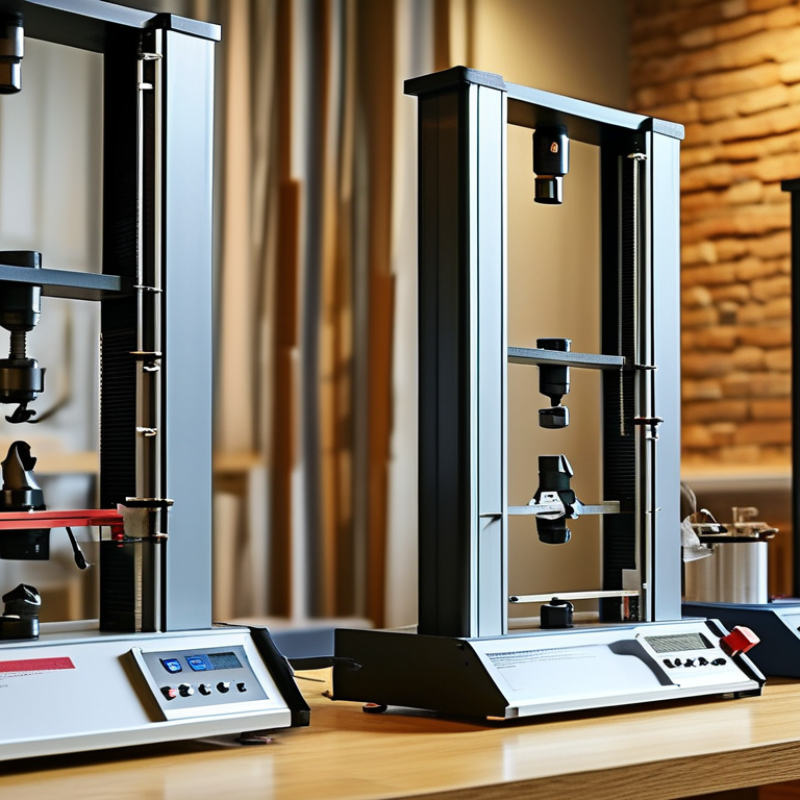
What is a Tensile Testing Machine and How Does It Work?
Tensile testing is crucial in material science. A Tensile Testing Machine measures the strength of materials under tension. According to a recent report by MarketsandMarkets, the tensile testing equipment market is projected to reach USD 1.2 billion by 2025.
Dr. Emily Carter, a leading expert in material testing, stated, "Understanding how materials behave under stress is vital for innovation." Her insight underlines the importance of tensile testing in various industries, from construction to electronics.
These machines enable precise analysis. They help ensure the safety and performance of material-based products. However, the testing process is not without challenges. Calibration issues and sample preparation can introduce inconsistencies. Addressing these flaws is essential for reliable results. Thus, understanding how a Tensile Testing Machine works is more important than ever.
What is a Tensile Testing Machine?
A tensile testing machine is essential in material science. It evaluates the mechanical properties of materials under tension. This machine helps identify how materials react to applied forces. By assessing tensile strength, elongation, and yield point, engineers can ensure that materials meet safety and performance standards.
The machine operates by applying a controlled force to a test specimen until it deforms or fractures. This process involves gripping the sample at both ends. As the force increases, the machine measures elongation and load. Data from these tests inform designers about material suitability in various applications. However, inconsistencies in samples can lead to misleading results. Understanding how to prepare test specimens properly is crucial for accuracy.
Moreover, the tensile testing machine is instrumental in research and development. It helps discover new materials and optimize existing ones. Still, it’s not immune to errors. Human oversight in calibration or sample handling can affect outcomes. Continuous learning is vital for improving testing protocols.
Tensile Strength Comparison of Different Materials
This bar chart illustrates the tensile strength of various materials commonly tested using a tensile testing machine. The values represent the ultimate tensile strength in megapascals (MPa).
The Working Principle of Tensile Testing Machines
Tensile testing machines measure the mechanical properties of materials. They assess how a material reacts to forces that stretch it. Typically, a sample is placed in the machine, and force is applied steadily until the material breaks. This process helps determine various properties, including tensile strength, elongation, and yield strength.
During the test, sensors monitor the applied force and the deformation of the sample. Data is collected and analyzed for insights. According to a 2021 report by ASTM International, the tensile testing market is projected to grow by 5.8% annually. This indicates an increasing reliance on precise testing methods across industries, including construction and aerospace.
Moreover, it is crucial to recognize that various factors can influence test outcomes. Sample preparation, environmental conditions, and strain rate can affect results significantly. Inconsistent testing environments might lead to unreliable data. Careful calibration of machines and adherence to testing standards are essential for accurate measurements. The need for precision emphasizes the importance of expertise in conducting tensile tests and interpreting results appropriately.
What is a Tensile Testing Machine and How Does It Work?
| Parameter | Description |
| Maximum Load Capacity | 500 kN |
| Testing Speed | 1 to 100 mm/min |
| Load Cell Accuracy | ±0.5% |
| Displacement Measurement | 0.01 mm |
| Control System | Computer Control with Graphical Interface |
| Test Specimen Size | Standard Sizes (e.g. 25 mm x 200 mm) |
| Compliance with Standards | ASTM E8, ISO 6892 |
Key Components of a Tensile Testing Machine
A tensile testing machine plays a crucial role in material testing. Its key components contribute significantly to its effectiveness. The main parts include the frame, load cell, extensometer, and crosshead. The frame provides stability, while the load cell measures the force applied to the material. An extensometer captures the change in length during testing, giving precise readings. The crosshead moves the specimen, controlling the rate of tension applied.
When selecting a tensile testing machine, consider the machine's capacity. The capacity must match the materials you test. This prevents damage and ensures accurate results. Also, ensure the extensometer is suitable for the gauge length of your samples. A mismatched extensometer can lead to false readings.
Regular calibration checks are vital for accurate testing. A neglected machine can provide inconsistent results. Schedule routine maintenance for all components. This keeps the machine in peak condition. Errors can arise if tests are not conducted correctly or if machines are poorly maintained. Continuously review your procedures and update training for operators to mitigate risk.
Common Applications of Tensile Testing in Various Industries
Tensile testing plays a crucial role in various industries. It helps determine the mechanical properties of materials. Manufacturers rely on these tests for quality assurance. For example, the construction sector uses tensile testing to evaluate steel cables and beams. Reliable data from these tests ensures safety in buildings and bridges.
In the automotive industry, tensile testing is essential for components like body panels and fasteners. Engineers analyze how these materials behave under stress. This analysis provides insights into durability and performance. Aerospace manufacturers also apply tensile testing to parts exposed to extreme conditions. The reliability of components directly affects flight safety.
Tensile testing can reveal inherent flaws in materials. These flaws may not be visible during visual inspections. As a result, some companies may overlook testing due to costs or time constraints. However, investing in tensile tests can avoid severe failures later. The significance of this testing cannot be understated, especially when safety is at stake.
Understanding Tensile Strength: Standards and Measurements
Tensile strength is crucial in material testing. It measures a material’s ability to resist forces that attempt to pull it apart. The ASTM E8 standard is widely recognized, defining how tensile tests should be conducted. The standard outlines sample dimensions and testing procedures, ensuring consistency across different tests.
According to industry reports, materials like steel and aluminum typically exhibit high tensile strengths, around 250 MPa and 300 MPa, respectively. These values highlight why these materials are often chosen for structural applications. However, a material's tensile strength can vary based on several factors, including composition, temperature, and processing methods.
Despite extensive testing, complexities can arise. For example, not all materials behave linearly under tensile stress. Some may exhibit plastic deformation, complicating strength measurements. Understanding these nuances is essential for engineers. Consistent testing methods are vital to ensure reliability. However, discrepancies can occur, leading to varying results among labs. Hence, refining testing techniques and standardizing protocols remains an ongoing challenge.