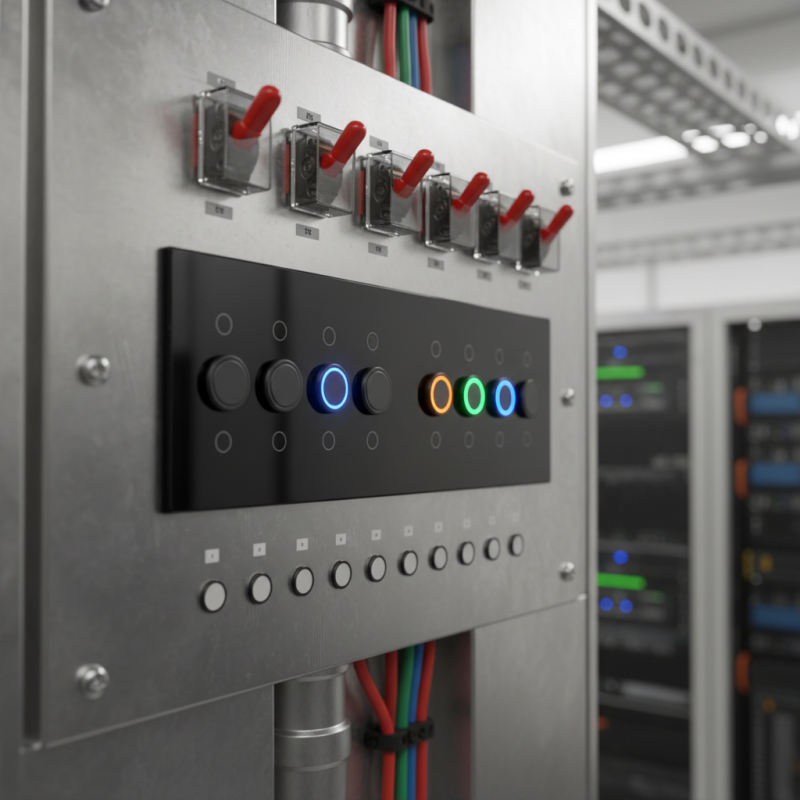
What is a Switch Panel and How Does It Work?
A Switch Panel is a critical component in many electrical systems. It serves as a control interface, managing multiple electrical circuits from a single location. Understanding its function and design is essential for both professionals and enthusiasts.
These panels can vary in complexity and design. They often have different types of switches, indicators, and sometimes, advanced technology features. This diversity may lead to confusion for those unfamiliar with them. The effectiveness of a Switch Panel heavily relies on proper installation and user knowledge. Misunderstandings can cause safety risks or malfunctioning systems.
In the evolving landscape of technology, the importance of understanding a Switch Panel cannot be overstated. Whether in cars, homes, or industrial machines, they play a crucial role. Therefore, learning about their workings is necessary for safe and efficient operation.
What is a Switch Panel?
A switch panel is a crucial component in various electrical systems. It serves as a centralized control unit for multiple switches. These switches manage different electrical circuits, making it easier to operate numerous devices from one location. Switch panels are often found in homes, offices, and industrial settings.
Understanding how a switch panel works is essential. Each switch controls a specific circuit. When you flip a switch, it opens or closes the circuit, allowing electricity to flow. This facilitates the operation of lights, fans, and other electrical appliances. While it seems straightforward, the design and wiring of a switch panel can complicate things. Proper installation is key to ensure safety and functionality. Many homeowners overlook the complexity of their switch panels, which can lead to issues down the line.
The layout of a switch panel can vary significantly. Sometimes, it might appear cluttered or confusing. Users may struggle to remember which switch controls what. It’s vital to label each switch clearly. Doing so can prevent accidents and ensure smooth operation. Reflecting on these details can help users appreciate the role of a switch panel in simplifying electrical management. Understanding this component empowers individuals to better handle their electrical systems.
Components of a Switch Panel
A switch panel is a crucial component in many electrical systems. It houses switches that control various devices or appliances. Understanding the components of a switch panel is key to maximizing its functionality and safety.
At its core, a switch panel consists of several key elements. The switches themselves are typically toggle or rocker types. These allow users to turn devices on and off easily. The panel also includes wiring that connects to power sources and devices. This wiring should be of the appropriate gauge to ensure safety.
Additionally, a fuse or circuit breaker is often located in the panel. These safeguards protect against overload and short circuits. Without them, the risk of electrical fires increases significantly. There’s also a mounting frame that keeps everything securely in place. The layout of components must be clear and logical to prevent confusion during operation. Mistakes can happen if users are unfamiliar with the panel's design. Understanding these components empowers users to manage their electrical systems more effectively.
Components of a Switch Panel and Their Usage
Types of Switch Panels and Their Applications
Switch panels play an essential role across various industries. They facilitate the control of electrical devices efficiently and safely. There are numerous types of switch panels, each suited for different applications. For instance, control switch panels are widely used in industrial settings to manage machinery. These panels can handle heavy power loads, making them crucial for operations.
One notable type is the modular switch panel, favored for its flexibility. It caters to changing needs in both residential and commercial designs. According to a report from the International Electrotechnical Commission, the market for switch panels is projected to grow at a CAGR of 7% over the next five years. This growth signifies increasing reliance on advanced electrical systems. Yet, the integration of new technologies can lead to implementation challenges.
Another example is the lighting control panel, prevalent in smart home systems. They not only enhance energy efficiency but also improve user convenience. However, according to the National Electrical Manufacturers Association, confusion regarding user interfaces is common. Users often struggle with multiple settings. Balancing simplicity and functionality remains a goal for manufacturers. The variation among panels leads to potential user error, which must be addressed for better outcomes in real-world applications.
How Switch Panels Function in Electrical Systems
Switch panels are integral components in electrical systems, acting as control centers to manage various operations. They enable users to control multiple electrical circuits from a single location. Through a switch panel, one can turn lights on and off, control machinery, or manage power distribution effectively. The design of these panels often reflects the complexity of the systems they control.
Within electrical systems, switch panels work by providing a path for current to flow. When a switch is activated, it completes or disrupts the circuit. This action can power devices or shut them down. It’s crucial that these panels are constructed with high-quality materials to ensure safety and reliability. Regular maintenance is essential to prevent malfunctions or hazards.
Tips: Always keep your switch panel clean and dry. It aids in preventing accidents. Consider labeling circuits for easy identification. This small step can save time during emergencies. Don’t underestimate the importance of professional installation. A poorly installed switch panel can lead to serious issues. Regularly inspect your panel for any signs of wear.
Benefits of Using Switch Panels in Various Settings
Switch panels are essential in various settings, from homes to commercial spaces. They streamline control of electrical systems, making them user-friendly. By grouping numerous switches in one place, users can manage lights, fans, and appliances efficiently. This layout reduces confusion and enhances ease of access.
In residential settings, switch panels can improve energy management. Homeowners can control multiple lights in a room with one switch. This convenience not only saves time but also encourages energy-saving habits. In workplaces, they simplify complex lighting systems. Employees can quickly adjust settings, boosting productivity and comfort.
The versatility of switch panels is notable. They can be customized to meet the unique needs of any environment. However, improper installation may cause safety hazards. It’s crucial to follow guidelines and seek professional help when needed. Mistakes can lead to issues down the road, impacting functionality. Balancing convenience and safety is vital for optimal performance.