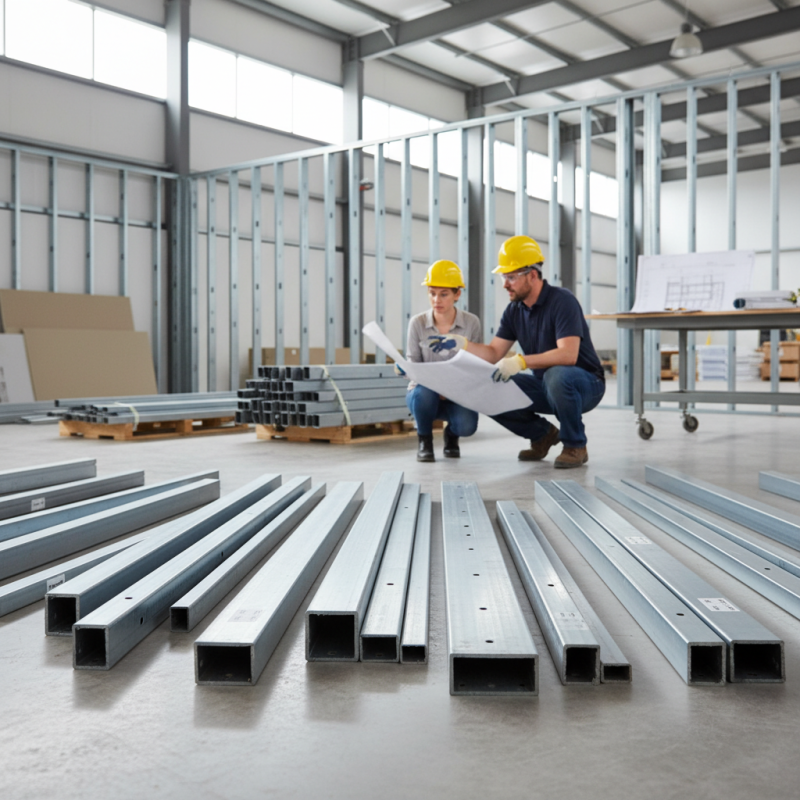
What is Steel Stud and How to Choose the Right One?
When it comes to construction, the choice of materials is crucial. One popular option is the Steel Stud. These metal framing components have gained traction for their durability and versatility. Steel Studs are lightweight yet strong, making them ideal for various structures, from residential to commercial buildings.
Choosing the right Steel Stud can be daunting. There are several factors to consider, such as gauge, size, and application. Understanding these details ensures effective use. Each project may require a unique specification, which can be perplexing for beginners. This complexity highlights the need for informed decisions.
While Steel Studs offer many advantages, they are not without limitations. Builders must reflect on the specific requirements of their projects. A thorough evaluation is essential to avoid common pitfalls. Familiarity with the material enhances reliability and performance, leading to successful outcomes.
What is a Steel Stud?
Steel studs are integral components in modern construction. They provide a strong and durable framework for various structures. Typically made from galvanized steel, these studs offer excellent resistance to warping, cracking, and pests. Unlike traditional wooden studs, steel studs do not absorb moisture. This property makes them ideal for areas prone to dampness, such as basements.
When selecting steel studs, consider factors like gauge, length, and width. The gauge indicates the thickness of the steel. For most interior applications, 25-gauge steel is sufficient. However, for heavier loads, consider using thicker options. Length and width will vary based on your specific project requirements. Pay attention to the spacing between studs as well, which typically ranges from 16 to 24 inches apart.
Choosing the right steel stud also involves understanding their limitations. While they are strong, they can be less forgiving than wood when adjustments are needed. The installation process requires special tools and knowledge. If improperly installed, the framework may not meet structural standards. Take the time to plan and detail your project, ensuring a successful outcome.
Types of Steel Studs and Their Applications
Steel studs are essential in modern construction, offering durability and strength. There are various types of steel studs, each suited for specific applications. The most common types are steel framing studs and furring channels. Steel framing studs are ideal for walls and partitions. They provide structural support in both residential and commercial settings.
Furring channels are typically used to create a base for drywall. They ensure a flat surface and provide insulation options. Some builders prefer track studs for their simplicity in installation. Track studs hold framing members securely in place. In addition to these, think about specialty studs, like resilient channels. They reduce sound transmission in walls, benefitting privacy in multi-family homes.
Choosing the right type can be challenging. Consider the environment and load requirements. You may encounter issues with rust if used in humid areas. Some outdated designs may not meet current building codes. It's essential to stay informed on regulations. Always verify if the chosen studs align with your project specifications. A minor oversight can lead to significant delays. Building with steel studs demands accuracy and expertise.
Key Factors to Consider When Choosing Steel Studs
When selecting steel studs for construction, several key factors come into play. The gauge of the steel is crucial; most steel studs are available in 20, 25, or 30 gauge. A lower gauge indicates thicker steel, affording greater strength. According to data from the Steel Stud Manufacturers Association, using 25-gauge studs can lead to enhanced durability in high-rise buildings. However, it’s essential to assess the specific load requirements of your project.
Additionally, the shape and size of steel studs significantly impact performance. Standard stud widths are typically 3 5/8 inches or 6 inches, but custom sizes may be necessary for particular applications. Designers must consider the overall framing system. Misestimating dimensions can lead to structural challenges down the line. Some reports suggest that incorrect sizing can result in up to 20% waste during installation.
Connections also warrant attention. Proper fastening techniques influence the integrity of the assembly. Inconsistent fastening can compromise the frame’s stability. Technical data highlights that a well-connected stud system can reduce sound transmission and enhance fire resistance, essential in modern construction. Reflecting on these factors helps ensure accurate and resilient installations.
What is Steel Stud and How to Choose the Right One? - Key Factors to Consider When Choosing Steel Studs
| Dimension (inches) | Weight (lbs) | Thickness (ga) | Usage | Price per Unit ($) |
| 3 5/8 x 10 | 0.75 | 20 | Interior Walls | 2.50 |
| 2 1/2 x 12 | 0.65 | 25 | Partition Walls | 2.00 |
| 6 x 10 | 1.20 | 20 | Commercial Projects | 3.00 |
| 4 x 12 | 1.00 | 22 | Residential | 2.80 |
| 3 5/8 x 12 | 0.85 | 20 | Exterior Walls | 2.60 |
Comparative Advantages of Steel Studs Over Wood Studs
Steel studs offer significant advantages over traditional wood studs in construction. One major benefit is their resistance to moisture and pests. According to the American Iron and Steel Institute, steel is impervious to water damage and prevents mold growth. This property makes steel studs ideal for areas prone to humidity, such as basements or bathrooms. Additionally, steel framing is less likely to warp or shrink, ensuring a more stable structure over time.
Another key advantage lies in the strength-to-weight ratio of steel. Steel studs are lighter than wood, yet they provide greater structural strength. A study from the Steel Framing Alliance indicates that steel can support higher loads, making it an excellent choice for multi-story buildings. This can reduce the amount of material needed and lower overall construction costs. However, some may argue that the initial investment in steel is higher than wood.
Fire resistance is also noteworthy. Steel studs do not burn like wood, adding a layer of safety to any structure. The National Fire Protection Association highlights that steel framing can enhance fire protection in commercial buildings. While the transition to using steel studs may require changes in mindset and techniques, the long-term benefits are compelling. Balancing initial costs with these advantages is crucial for informed decision-making.
Best Practices for Installation and Use of Steel Studs
Steel studs are increasingly popular in construction, providing strength and durability. For successful installation, understanding best practices is crucial. According to a report from the Steel Framing Industry Association, properly installed steel studs can reduce labor costs by 20%. This efficiency translates to significant savings on projects.
Accurate measurements are vital. Before cutting steel studs, measure twice. Miscalculations can lead to wastage and inefficiency. Pay attention to the manufacturer's specifications for stud spacing. Typically, 16-inch or 24-inch centers are standard. This detail affects the structural integrity of walls and can impact everything from drywall installation to load-bearing capabilities.
Tip: Use a high-quality metal cutting saw. A good blade ensures clean cuts, reducing the risk of jagged edges that can complicate installation. When installing, ensure studs are plumb and square. Inadequate alignment leads to future structural issues. Additionally, consider environmental factors. Steel may expand or contract with temperature changes. Fasteners must be compatible with the steel gauge used to avoid corrosion over time. Tip: Regularly inspect installations. Look for signs of misalignment or corrosion. Early detection can prevent costly repairs.
Incorporating these practices helps maximize the advantages of steel studs while minimizing potential challenges. The construction industry benefits from continuous learning and adaptation to new techniques. Stay informed to ensure quality results.