Why Steel Bar is Essential for Global Construction Projects?
Steel Bar plays a crucial role in modern construction. It provides strength and durability to structures worldwide. Without Steel Bar, the integrity of buildings, bridges, and tunnels would be compromised.
In large-scale projects, the demand for Steel Bar continues to rise. Engineers and architects rely on its unique properties. It withstands heavy loads and harsh weather conditions. This versatility makes Steel Bar a preferred choice among construction professionals. However, sourcing quality Steel Bar can be challenging. There are various suppliers, but not all meet industry standards.
Construction projects must consider the potential pitfalls of using subpar materials. Investing in high-quality Steel Bar is essential for safety and longevity. As the industry evolves, designers push the limits of what is possible with Steel Bar. They constantly seek innovative solutions while addressing sustainability. The future of construction hinges on the effective use of this material. As we investigate further, the significance of Steel Bar in global construction becomes clear.
The Role of Steel Bar in Structural Integrity of Buildings
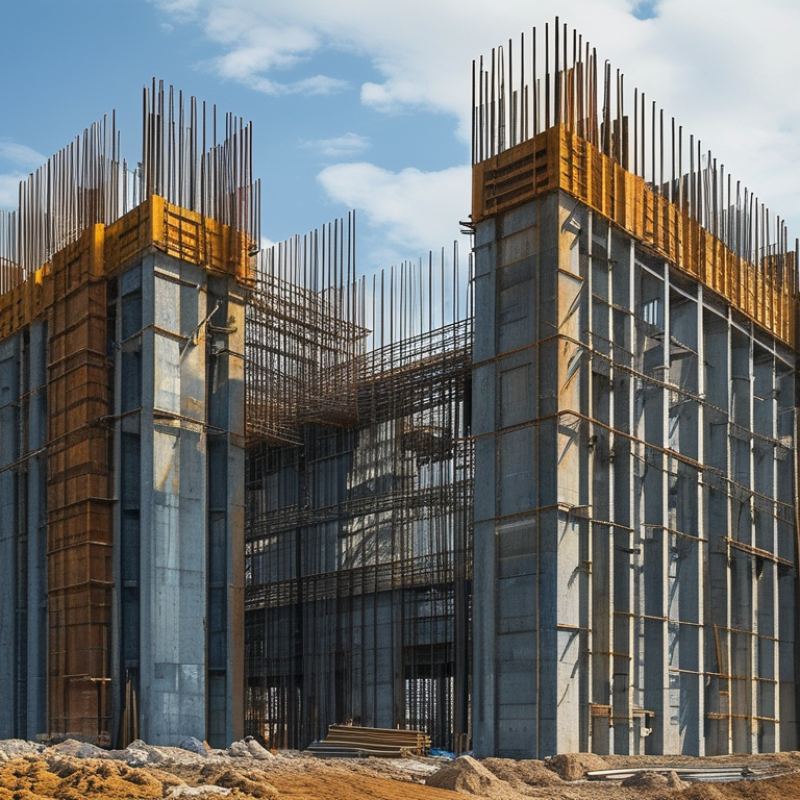
Steel bars, commonly known as rebar, play a crucial role in maintaining the structural integrity of buildings. They provide tensile strength, which allows structures to withstand various forces, such as wind and earthquakes. Without rebar, concrete, while strong in compression, would be weak and prone to cracking. The combination of steel and concrete creates a composite material that enhances the durability of a building.
Installation of rebar requires precision and expertise. Engineers carefully calculate the amount and placement needed for each project. Poor placement can lead to structural failures. This reality emphasizes the importance of skilled labor in construction. Each bar's role is significant and should not be underestimated. Every joint and intersection must be meticulously designed to ensure safety.
However, the use of steel bars is not without challenges. Steel can corrode when exposed to moisture, leading to weakening over time. This potential issue highlights the need for ongoing maintenance and monitoring. While steel bars are essential, their limitations warrant careful planning and proactive measures. A successful construction project depends on understanding these factors and implementing effective solutions.
Why Steel Bar is Essential for Global Construction Projects?
| Project Type | Steel Bar Usage (%) | Structural Integrity Impact | Expected Lifespan (Years) |
| Residential Buildings | 75% | High | 50 |
| Commercial Structures | 80% | Very High | 60 |
| Bridges | 90% | Critical | 75 |
| Industrial Facilities | 85% | High | 50 |
| Infrastructure Projects | 95% | Extremely Critical | 100 |
Benefits of Using Steel Bar in Construction Projects
Steel bars, also known as rebar, play a vital role in construction projects worldwide. They provide strength and stability to concrete structures. Without rebar, concrete lacks the tensile strength needed to withstand forces. This combination of materials ensures that buildings, bridges, and roads can endure daily stress.
The benefits of using steel bars in construction are numerous. They enhance the durability of structures, making them resilient to environmental factors like weather and earthquakes. Steel’s malleability allows for easy bending and shaping during construction. This adaptability leads to more design options. Moreover, using recycled steel contributes to sustainability, reducing waste in the industry.
Not all projects use steel bars effectively. Some builders overlook proper placement, leading to weak spots. Incorrect calculations can also compromise structural integrity. These oversights highlight the importance of skilled professionals. Their expertise promotes safe and reliable construction practices, ensuring structures remain safe for years to come.
Environmental Impact of Steel Bar Production and Usage
Steel bar production has significant environmental implications. According to the World Steel Association, the production of steel accounts for approximately 7% of global CO2 emissions. This stark figure highlights the industry’s considerable contribution to climate change. The production process is energy-intensive, consuming vast amounts of fossil fuels. Transitioning to renewable energy sources could mitigate these harmful emissions.
Steel bars are crucial in construction, supporting infrastructure and buildings. However, the raw materials used often entail mining and extraction processes detrimental to ecosystems. The environmental degradation from iron ore extraction can lead to habitat loss and low biodiversity. Efforts to improve recycling rates in the steel industry are vital. Currently, about 90% of steel can be recycled without losing quality. Recycling mitigates the need for virgin materials, significantly reducing overall environmental impact.
The industry is under pressure to adopt greener practices. Innovations in production methods, such as using electric arc furnaces, show promise. These methods could cut emissions by more than 50%. Yet, progress is uneven across the globe. Policymakers and industry leaders must work together to improve sustainability while meeting the increasing global demand for steel. Balancing growth and environmental responsibility remains a critical challenge.
Comparative Analysis: Steel Bar vs. Alternative Materials in Construction
In construction, steel bars are critical components. They provide strength and durability, which are essential for structural integrity. However, alternative materials like fiberglass and bamboo are sometimes considered. These materials offer unique benefits, but they also present significant challenges.
Fiberglass is lightweight and resistant to corrosion. It can work well in specific environments, but it lacks the tensile strength of steel. This makes it less reliable in high-stress applications. Bamboo, while renewable and eco-friendly, has limitations in various climates. Its variability can weaken structures over time. These alternatives require careful consideration.
When evaluating materials, it's clear that steel bars hold strong advantages. They provide consistency and predictability in performance. Yet, the cost and environmental impact of steel production should not be ignored. Balancing these factors is essential for future construction projects. As technology evolves, new solutions may emerge, prompting ongoing reflection in material selection.
Future Trends in Steel Bar Innovations for Global Construction
The future of steel bar innovations lies in sustainability and efficiency. As the construction industry evolves, there is a growing demand for eco-friendly materials. Steel bars, traditionally known for their strength, are now also being enhanced for reduced environmental impact. New production methods focus on minimizing carbon emissions. Incorporating recycled materials is another trend. This not only conserves resources but also lowers costs.
Innovations are also leaning towards increased durability and performance. Advanced coatings are being developed to improve resistance to corrosion. This can lead to longer-lasting structures. Smart technology is surfacing, with steel bars embedded with sensors. These sensors can relay data on structural integrity, alerting engineers to potential issues.
Tip: When selecting steel bars for projects, consider their sustainability ratings. This can enhance the project’s appeal.
Future trends also indicate customization. Tailoring steel bars to specific project needs can optimize performance. This adaptability makes them essential in unique construction scenarios.
Tip: Collaborate with engineers early in the design phase. Input on steel specifications can save time and reduce costs.
Steel bar innovations are not perfect yet. The industry still grapples with balancing costs and environmental goals. This ongoing journey requires reflection and improvements at every step.
Why Steel Bar is Essential for Global Construction Projects?





