What is Stainless Tube Mills and How They Benefit Your Business?
Stainless Tube Mills are essential in modern manufacturing. They produce tubes vital for various industries, including automotive and construction. According to recent industry reports, the global stainless steel tube market is projected to grow at a CAGR of 6.1% from 2021 to 2028. This growth reflects increased demand for durable and corrosion-resistant materials.
Investing in Stainless Tube Mills can significantly enhance production efficiency. These mills ensure high precision in tube fabrication, minimizing waste. Many companies report reduced operational costs due to streamlined processes. However, some manufacturers struggle with outdated equipment, lacking the competitive edge in quality and speed.
The benefits of using Stainless Tube Mills extend beyond production. They contribute to sustainability efforts by allowing for recyclability. Businesses that prioritize innovation and efficiency tend to outperform their competitors. Yet, it's crucial to remain aware of market fluctuations and technological advancements. Adapting to these changes can be a challenge for many companies.
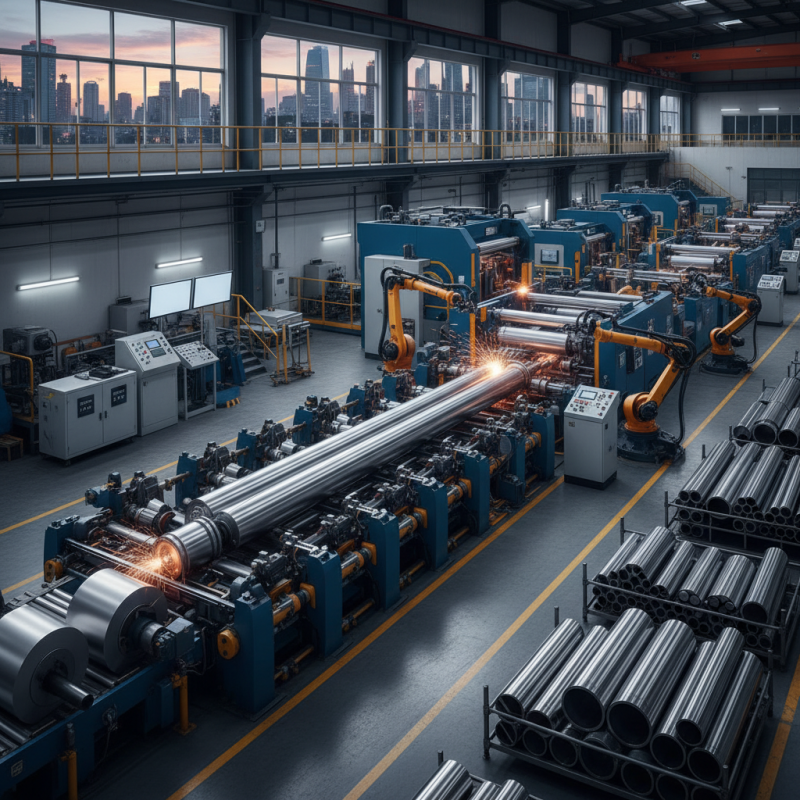
What is a Stainless Tube Mill and Its Operational Mechanism
A stainless tube mill is specialized equipment used for producing stainless steel tubes. It consists of several key components, including a forming station, welding system, and finishing area. The operational mechanism of a stainless tube mill begins with rolling stainless steel coils into flat strips. These strips are then shaped into a tube form. The edges of the strip are joined using high-frequency welding techniques. This process creates a strong and seamless tube that is typical of high-quality stainless steel products.
The efficiency of a stainless tube mill is noteworthy. It allows for high-volume production with minimal waste. This aspect can significantly benefit companies aiming for cost efficiency. However, not all stainless tube mills deliver equal quality. Inconsistent settings or improper maintenance can lead to defects in the product. Businesses may find themselves dealing with unsatisfactory materials if they neglect these factors.
Operators of stainless tube mills must possess a keen understanding of machinery and materials. This expertise ensures the tubes meet specific industry standards. Regular inspections and adjustments are essential for optimal performance. Without this diligence, even the most advanced mills can struggle to produce reliable products. This highlights the importance of skilled personnel in maintaining standards in production.
Key Processes Involved in Stainless Tube Production
Stainless tube production involves several key processes that enhance quality and efficiency. The first crucial step is the selection of raw materials. High-quality stainless steel is essential to ensure the durability and corrosion resistance of the final product. Manufacturers often rely on expert suppliers who provide steel that meets specific industry standards.
Next is the tube forming process. This can involve methods like welding or extrusion. Each method has its unique benefits and challenges. Welding, for instance, requires precise control to avoid weak points in the seams. Extrusion, on the other hand, allows for continuous shapes but may necessitate additional finishing processes.
The finishing stage includes cutting, polishing, and inspection. These steps are vital. They ensure that every tube meets required specifications and passes rigorous quality checks. Despite advancements, achieving perfection is a journey. There are always areas to refine. Manufacturers are continuously analyzing processes for potential improvements. Each defect uncovered can lead to better production techniques and overall product quality.
What is Stainless Tube Mills and How They Benefit Your Business? - Key Processes Involved in Stainless Tube Production
| Process | Description | Benefits |
| Steel Preparation | The selection and conditioning of raw materials for tube production. | Ensures high-quality starting materials, leading to better end products. |
| Forming | The process of shaping flat steel into a tubular form. | Produces uniform tubes with accurate dimensions. |
| Welding | Joining edges of formed steel into a single tube using heat. | Ensures strong and reliable tubes suitable for various applications. |
| Heat Treatment | Process applied to improve the mechanical properties of the tube. | Enhances strength, durability, and resistance to corrosion. |
| Finishing | Surface treatment processes like polishing and cleaning. | Improves aesthetic appeal and surface integrity for various applications. |
Market Demand: Trends in Stainless Steel Tube Usage
Stainless steel tubes are in high demand across various industries today. Their durability, corrosion resistance, and aesthetic appeal make them ideal for numerous applications. From construction to automotive, the use of stainless steel tubes is growing. As industries evolve, this trend is likely to continue, reflecting a need for advanced materials.
Many companies are choosing stainless tubes for their benefits. They support effective manufacturing processes and can enhance the quality of end products. Industries appreciate that these tubes require less maintenance due to their resistance to rust and wear. This leads to lower operational costs and improved efficiency.
Tip: Consider using stainless tubes to boost your product durability. Evaluate your current materials to identify potential improvements.
However, the increasing demand also brings challenges. As the market expands, finding reliable suppliers can be tough. The quality of stainless steel tubes varies widely, impacting overall project success. Relying on established manufacturers is essential for consistency.
Tip: Always verify supplier credentials. Quality assurance tests can save future headaches.
Importantly, staying informed about industry trends helps businesses adapt. Understanding the evolving landscape of stainless steel usage enables smarter purchasing decisions. Networking with industry professionals can offer insights into the latest technologies and techniques.
Cost Efficiency and Durability: Advantages of Stainless Tubes
Stainless tube mills produce high-quality stainless steel tubes that are both cost-efficient and durable. These tubes are essential for various applications, including construction, automotive, and manufacturing. One significant advantage of stainless tubes is their resistance to corrosion, ensuring long-lasting performance in demanding environments.
The durability of stainless tubes often translates to lower maintenance costs. Businesses save money over time, as they do not need to replace or repair tubes frequently. This reliability allows companies to focus resources on other critical operations.
Tips: Regularly assess your stainless tube suppliers to ensure quality standards. Consider the specific needs of your project. A tailored approach can lead to better long-term results. Additionally, explore bulk purchase options for further savings. Quality comes at a price, but it pays off in the end. Choose wisely to maximize valuable resources.
Applications and Industries Benefiting from Stainless Tube Mills
Stainless tube mills produce a variety of stainless steel tubes crucial in many industries. They provide durable and corrosion-resistant products. The manufacturing process involves weld preparation, forming, and finishing, which enhances the quality and performance of the tubes.
Industries such as aerospace, oil and gas, and automotive rely on stainless tubes. In aerospace, they ensure lightweight components that withstand extreme conditions. The oil and gas sector uses them for robust pipelines, essential in transporting fluids safely. Automotive applications include exhaust systems and structural components. The use of stainless tubes improves safety and efficiency, but the demand for innovation sometimes outweighs production capabilities.
Some businesses struggle with sourcing materials and maintaining quality standards. The variability in steel grades can impact performance. Additionally, adapting to rapid market changes challenges many manufacturers. Investing in training and technology can help address these issues. Stainless tube mills are vital, yet they require constant improvement to meet evolving needs.
Applications and Industries Benefiting from Stainless Tube Mills





