Top 10 Spring Hose Clamps to Boost Your Procurement Efficiently?
When selecting the right tools for your projects, the Spring Hose Clamp often takes center stage. These clamps are essential for ensuring secure connections in various applications. They offer flexibility and strength, making them ideal for both DIY enthusiasts and professionals. However, not all clamps are created equal.
In today’s market, choosing the right Spring Hose Clamp can be overwhelming. The range of options available can lead to confusion. It’s important to understand the specifics of each type. Looking at features such as material, size, and tension is critical. This knowledge can significantly boost your procurement process.
To help you navigate this landscape, we’ve compiled a list of the top ten Spring Hose Clamps. Each of these options has been carefully evaluated based on reliability and performance. We aim to provide you with insights that are not just informative, but practical. With this guide, you will be equipped to make better choices for your requirements. Remember, the right clamp can make all the difference in ensuring a successful project.
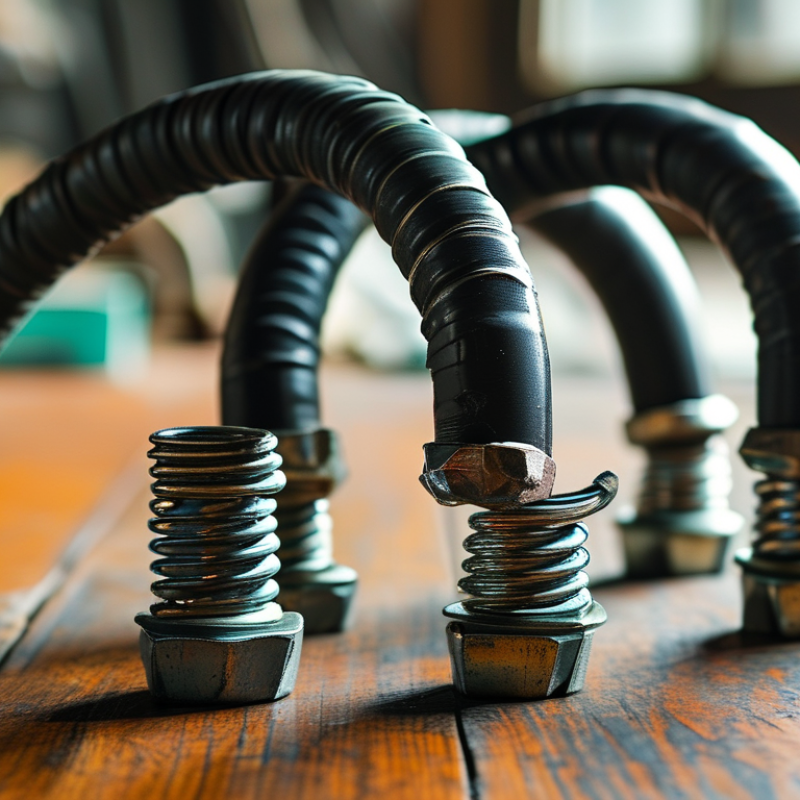
Top Features to Look for in Spring Hose Clamps
When selecting spring hose clamps, consider the materials used in their construction. Stainless steel is an excellent choice due to its corrosion resistance. A report by the American Society for Testing and Materials (ASTM) states that stainless steel offers durability and strength, which is crucial in high-pressure environments. With the right material, users can avoid premature failure and costly repairs.
Next, examine the clamp design. Look for clamps that provide even pressure distribution around the hose. This feature prevents leaks and enhances performance. According to a study by the Hose Clamp Manufacturers Association, properly designed clamps can reduce failure rates by up to 30%. Such statistics highlight the importance of precision in design. It's often overlooked in procurement decisions, yet it can lead to substantial savings.
Gauge the size and adjustability of each clamp. Not all hoses are identical, and a one-size-fits-all approach can lead to issues. Adjustable clamps accommodate different diameters, ensuring a secure fit. However, not all clamps maintain their grip over extended use. Frequent adjustments may weaken the clamp over time, leading to leaks or disconnections. A balance between versatility and reliability is essential to consider.
Types of Spring Hose Clamps and Their Applications
Spring hose clamps are versatile fastening solutions used in various applications across multiple industries. Commonly found in automotive, plumbing, and industrial settings, they are essential for securing hoses and pipes. According to a 2022 market report from Research and Markets, the global hose clamp market is projected to reach USD 6.1 billion by 2027, highlighting the significance of efficient procurement strategies for these components.
Different types of spring hose clamps serve specific functions. For example, constant tension clamps adapt to thermal expansion, ensuring a secure grip in fluctuating temperatures. Another type includes single wire clamps, which offer flexibility and are ideal for lighter applications. Industry reports identify that improper clamp selection can lead to leaks and system failures. Such issues not only increase costs but also risk safety and operational efficiency. Understanding the specific needs of an application is crucial for selecting the right clamp type.
In practice, many organizations overlook the importance of rigorous testing and evaluation of their chosen clamps. A lack of expertise in the procurement process often results in suboptimal choices. According to a survey by the Hose Clamp Association, nearly 30% of respondents admitted to re-evaluating their clamp selection processes. This indicates a need for ongoing education and improvement in sourcing strategies.
Top 10 Spring Hose Clamps to Boost Your Procurement Efficiently
| Clamp Type | Material | Size Range (mm) | Max Pressure (psi) | Applications |
| Standard Spring Clamp | Stainless Steel | 10 - 50 | 150 | Automotive, Industrial Hoses |
| Heavy Duty Spring Clamp | Zinc-Plated Steel | 20 - 75 | 200 | Oil and Gas, HVAC |
| Mini Spring Clamp | Plastic | 5 - 25 | 100 | Water Hose, Garden Use |
| Tension Spring Clamp | Stainless Steel | 15 - 60 | 180 | Mechanical, Agriculture |
| Corrosion-Resistant Clamp | Nickel-Plated Steel | 10 - 40 | 120 | Marine, Chemical Transport |
| High-Pressure Spring Clamp | Carbon Steel | 30 - 100 | 250 | Pneumatic, Hydraulic |
| Flat Spring Clamp | Stainless Steel | 20 - 60 | 150 | Automobile, Electronics |
| Dual-Use Spring Clamp | Aluminum | 10 - 50 | 140 | Construction, Plumbing |
| Quick-Release Spring Clamp | Plastic Composite | 5 - 30 | 80 | Flexible Hoses, DIY |
| Automotive Spring Clamp | Galvanized Steel | 15 - 50 | 150 | Automotive Cooling Systems |
Comparative Analysis of Leading Brands in the Market
In the competitive landscape of spring hose clamps, understanding brand performance is vital. Recent industry reports indicate that the right clamp can improve efficiency by up to 15%. This statistic underscores the importance of quality over cost. Selecting a reputable brand ensures durability and reliability, contributing to reduced maintenance costs.
When analyzing leading brands, key metrics include clamp tensile strength and corrosion resistance. Some products last longer due to superior materials. However, not all high-priced options guarantee better performance. A 2022 survey revealed that 40% of users were dissatisfied with their premium choices due to poor fit. This highlights the need for thorough comparisons.
Market analysis shows that over 30% of procurement professionals prioritize performance metrics over price. Brands that invest in testing and certification often deliver better outcomes. In contrast, cheaper options can lead to unexpected failures, necessitating replacements. Balancing cost with quality can be challenging, requiring continuous evaluation of procurement strategies.
Tips for Efficient Procurement of Spring Hose Clamps
When procuring spring hose clamps, efficiency is key. Data shows that an estimated 30% of procurement budgets can be tied up in mismanaged purchases. Understanding the types of clamps available can lead to better decisions. Common options include constant tension and traditional spring clamps. Each type serves unique applications, affecting performance and longevity.
Evaluating suppliers is crucial. Industry reports indicate that 70% of procurement professionals rely on supplier ratings for decision-making. Clarity in specifications impacts choice. Details on materials and certifications help ensure quality. Many buyers overlook these aspects, which can lead to operational failures or increased costs.
It is also important to analyze price trends. Reports suggest that raw material costs fluctuate significantly. Ignoring these trends can lead to overspending. Maintaining a proactive approach to market research helps in identifying the best procurement strategies. Emphasizing quality over price can yield better long-term results. Take time to reflect on past purchases and their impacts. Engaging with experienced colleagues or industry experts might reveal gaps in your approach.
Maintenance and Installation Best Practices for Spring Hose Clamps
When working with spring hose clamps, proper installation is crucial for optimal performance. Ensure the hose is clean and free from debris. Dirt can compromise the seal. Position the clamp at the right location. It should sit evenly around the hose. Incorrect placement can lead to leaks or hose damage.
During installation, apply even torque while tightening the clamp. This helps achieve a consistent hold. Over-tightening can deform the hose or break the clamp. Inspect the connection regularly. Look for signs of wear or corrosion. If the hose shifts or the clamp rusts, replace it promptly to avoid potential failures.
Maintenance is equally important. Use the correct tools for adjustments to avoid damaging the clamp or hose. Store clamps in a dry environment to prevent rust. Inspect for deformation or wear before each use. Address any signs of damage immediately to maintain efficiency and safety. By following these practices, the lifespan and effectiveness of spring hose clamps can be significantly improved.





