What is Spider Coupling and How Does It Work in 2026?
In 2026, spider coupling has emerged as a vital component in mechanical engineering. This innovative technology connects shafts while minimizing vibrations. The design features spider-like elements that provide flexibility. These elements allow for better torque transmission. As machinery becomes more advanced, the need for effective coupling grows. Spider coupling stands out for its adaptability in various applications.
The versatility of spider coupling is evident in industries from automotive to aerospace. Its ability to handle misalignments is significant. However, users often overlook its maintenance needs. Regular checks are essential to avoid potential failures. This need for diligence highlights a crucial point: technology requires responsibility.
While spider coupling is beneficial, there are limitations. It may not suit every application, especially under extreme conditions. Understanding these constraints can guide better decisions. Awareness and training about spider coupling are vital for engineers. As we embrace this technology, we must remain vigilant for improvement opportunities.
What is Spider Coupling? Definition and Overview
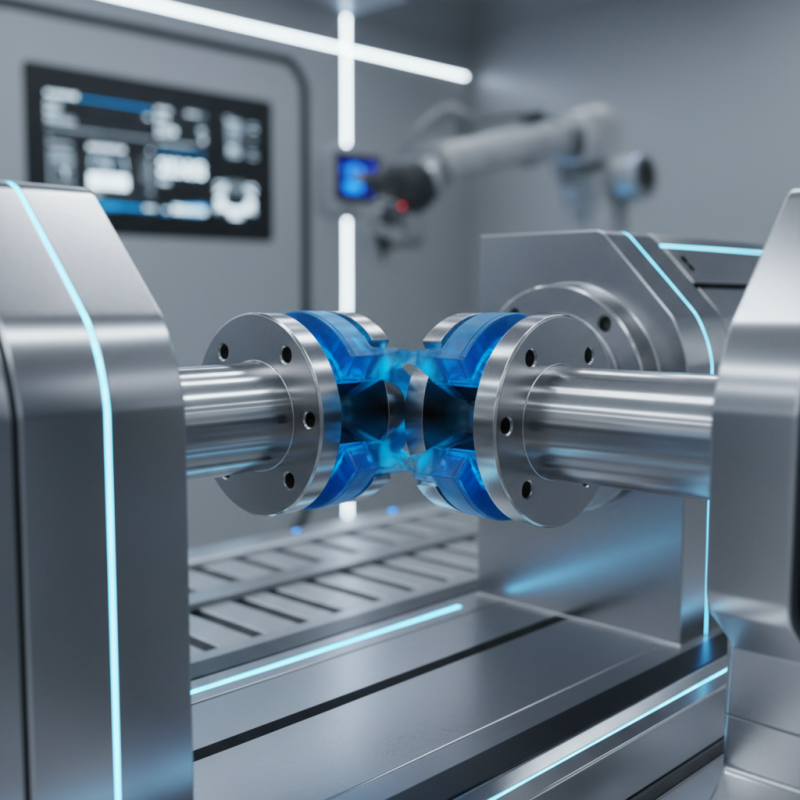
Spider coupling is a unique mechanical component used in various industrial applications. It serves as a connection between shafts in different machines. Its primary function is to transmit torque and reduce vibrations. A spider coupling consists of two hubs that fit onto the shafts and a flexible central element that can absorb shocks. This design allows for minor misalignments between shafts.
In 2026, the demand for spider couplings has risen steadily. A recent industry report indicates that the global market for flexible couplings is projected to grow at a compound annual growth rate (CAGR) of 6.7%. This growth is driven by increased automation in manufacturing and energy sectors.
However, concerns about the durability and lifespan of spider couplings persist. Some users report that material fatigue can lead to premature failures.
Failure rates in certain environments highlight the need for careful selection and maintenance. 27% of reported issues stem from improper installation. Choosing the right material can mitigate some challenges but requires careful consideration. Moreover, as industries evolve, spider couplings must adapt to new technologies and demands. Meeting these needs poses a challenge for manufacturers and users alike.
The Mechanism Behind Spider Coupling: How it Functions
Spider coupling is an advanced technology that connects rotating components in machinery. It relies on a unique mechanism that allows for flexibility while maintaining efficient power transmission. In 2026, industries are increasingly adopting this coupling for its significant benefits. It minimizes vibration and shock, which can lead to lower maintenance costs. Data from industry reports indicate a 15% reduction in equipment failures when spider couplings are used.
The mechanism behind spider coupling includes a flexible elastomeric element, often resembling a spider in shape. This element absorbs shock and compensates for misalignments during operation. Studies show that up to 80% of rotating machinery experiences some level of misalignment. The spider coupling’s design enables it to tolerate these misalignments effectively. However, some users report difficulty in installation and alignment, which might cause performance issues if not addressed properly.
In practical applications, spider couplings can be utilized across various industries, from automotive to manufacturing. They enhance efficiency by ensuring that energy loss due to vibration is minimized. In fact, the efficiency improvement can reach up to 20% in specific setups. Yet, it’s crucial to note that improper selection or installation can lead to performance degradation. Understanding the specific requirements of the machinery is essential for optimal use.
What is Spider Coupling and How Does It Work in 2026? - The Mechanism Behind Spider Coupling: How it Functions
| Feature | Description | Application | Advantages |
| Flexibility | Allows for misalignment between shafts. | Used in industrial machinery. | Reduces shock loads and vibration. |
| Material | Typically made from rubber or polyurethane. | Applicable in motors and generators. | High durability and resistance to wear. |
| Torque Capacity | Supports a wide range of torque values. | Used in automotive and aerospace applications. | Enhanced performance in demanding environments. |
| Design | Compact and lightweight structure. | Popular in robotics and automation. | Easy installation and maintenance. |
| Temperature Resistance | Operates effectively in varied temperatures. | Useful in HVAC systems. | Long lifespan under thermal stress. |
Applications of Spider Coupling in Various Industries
In 2026, spider coupling finds its applications across various industries. This technology enhances transmission efficiency and reliability in mechanical systems. In the automotive sector, spider couplings help connect shafts in electric vehicles. A report by Global Market Insights predicts a 9% CAGR in this market. Resistant to shock loads, they offer a seamless power transfer.
In the industrial machinery sector, durability matters. Here, spider couplings reduce vibration and wear in production lines. According to a study by Engineering263, maintenance costs drop by 15% when using these couplings. That’s a significant impact. Yet, challenges remain. The initial installation can be complex, requiring specialized knowledge.
Oil and gas industries also utilize spider coupling for its robust performance in harsh environments. They withstand extreme temperatures and pressures, helping maintain operational efficiency. However, manufacturers must balance performance and cost. The sweet spot can be difficult to find. The growth is impressive, but the technology needs continuous innovation to remain competitive.
Advantages of Using Spider Coupling in Mechanical Systems
Spider coupling is an innovative solution in mechanical systems. Its design consists of two hubs connected by a central spider element. This configuration allows for various advantages that appeal to engineers and technicians alike.
One significant benefit of using spider coupling is the flexibility it provides. This system can accommodate angular misalignments without causing wear. This feature is crucial for maintaining the longevity of machinery. Additionally, spider couplings can dampen vibrations effectively. By reducing the shock loads transmitted through the system, they help in maintaining operational stability.
Moreover, maintenance is simplified with spider couplings. They can be easily installed and removed without special tools. However, there can be challenges. For instance, the material of the spider might wear out faster in harsh environments. Regular checks are needed to ensure optimal performance. Balancing flexibility and durability remains a topic for ongoing discussion in engineering circles.
Future Trends and Innovations in Spider Coupling Technology in 2026
In 2026, spider coupling technology is set to advance significantly. This innovation enhances flexibility and power transmission efficiency in various applications. A recent industry report estimates a 30% increase in demand for flexible coupling solutions by 2026. This trend reflects the ongoing push for more adaptable engineering solutions.
Manufacturers are innovating materials and designs. New composites offer better durability and lower weight. These innovations may also minimize downtime during maintenance. However, adapting to these changes may be challenging. Companies must invest in staff training and process adjustments. The shift could lead to temporary operational hiccups, creating a need for careful planning.
Tips: Always assess compatibility before adopting new technology. Evaluate your current systems and see how new spider couplings integrate. Don’t overlook the importance of training your workforce. Knowledge gaps could hinder your transition to advanced technologies. Regularly reviewing your technology can keep you ahead of the curve. Embrace the evolution but remain cautious about its implementation.
Spider Coupling Market Trends in 2026
The bar chart above represents key metrics for Spider Coupling technology in 2026, highlighting efficiency, durability, cost per unit, market growth, and innovation rate. These metrics indicate significant advancements and trends in the sector.





