How to Source High Quality Metal Machined Parts Effectively?
Sourcing high quality Metal Machined Parts is a crucial process for many industries. The demand for precision and durability in these components is ever-increasing. Poorly sourced parts can lead to product failures and costly delays. This reinforces the need for meticulous sourcing strategies.
Experience in choosing suppliers greatly influences the quality of the parts. High standards must be set for manufacturers. An in-depth assessment of their capabilities and technologies is essential. Reliability should not only be expected but also verified through audits and quality checks.
Understanding material properties and machining techniques is equally important. Knowing the right specifications ensures compatibility and performance. However, many fail to consider these factors critically. Reflecting on past sourcing challenges will enhance future decisions. Prioritizing transparency in communication is vital. Collaboration with suppliers fosters better outcomes for metal machined parts.
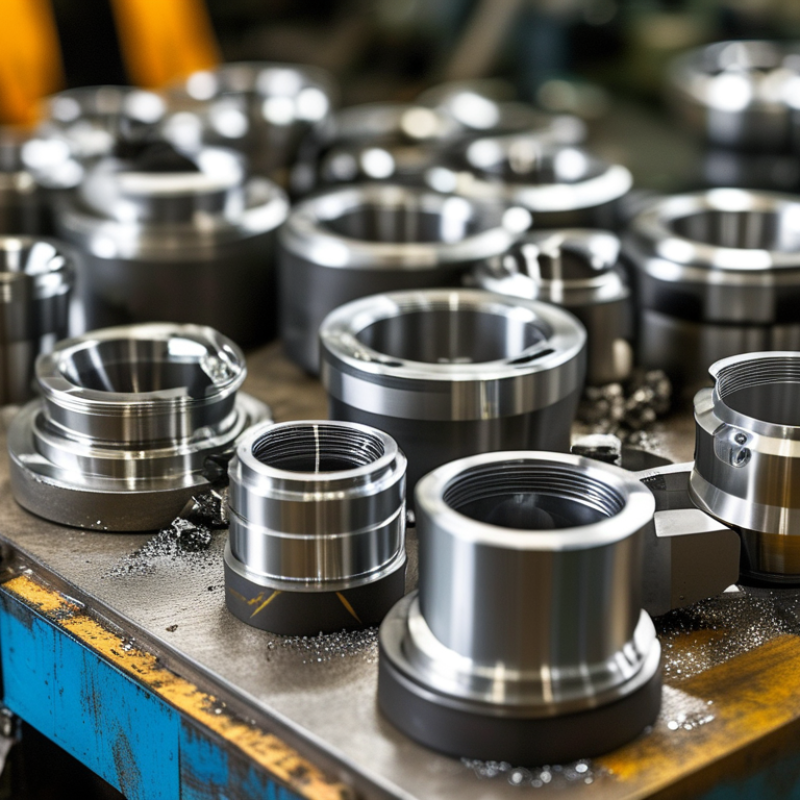
Identifying Key Requirements for Metal Machined Parts Sourcing
When sourcing metal machined parts, identifying key requirements is crucial. According to a recent industry report, companies that understand their specifications can reduce costs by 30%. Clarity on dimensions, tolerances, and material types ensures suppliers meet expectations. It is essential to create detailed documentation of these requirements. A lack of clarity can lead to production delays and increased scrap rates.
Quality control practices are another vital element of the sourcing process. The report indicates that 25% of manufacturers face issues due to inadequate quality checks. Establishing inspection protocols can mitigate these risks. Engage suppliers by discussing their quality assurance processes. This two-way communication fosters trust and improves outcomes.
Lastly, consider the supplier's capability and experience. A supplier with ISO certifications likely adheres to higher manufacturing standards. However, be cautious; not all certifications translate to consistent quality. Regular audits could reveal discrepancies that certifications might miss. Prioritize suppliers with a proven track record in your industry. Aim for a partnership rather than a transactional relationship for better long-term success.
Quality Assessment of Metal Machined Parts
Evaluating Potential Suppliers for Quality Assurance
Evaluating potential suppliers for high-quality metal machined parts is crucial. A rigorous assessment can prevent costly mistakes. Start by reviewing their certifications. Look for ISO standards or other relevant quality management systems. These certifications show a commitment to quality processes.
Next, consider their experience in the industry. Suppliers with years of expertise often understand nuanced requirements. They can provide valuable insights into material selection and machining techniques. Check for client testimonials, but also look for any negative feedback. This can highlight potential red flags.
A visit to the supplier's facility can be enlightening. Observe their machinery and production processes firsthand. Are they using modern equipment? Are employees knowledgeable? Such details can shine a light on their operational efficiency. Engaging in conversations with their team can reveal their dedication to quality and continuous improvement.
Understanding Material Specifications for Optimal Performance
Material specifications play a crucial role in sourcing high-quality metal machined parts. Understanding the characteristics of different materials can guide manufacturers in selecting the best options for their projects. For instance, stainless steel is known for its corrosion resistance, making it suitable for outdoor applications. Aluminum, on the other hand, offers a lightweight alternative with good machinability. Each material has its unique strengths and weaknesses that can significantly affect the end product's performance.
When evaluating material specifications, it's essential to consider factors such as mechanical properties, thermal conductivity, and cost. A part made from low-cost material may save money upfront but could lead to failures in performance or durability later. Reflect on what trade-offs are acceptable for your project. Are you willing to compromise on strength for cost?
Pay attention to industry standards as well. They provide guidelines for material selection that can enhance reliability. Many suppliers conform to these standards, ensuring a level of quality. Assess your supplier's commitments to maintain compliance. Choose those with a reputation for quality assurance. This can ensure that the parts you receive meet your performance expectations and industry requirements.
How to Source High Quality Metal Machined Parts Effectively? - Understanding Material Specifications for Optimal Performance
| Material Type | Tensile Strength (MPa) | Hardness (HRC) | Machinability Rating | Applications |
| Aluminum 6061 | 310 | 95 | 70 | Aerospace, Automotive |
| Stainless Steel 304 | 515 | 45 | 60 | Food Processing, Medical |
| Carbon Steel A36 | 400 | 60 | 50 | Construction, Heavy Machinery |
| Titanium Ti-6Al-4V | 900 | 36 | 40 | Aerospace, Medical Implants |
| Brass C36000 | 350 | 70 | 90 | Plumbing, Electrical |
Implementing Quality Control Measures in the Sourcing Process
Implementing quality control measures in the sourcing process for metal machined parts is crucial. A well-structured approach ensures that the final products meet necessary specifications. Start by clearly defining your quality standards. This includes dimensional tolerances and surface finish requirements. Failure to communicate these details can lead to variations that impact functionality.
Regular audits of suppliers are essential. This practice helps identify potential issues early. An auditor should check the production processes and quality assurance protocols. Suppliers must demonstrate their ability to consistently produce parts that meet established standards. Consider using third-party inspectors to gain an unbiased view of the supplier’s capabilities.
Documentation should accompany each stage of production. Quality records serve as a reference to verify compliance with standards. Any discrepancies should prompt immediate investigation. It's important to reflect on past sourcing experiences. Learning from mistakes can enhance the effectiveness of future sourcing strategies. This ongoing process builds confidence in the quality of the parts sourced.
Building Long-term Relationships with Reliable Manufacturers
Building long-term relationships with reliable manufacturers is essential when sourcing high-quality metal machined parts. Start by identifying potential suppliers with a solid track record. Check their reputation through industry forums and reviews. Look for manufacturers with years of experience in your required materials and processes. Their expertise can significantly impact the quality of your parts.
Communication is crucial in establishing a strong partnership. Discuss your specific needs and expectations openly. A responsive manufacturer will show a willingness to adapt and improve. Be mindful of their production capabilities and any limitations. Understanding these factors can help you avoid future frustrations and delays.
Regular visits to the manufacturing site can also enhance the relationship. Observing operations firsthand allows you to assess the quality control processes in place. Building trust takes time, and it’s essential to be patient. Errors and misunderstandings may arise, so being flexible and ready to address issues collaboratively is vital. This approach encourages a more reliable partnership over time.





