2026 How to Source Cold Rolled Coil for Your Business?
In the competitive landscape of manufacturing, sourcing cold rolled coil effectively is critical. Michael Anderson, a renowned expert in the flat steel industry, states, "Reliable sourcing of cold rolled coil can define your supply chain success." This highlights the importance of choosing the right suppliers.
Sourcing cold rolled coil requires understanding your specific needs. Consider factors like thickness, width, and surface finish. These specifications directly impact your product quality. Regularly assessing supplier capabilities is vital. The right partner not only provides quality materials but also understands market trends.
Research is essential in this process. Not all suppliers offer the same reliability or consistency. Engaging with industry experts can provide valuable insights. Moreover, a reflective approach will help avoid common pitfalls in sourcing. Balancing cost and quality is often a challenging task, yet it's necessary for long-term success in your business.
Understanding Cold Rolled Coil: Definition and Applications
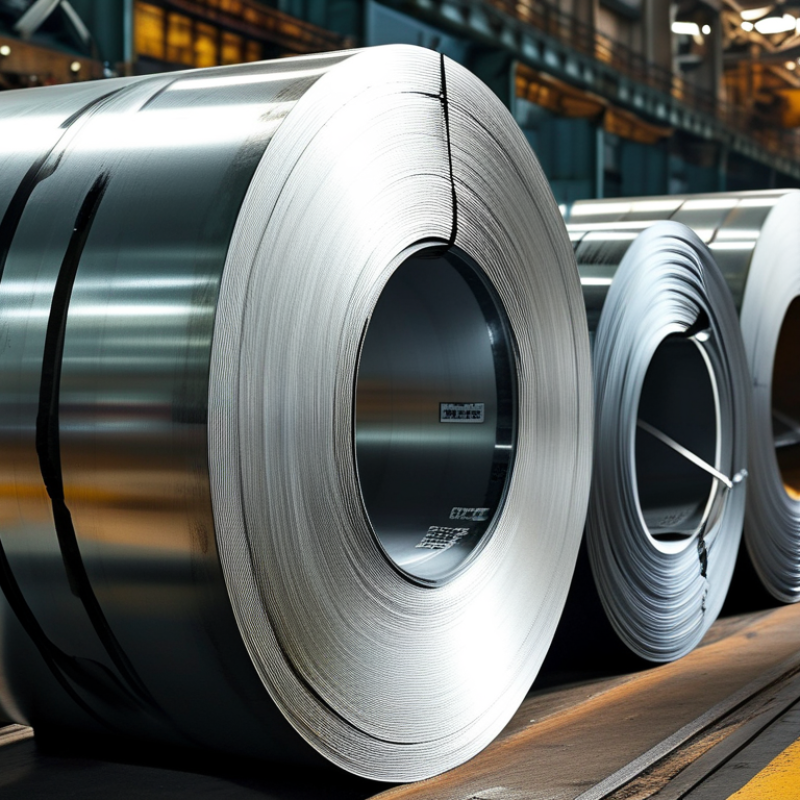
Cold rolled coil is a type of steel that undergoes a specific manufacturing process. This method allows for thinner, stronger products with improved surface quality. The cold rolling technique involves passing the steel through rollers at a low temperature. This results in enhanced dimensional accuracy and a smoother finish.
Applications for cold rolled coil are vast and varied. Industries such as automotive, construction, and appliances frequently utilize this material. In the automotive sector, cold rolled coils are used for body panels and frames due to their durability. In construction, the material can be found in structural components and roofing. Its versatility makes it a preferred choice for many manufacturers.
However, sourcing cold rolled coil is not always straightforward. Finding reliable suppliers can be a challenge. Businesses must consider factors such as pricing, lead times, and quality assurance. Some suppliers may prioritize cost over quality, leading to potential issues down the line. It's essential to vet suppliers thoroughly and ensure they meet industry standards. This process requires time and effort but is crucial for long-term success.
Identifying Your Business Needs for Cold Rolled Coil Sourcing
Identifying your business needs for sourcing cold rolled coil is crucial. Begin by assessing the specifications required for your projects. Consider thickness, width, and steel grade. Different applications demand various types of cold rolled steel. For example, automotive components might require higher tensile strength. Hence, a thorough understanding of these needs is essential.
According to industry reports, the global cold rolled steel market is projected to grow at a CAGR of 4.5% from 2021 to 2026. This reflects increasing demand across various sectors, including construction and manufacturing. Gathering reliable data helps in making informed sourcing decisions. An expert consultation can also aid in pinpointing the necessary specifications for materials relevant to your business.
It’s equally important to evaluate potential suppliers. Reliability and consistency are key factors. Many businesses overlook the importance of long-term relationships with suppliers. Some may even prioritize cost over quality. This can lead to issues down the line, such as production delays or inferior products. Keep in mind that a thorough evaluation process can save time and money in the long run.
2026 How to Source Cold Rolled Coil for Your Business? - Identifying Your Business Needs for Cold Rolled Coil Sourcing
| Attribute | Details |
| Thickness Range | 0.4 mm to 3.0 mm |
| Width Options | 1000 mm to 2000 mm |
| Surface Finish | Pickled, Oiled, Mill Finish |
| Standard Specifications | ASTM A1008, JIS G3141 |
| Applications | Automotive, Construction, Appliances |
| Average Cost per Ton | $600 - $800 |
| Lead Time | 4 to 8 weeks |
| Minimum Order Quantity | 25 tons |
Researching Reliable Suppliers for Cold Rolled Coil
When sourcing cold rolled coil for your business, identifying reliable suppliers is essential. The global cold rolled steel market is projected to reach $550 billion by 2026, highlighting the growing demand. Finding trustworthy manufacturers requires thorough research. Start by examining industry reports, which indicate that quality and consistency are paramount. A supplier's track record and certifications can provide insights into their reliability.
Tips for evaluating suppliers: Request samples to assess material quality. Check for ISO certifications, which ensure adherence to quality management standards. Engage with industry forums, as they can provide recommendations based on actual experiences. Pricing is important, but do not sacrifice quality for cost. A cheap supplier may lead to expensive issues down the line.
Beware of overly enthusiastic claims. Some suppliers may exaggerate capabilities. Research their client base. Reputable suppliers often have extensive experience with diverse clients. Digital platforms, like LinkedIn, can offer glimpses of their reputation. Conducting due diligence is vital; an unreliable supplier can impact your business negatively, both financially and in terms of reputation.
Evaluating Price and Quality Factors in Cold Rolled Coil Procurement
When sourcing cold rolled coil for your business, assessing price and quality is vital. Begin by comparing prices from multiple suppliers. This will help you gauge the market rate. Be cautious, as the lowest price doesn't always guarantee high quality. Understanding the material's specifications is essential. Different grades may offer varying levels of thickness, finish, and tensile strength. Research these factors before placing orders.
Quality assessment goes beyond price. Request samples from potential suppliers. Evaluate the coil's surface finish and dimensional accuracy. Look for defects or irregularities. These flaws can impact your end products. Quality certifications can also provide confidence. Verify if the suppliers adhere to industry standards. They should have a track record of reliability.
Navigating the procurement process requires reflection. While a supplier might have competitive pricing, gauge their customer service as well. Proper communication can prevent costly errors. Consider long-term relationships with suppliers who prioritize quality. Finding the right balance between price and quality may take time, but it is a worthwhile investment.
Establishing Long-term Relationships with Cold Rolled Coil Suppliers
Establishing long-term relationships with cold rolled coil suppliers is vital. Trust forms the foundation. Begin by carefully selecting your suppliers. Research their reputation in the industry. Use online reviews and feedback from other businesses. This ensures you partner with reliable firms.
Communication is key. Regularly discuss your needs and any potential issues. Make sure your suppliers understand your production goals. This synergy often leads to favorable pricing and priority during high-demand periods. Visit their facilities when possible. Face-to-face interactions build stronger bonds and increase transparency.
Always be open to constructive feedback. No relationship is perfect. If problems arise, address them promptly. Discuss how both sides can improve. Flexibility in negotiations can result in better contracts. Remember, cultivating a positive relationship is a continuous effort.





