What is a Solidification Conveyor Belt and Its Benefits?
In the manufacturing sector, the "Solidification Conveyor Belt" is essential for improving efficiency and safety. According to a 2022 report by the Conveyor Equipment Manufacturers Association, solidification systems have reduced production time by 30% in various industries. Expert John F. Parker, a leading authority on industrial automation, states, "Solidification Conveyor Belts streamline processes and enhance product quality."
The design of these conveyor belts allows for temperature regulation, which is vital in processes that require solidification, such as in food processing or metal casting. Companies utilizing solidification technologies have observed a significant reduction in waste and increased throughput. However, achieving optimal performance requires regular maintenance and calibration.
Furthermore, the adaptation of solidification systems presents challenges. Organizations must be mindful of implementing new technologies and training personnel. Transitioning to a solidification conveyor belt system can bring immediate benefits, but it also requires upfront investment and careful planning. Continuous innovation is critical to stay competitive in today's market.
What is a Solidification Conveyor Belt and Its Purpose in Industry?
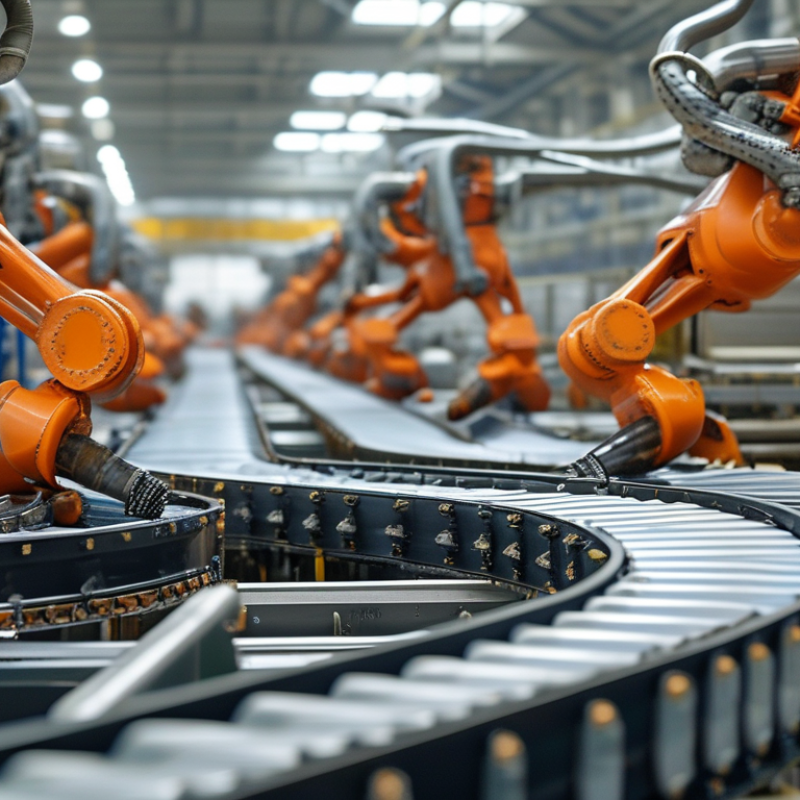
A solidification conveyor belt plays a vital role in various industries. Its primary purpose is to aid in the cooling and hardening of materials, such as molten metal or plastics. This belt system efficiently transports components through a controlled environment, allowing them to solidify uniformly. It is often used in the manufacturing of automotive parts, construction materials, and consumer goods. By ensuring that materials cool correctly, manufacturers can achieve desirable qualities in their products.
The advantages of solidification conveyor belts are notable. They enhance production efficiency and minimize waste. Additionally, these belts reduce the risk of defects in the final product by promoting even cooling. However, implementing such systems requires careful planning and expertise. An inadequate setup can lead to uneven solidification and compromised product quality. It's essential for engineers to consider factors like temperature control and material flow. The success of a solidification conveyor belt hinges on attention to these details, highlighting the importance of expertise in design and installation.
What is a Solidification Conveyor Belt and Its Benefits?
| Feature | Description | Benefits |
| Temperature Control | Maintains specific temperatures for material solidification. | Enhances quality and consistency of solidified products. |
| Material Compatibility | Suitable for various materials like metals, polymers, and food products. | Versatility in use across multiple industries. |
| Automation | Can be integrated with automated systems for continuous flow. | Increases efficiency and reduces labor costs. |
| Safety Features | Equipped with safety systems to mitigate risks. | Protects workers and minimizes accidents during operation. |
| Space Efficiency | Compact design allows for installation in limited spaces. | Optimizes factory layout and enhances productivity. |
Key Components of a Solidification Conveyor Belt System
A solidification conveyor belt system is crucial in industries such as food processing and recycling. Its design incorporates several key components that enhance efficiency. The primary element is the belt itself, which typically consists of durable materials that withstand high temperatures and heavy loads. Studies have shown that solidification conveyor belts can reduce product cooling times by up to 30%, significantly boosting overall production rates.
Another vital component is the cooling mechanism. This system often integrates water or air cooling to maintain optimal temperatures. For instance, a 2022 industry report indicated that companies using advanced cooling techniques experienced a 15% decrease in energy consumption. Additionally, the alignment and tensioning systems play a critical role in ensuring consistent operation. Any misalignment can result in increased wear and potential system failures.
Lastly, the control system must not be overlooked. It allows for real-time monitoring, which is essential for maintaining the quality of solidified products. Reports indicate that real-time monitoring can lead to an 18% reduction in material waste. However, reliance on technology raises concerns about reliance and troubleshooting capabilities. Regular training and maintenance are necessary to address these challenges effectively.
Benefits of Using Solidification Conveyor Belts in Manufacturing Processes
Solidification conveyor belts play a critical role in manufacturing processes. They transport materials that require cooling or solidifying during production. These belts are commonly used in industries like food processing, metal casting, and plastic production. The use of a solidification conveyor belt helps maintain the desired temperatures while efficiently moving products through various stages.
One significant benefit of these belts is increased production efficiency. They ensure that products cool down uniformly, reducing the risk of defects. A properly designed belt system can move items quickly without compromising quality. Moreover, these conveyor systems can be custom-built to fit specific manufacturing needs, enhancing overall workflow. Companies can adapt the belt speed to the cooling requirements of different materials, improving resource utilization.
However, implementing solidification conveyor belts isn't without challenges. Maintenance can be demanding as wear and tear occur over time. Regular checks are essential to avoid breakdowns. In some cases, the initial investment can also be high. Businesses must carefully assess their needs and weigh the long-term benefits against these challenges. The decision to use solidification conveyor belts should consider both efficiency and reliability in manufacturing.
Benefits of Solidification Conveyor Belts in Manufacturing Processes
Industry Applications and Case Studies of Solidification Conveyor Belts
Solidification conveyor belts are essential in various industries. They help material solidify effectively as they transport products. The food industry utilizes these belts to cool chocolate or confections. They allow for controlled solidification, ensuring a uniform product. Proper temperature regulation is crucial to achieve desirable textures and prevent defects.
In the metalworking sector, solidification conveyor belts play a vital role. They help in cooling molten metals efficiently. This process prevents warping and ensures uniform strength. Case studies show improved production rates when using these systems. For instance, one manufacturer saw a 25% increase in output while reducing waste. However, the initial setup requires careful planning to avoid inefficiencies.
Adopting solidification conveyor belts can also lead to sustainability improvements. They minimize energy use by optimizing cooling processes. Yet, not every application benefits equally. Some industries may face challenges in integration. Thus, thorough analysis is necessary before implementation. Each industry’s needs are unique, highlighting the importance of tailored solutions in conveyor belt design.
Performance Metrics and Efficiency Gains from Solidification Conveyor Belts
Solidification conveyor belts play a crucial role in various industrial processes. They efficiently transport materials that undergo phase changes. These conveyors ensure uniform cooling or solidifying of products, enhancing production consistency. A solidification conveyor belt often operates in harsh environments. This demands durability and reliability, which impacts overall system efficiency.
Performance metrics for solidification conveyor belts include speed, load capacity, and temperature control. Higher efficiency is achieved through optimized design and material selection. Operators often report reduced downtime and fewer maintenance issues when using advanced conveyor systems. In some cases, these belts can improve product quality by ensuring even solidification.
Pay attention to the installation process. Proper alignment can significantly affect performance. Regular inspections help identify issues early. Adjustments should be made to ensure optimal operating conditions. Monitoring temperature and load can prevent potential problems. Continuously improving these areas can lead to better efficiency gains.





